Best Heat Pump Specialists in Taupo
Published 24 February 2025 · Updated 30 June 2026
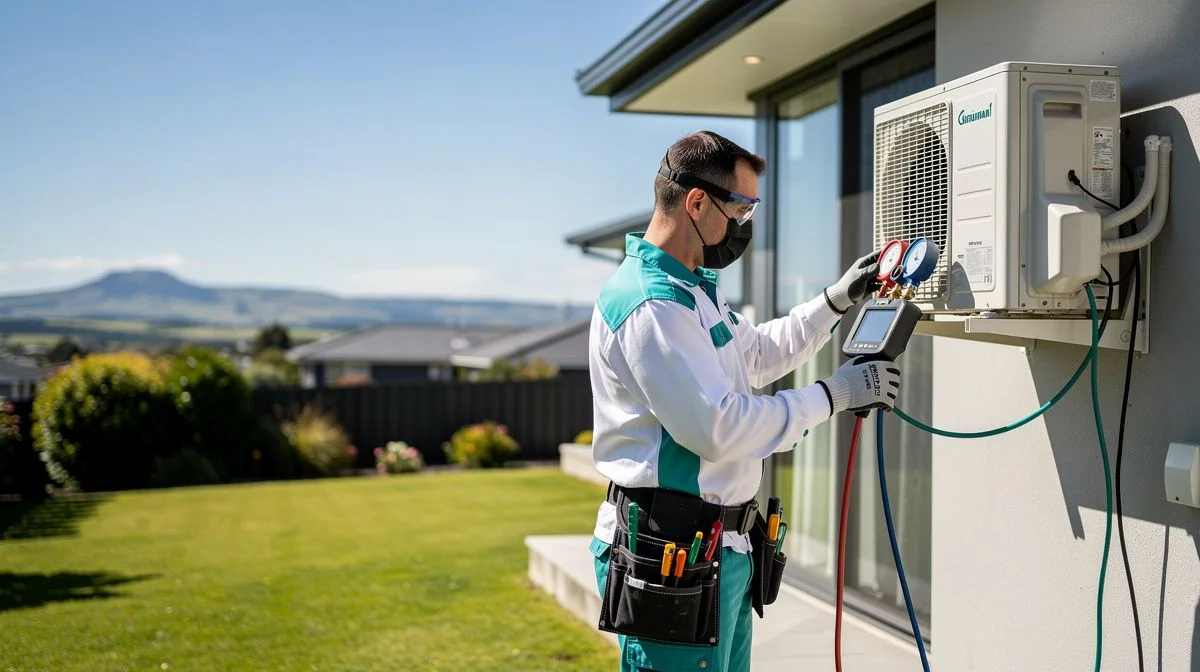
Finding the Best Heat Pump Specialists in Taupo
Taupo’s climate can be a mixed bag – chilly winters and warm summers mean a quality heat pump is more than just a luxury. Whether you’re looking to stay cosy through the frosty mornings or keep cool during the lake-side heat, hiring the right specialist is key. With plenty of installers in the Waikato region, it pays to know what separates a great job from a mediocre one. This guide will help you find a trusted heat pump specialist in Taupo who understands local conditions and delivers lasting comfort.
What to Look for When Hiring a Heat Pump Specialist in Taupo
Choosing someone to install your heat pump isn’t a decision to rush. A poor installation can lead to higher power bills, uneven heating, or even early breakdowns. Here’s what to check before you commit.
Licensing and Certifications
In New Zealand, any electrical work must be done by a licensed electrician. Your heat pump installer should hold a current Electrical Service Technician (EST) licence or work with a registered electrician. Also look for membership in the Institute of Refrigeration, Heating and Air Conditioning Engineers (IRHACE) – it shows they take professional standards seriously. Ask for proof and don’t be shy about checking with the Electrical Workers Registration Board if you’re unsure.
Local Experience
Taupo has its own quirks – geothermal areas, lakeside humidity, and frost-prone microclimates. A local specialist knows which units handle these conditions best and can recommend models that won’t struggle. Ask how many jobs they’ve done in the Taupo area specifically.
Warranty and After-Sales Support
Most major heat pump brands come with a manufacturer’s warranty (typically five to seven years on parts). But you also want a workmanship warranty from the installer – usually one to two years. Make sure they’ll be around to fix any issues, not just disappear after the job. Ask what happens if something goes wrong in the first year.
Insurance
Installers should have public liability insurance and current health and safety policies. If something gets damaged during installation – say, a roof tile or a wall – you want cover. Ask for a copy of their insurance certificate.
Online Reviews and References
Check Google, Facebook, and local community pages for recent reviews. Look for comments about punctuality, cleanliness, and follow-up service. A good specialist will happily provide references from recent Taupo clients. Read those reviews carefully – a string of five-star ratings is encouraging, but pay attention to how they handle any negative feedback.
Key Questions to Ask Before Hiring
Once you’ve shortlisted a few specialists, have a chat. Ask these questions to separate the pros from the cowboys.
- What brand do you recommend and why? A good installer will explain their choice based on your home’s size, insulation, and your budget – not just the brand they get the best margin on.
- Do you do a Manual J load calculation? This is the proper way to size a heat pump. Guessing based on “a four-bedroom house usually needs a 6kW unit” can lead to oversizing or undersizing. The right specialist will measure your home.
- What’s included in the quoted price? Get a breakdown – unit cost, installation labour, electrical work, any structural changes (like cutting holes), disposal of old unit, and GST. Any hidden extras? Ask upfront.
- How long will the installation take? Most single-unit installations take one to two days. Multi-room systems can take longer. Clarify the timeline and what happens if it runs over.
- Can you provide a written contract? A proper contract should outline the scope of work, payment schedule, warranty details, and any guarantees. Never rely on a handshake.
- What happens if I need service later? Do they offer servicing or call-out support? Heat pumps need cleaning and checks every couple of years – ask if they can help with that.
- Are you familiar with Taupo District Council requirements? Some installations may need a building consent (especially if you’re altering the house structure). A specialist who knows local rules saves you headaches.
Tips for Getting the Best Results
Your heat pump will perform better and last longer if you do a few things right – starting before the installer even arrives.
Choose the Right Position
Think about where you want the indoor unit. High on a wall is standard, but avoid placing it above a bed, desk, or sofa – direct airflow can be uncomfortable. The outdoor unit needs good airflow too; don’t tuck it into a tight corner or under a deck. Your specialist can advise, but you can veto a spot you don’t like.
Check Your Insulation First
A heat pump works best in a well-insulated home. If your ceilings, walls, or floors are lacking insulation, you’ll lose heat (or cool air) quickly and your power bills will spike. Consider topping up insulation before or at the same time as your heat pump install. It’s money well spent.
Get at Least Three Quotes
Don’t just go with the first specialist you call. Compare three written quotes for the same model and scope of work. The cheapest isn’t always the best – look for value, not just price. A slightly higher quote might include better warranty, more professional installation, or a more efficient unit.
Plan for Maintenance
Heat pumps need regular filter cleaning (every few months) and a professional service every one to two years. Ask your installer to show you how to access and clean the filters. Some specialists offer maintenance plans – worth considering for peace of mind.
Understand Your Controller
After installation, make sure the specialist walks you through the remote or wall controller. Learn how to set timers, temperature modes, and the “dry” or “fan” settings. A well-programmed heat pump can save you a lot of power over winter.
A Note About Costs and Getting Quotes
Heat pump prices vary widely depending on the brand, size, and complexity of installation. In the Taupo region, you might expect to pay anywhere from around $2,500 to $5,000 for a standard single-room install, with high-end multi-head systems costing significantly more. These are ballpark figures – your actual cost depends on factors like access (upstairs rooms), electrical work needed, and whether you need consent from the council.
Always get quotes in writing. A reliable specialist will provide a fixed price after a site visit – not just a rough estimate over the phone. Beware of anyone who quotes without seeing your home. And remember: the cheapest quote could miss important steps like proper drainage, electrical upgrades, or disposal fees. Ask each specialist to explain their pricing so you can compare apples with apples.
Some homeowners consider DIY installation to save money. In New Zealand, that’s not an option – heat pumps involve electrical and refrigerant work that legally must be done by a qualified professional. Cutting corners can void warranties, damage your home, and even create safety risks. Stick with a licensed specialist and you’ll enjoy reliable comfort for years to come.

The ValueHub Team built this site because finding clear, unbiased financial information in New Zealand was harder than it should be. Every guide is based on real research — we compare the actual fees, terms, and fine print so you don't have to. Our tip: shop around every year, read the policy docs, and never assume loyalty gets you the best deal.— The ValueHub Team
Try our Calculators
Use these free tools to crunch the numbers:
PAYE Calculator
Calculate your take-home pay after PAYE tax, ACC, KiwiSaver, and student loan deductions.
Compound Interest Calculator
See how your savings grow with compound interest over time. Free NZ compound interest calculator with yearly, monthly, and weekly compounding options.
Mortgage Repayment Calculator
Calculate your weekly, fortnightly, or monthly mortgage repayments. Free NZ mortgage calculator — try different rates, terms, and repayment frequencies.
Term Deposit Calculator
Calculate your term deposit returns before you lock in. Compare interest earned across different terms and rates with ValueHub's free calculator.
Savings Goal Calculator
Calculate how long it will take to reach your savings goal — and what monthly deposit you need to get there. Free NZ savings planner.
Credit Card Repayment Calculator
See how long it really takes to pay off your credit card — and how much interest you could save by paying more each month. Free NZ calculator.
Heat Pump Specialists in Other Cities
Best Heat Pump Specialists in Auckland
Best Heat Pump Specialists in Wellington
Best Heat Pump Specialists in Christchurch
Best Heat Pump Specialists in Hamilton
Best Heat Pump Specialists in Tauranga
Best Heat Pump Specialists in Dunedin
Latest Guides & Reviews
US Dollar to NZD: A Practical Guide for Kiwis
Compare the true cost of buying USD in NZ. We reveal the fees, margins, and hidden charges banks, Wise, and airport desks add to every US dollar transfer.
reviewUnderstanding NZ Council Rates
Follow a single rates dollar from your bank account to see where it really goes and how councils set your bill.
comparisonBest Gold and Platinum Credit Cards in New Zealand
Best gold and platinum credit cards in NZ compared: when a $150 annual fee pays for itself through travel insurance and perks.
guideBest Investment Managers in New Zealand
Compare Fisher Funds, Milford, and Pie Funds in this practical guide to vetting NZ investment managers before you trust them with your money.