Best Heat Pump Specialists in Whanganui
Published 24 February 2025 · Updated 18 August 2026
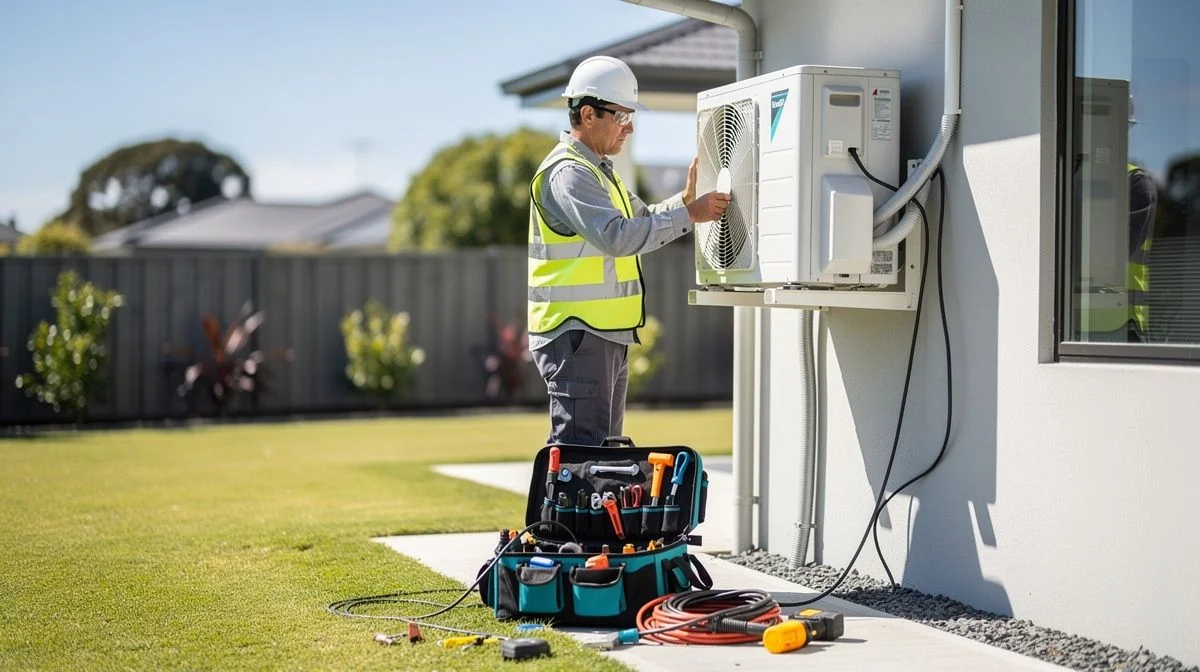
Finding the Right Heat Pump Specialist in Whanganui
Whanganui winters can bite. A good heat pump makes all the difference — keeping your home warm and dry without sending your power bill through the roof. But finding the right specialist to install it matters just as much as choosing the right unit.
Whether you live in a villa on Dublin Street, a newer home in Springvale, or a riverside property, the quality of your installation affects how well your heat pump performs. A poorly installed unit can cost you more to run and may not last as long.
Whanganui has a range of experienced heat pump specialists. The trick is knowing who to trust. This guide helps you sort the good from the great, so you end up with a setup that works for years.
What to Look for When Hiring a Heat Pump Specialist in Whanganui
Not every installer is the same. Here's what separates the professionals from the cowboys.
Local Experience
A specialist who knows Whanganui understands the local climate. They know which units handle humidity well and which models suit older homes with less insulation. Ask how long they've worked in the region.
Proper Licensing and Certification
Heat pump installation involves electrical and refrigerant work. In New Zealand, anyone handling refrigerants must hold a Certifying Handler Certificate under the Health and Safety at Work (Hazardous Substances) Regulations. Electrical work must be done by a licensed electrician. Check with your local council for current requirements, and always ask to see proof of certification before work starts.
Insurance and Warranty
A good specialist carries public liability insurance. They should also offer a warranty on both the equipment and their installation labour. If something goes wrong, you want to know you're covered.
Reputation and Reviews
Word of mouth matters in a smaller city like Whanganui. Ask neighbours or friends who they used. Check online reviews on platforms like Google and Facebook. Look for consistent positive feedback about punctuality, cleanliness, and follow-up service.
Range of Brands
Specialists who offer multiple brands can recommend the best unit for your home, not just whichever brand they stock. Common brands in New Zealand include Daikin, Mitsubishi Electric, Fujitsu, and Panasonic. A good installer will explain the pros and cons of each for your situation.
Key Questions to Ask Before Hiring
Before you commit, ask these questions. The answers tell you a lot about how professional a specialist really is.
- What size heat pump do I need for my room? — A good specialist will do a proper heat load calculation, not just guess. Too small and it struggles. Too big and it short-cycles, wasting energy.
- Can you provide a written quote? — Verbal quotes are risky. Always get a detailed written quote that lists the unit model, installation costs, and any extras like electrical work or consent fees.
- Will you handle the council consent if needed? — Some installations require building consent, especially if you're fitting a multi-head system or unit to a heritage home. A reliable specialist will advise you and handle the paperwork.
- Do you offer after-installation servicing? — Heat pumps need regular cleaning and maintenance. Ask if they offer service plans or can recommend someone who does.
- What's your timeline? — In winter, good installers get booked fast. Ask about lead times and whether they can work around your schedule.
- Can you provide references from recent Whanganui jobs? — Local references are gold. Ask for contact details of past customers, and actually call them.
Tips for Getting the Best Results
Your heat pump will only perform as well as the installation allows. Here's how to set yourself up for success.
Choose the Right Location
Where the indoor and outdoor units go makes a big difference. Indoor units work best mounted on an internal wall, away from direct sunlight and draughts. Outdoor units need good airflow and protection from prevailing winds. A good specialist will talk you through the options and explain the trade-offs.
Think About Insulation First
A heat pump works harder in a poorly insulated home. If your ceiling or underfloor insulation is old or missing, consider upgrading it before or at the same time as your heat pump installation. You'll get better results and lower running costs.
Get a Full Installation, Not a Cheap One
Beware of quotes that seem too good to be true. Cheap installations sometimes skip important steps — like proper pipe flushing, pressure testing, or using the right gauge wiring. Paying a fair price upfront saves money on repairs and higher power bills later.
Plan for the Off-Season
Whanganui's coldest months are June through August. That's when everyone wants a heat pump. If you can, book your installation in spring or autumn. You'll get better availability, and the installer can take more time to do a thorough job.
Keep the Outdoor Unit Clear
Once installed, make sure the outdoor unit has at least 30 centimetres of clearance on all sides. Trim back plants and keep leaves away. Good airflow keeps the unit running efficiently.
Costs and Getting Quotes
Heat pump prices in New Zealand vary widely depending on the brand, capacity, and complexity of the installation.
As a rough guide, a standard single-room heat pump installation typically costs between $2,500 and $4,500 including the unit and installation. Multi-room or ducted systems cost significantly more — often $8,000 to $15,000 or higher. Prices can vary based on the size of your home, the type of wall construction, and whether any electrical upgrades are needed.
Keep in mind that these are indicative ranges only. Actual costs depend on your specific situation. The best way to get an accurate picture is to ask for at least three written quotes from different specialists.
When comparing quotes, don't just look at the bottom line. Check what's included — does the price cover the unit, installation, electrical work, disposal of your old unit, and any consent fees? A cheaper quote may leave out important items that another quote includes.
Ask each specialist to visit your home before quoting. Reliable installers will want to see your space, check your switchboard, and discuss your needs in person. Quotes given over the phone or by email without a site visit are less likely to be accurate.
Remember that the cheapest quote isn't always the best value. A slightly more expensive job from a well-reviewed, certified specialist can save you headaches and money over the life of your heat pump.
If you're on a tight budget, ask about interest-free finance options or payment plans. Some specialists and retailers offer these through third-party providers.
Finally, keep your quotes and any correspondence. They form part of your contract and can help if any disputes arise later.
Taking the time to choose the right heat pump specialist in Whanganui means you'll stay warm and dry for years — without any

The ValueHub Team built this site because finding clear, unbiased financial information in New Zealand was harder than it should be. Every guide is based on real research — we compare the actual fees, terms, and fine print so you don't have to. Our tip: shop around every year, read the policy docs, and never assume loyalty gets you the best deal.— The ValueHub Team
Try our Calculators
Use these free tools to crunch the numbers:
KiwiSaver Fund Comparison
Compare fees, returns, and risk levels across every KiwiSaver fund from all 31 NZ providers.
Currency Converter — USD to NZD
Convert US Dollars to New Zealand Dollars instantly. See the latest exchange rate and 30-day trend.
Mortgage Repayment Calculator
Calculate your weekly, fortnightly, or monthly mortgage repayments. Free NZ mortgage calculator — try different rates, terms, and repayment frequencies.
Compound Interest Calculator
See how your savings grow with compound interest over time. Free NZ compound interest calculator with yearly, monthly, and weekly compounding options.
Term Deposit Calculator
Calculate your term deposit returns before you lock in. Compare interest earned across different terms and rates with ValueHub's free calculator.
Savings Goal Calculator
Calculate how long it will take to reach your savings goal — and what monthly deposit you need to get there. Free NZ savings planner.
Heat Pump Specialists in Other Cities
Latest Guides & Reviews
New Zealand Financial Markets Authority Guide: Investor Protection in NZ
Protect your investments with this practical guide to the FMA — how to check licences, spot scams, and what to do if a provider fails. Verified against...
comparisonEV Home Charger NZ: Costs & Buying Guide
Compare EV home charger costs in NZ — verified prices from $1,299, installation fees, smart features, and what actually matters for your home's power supply.
guideThe Most Popular EVs in New Zealand
The best-selling electric cars in New Zealand, ranked by official registration data. Top BEV and PHEV models and brands, updated monthly.
guideEV Market Stats
New Zealand's EV market in numbers — market share, fleet size, top-selling models and used imports, updated with the latest NZTA and MIA data.