Best House Painters in Blenheim
Published 27 February 2025 · Updated 30 June 2026
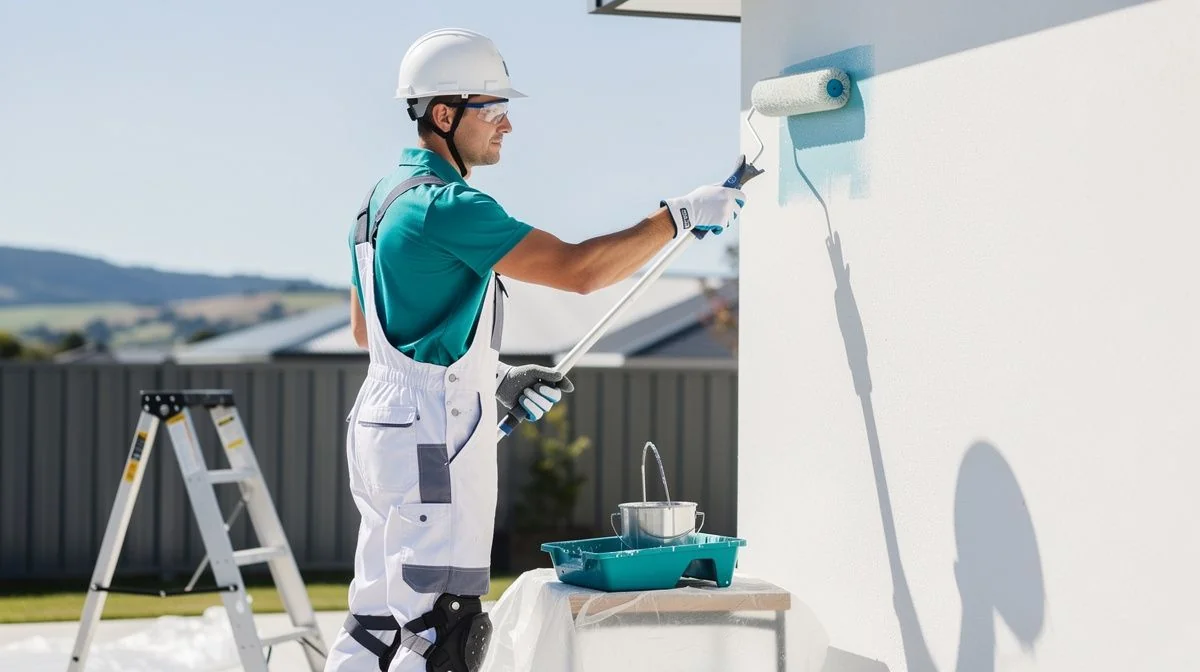
Best House Painters in Blenheim
Blenheim enjoys plenty of sunshine, but that Marlborough weather can still be tough on a home’s exterior. The combination of UV, salt-laden coastal breezes, and the occasional nor'wester can make paintwork fade, peel, or crack faster than you might expect. Whether you’re sprucing up a villa in the Arapuke area, weatherboard in Mayfield, or a modern build in Redwoodtown, finding the right house painter is a big decision.
You want someone who understands the local climate, uses quality products, and shows up when they say they will. This guide will help you sort through options and pick a painter you can trust.
What to look for when hiring a house painter in Blenheim
Not all painters are the same. Here’s what sets a great one apart from the rest.
Local experience and knowledge
A painter who works around Blenheim regularly knows which primers hold up best in our conditions and how to prep surfaces affected by salt air or high UV. They’ll also be familiar with common local cladding types – from cedar weatherboards to fibre cement and plaster finishes.
Proper licensing and insurance
In New Zealand, any painting work valued over $30,000 (including materials) requires a Licensed Building Practitioner (LBP) if it involves structural work. For general painting, there’s no mandatory licence, but a reputable painter will hold public liability insurance (at least $1 million cover) and have current Site Safe certification. Check with your local council for current requirements around building consent – some repainting projects may need it if you’re changing the exterior cladding system.
Clear written quotes
A reliable painter will provide a detailed quote that lists prep work, number of coats, paint brand and product names, surface areas, and a timeline. Avoid anyone who just gives a verbal price or refuses to itemise.
Warranty and guarantees
Most quality painters back their work with a 5–7 year warranty on exterior work and 2–5 years on interiors. Always get the warranty terms in writing.
Recent local references
Ask for examples of recent jobs in Blenheim, ideally on similar homes to yours. Follow up with past clients – especially about how the painter handled weather delays, clean-up, and after-service.
Key questions to ask before hiring
When you’re speaking with potential painters, these questions will separate the pros from the cowboys.
- How do you prep surfaces? – Prep is the most critical step. Look for answers that include pressure washing, scraping loose paint, sanding, filling cracks, and priming bare wood or metal.
- What paint brands and products do you use? – Premium brands like Resene, Dulux, or Wattyl are common. Ask why they prefer their chosen product for Blenheim conditions.
- Will you be on site every day, or do you supervise subcontractors? – Some painters use casual workers. You want a consistent team and someone accountable.
- How do you handle weather delays? – Exterior painting needs dry conditions and appropriate temperatures. A professional will have a clear policy on rescheduling without drama.
- Do you move furniture and protect gardens? – Good painters cover plants, paths, and lawns with drop cloths. They should also move or remove exterior fittings like light covers, numbers, and vent grilles.
- What happens if I’m not happy with a section of work? – A clear complaints process shows confidence in their workmanship.
Tips for getting the best results
A great paint job isn’t just about the painter – your decisions matter too.
Plan around the seasons
In Blenheim, the best exterior painting windows are spring (September–November) and autumn (March–May). Summers can be too hot, causing paint to dry too fast and blister. Winter can bring frost or damp that affects adhesion. Book in advance – good painters fill their diaries several months ahead.
Choose the right finish
For exterior walls, a low-sheen or satin finish hides imperfections while still being washable. Flat finishes are less durable outdoors. For interiors, eggshell or low-sheen is forgiving on walls, while semi-gloss works well for trims and kitchen areas.
Don’t skimp on preparation
Rushing prep leads to peeling within a couple of years. Make sure the quote includes proper cleaning, sanding, filling, and priming. It’s worth paying extra for this stage.
Communicate clearly about colour
Use a colour consultation service if you’re unsure. Test colours on a large board and view them at different times of day. Remember that Marlborough’s strong sunlight can make colours appear lighter, while shady areas make them look darker.
Check for existing lead paint
If your Blenheim home was built before 1980, there’s a good chance lead-based paint was used. Federal law doesn’t require a specific certification in NZ, but professional painters should follow safe work practices – wet sanding, careful containment, and proper disposal. Ask if they are trained in lead-safe techniques.
A note about costs and getting quotes
House painting costs in Blenheim vary depending on the size of your home, the condition of existing paint, the number of coats required, and access challenges (like scaffolding on steep sections).
For a typical single-storey three-bedroom house (around 120–150 square metres), you might see quotes ranging from roughly $5,000 to $10,000 for an exterior full repaint. Interior painting of a similar-sized home often falls between $3,000 and $7,000. These are only indicative – always get several written quotes tailored to your property.
When comparing quotes, don’t automatically pick the cheapest. A low price often means thinner coats, less prep, or cheaper paint that won’t last. Look for a painter who balances fair pricing with a detailed scope of work.
Ask for at least three quotes from painters who have inspected your home in person – quoting from photos alone is risky. A site visit allows the painter to note cracks, rot, or weathertightness issues that need addressing before painting.
Finally, remember that a quality paint job can last 10–15 years on exteriors (with proper maintenance) and 7–10 years inside. Spending a bit more upfront often saves money and hassle in the long run.

The ValueHub Team built this site because finding clear, unbiased financial information in New Zealand was harder than it should be. Every guide is based on real research — we compare the actual fees, terms, and fine print so you don't have to. Our tip: shop around every year, read the policy docs, and never assume loyalty gets you the best deal.— The ValueHub Team
Try our Calculators
Use these free tools to crunch the numbers:
PAYE Calculator
Calculate your take-home pay after PAYE tax, ACC, KiwiSaver, and student loan deductions.
Compound Interest Calculator
See how your savings grow with compound interest over time. Free NZ compound interest calculator with yearly, monthly, and weekly compounding options.
Mortgage Repayment Calculator
Calculate your weekly, fortnightly, or monthly mortgage repayments. Free NZ mortgage calculator — try different rates, terms, and repayment frequencies.
Term Deposit Calculator
Calculate your term deposit returns before you lock in. Compare interest earned across different terms and rates with ValueHub's free calculator.
Savings Goal Calculator
Calculate how long it will take to reach your savings goal — and what monthly deposit you need to get there. Free NZ savings planner.
Credit Card Repayment Calculator
See how long it really takes to pay off your credit card — and how much interest you could save by paying more each month. Free NZ calculator.
House Painters in Other Cities
Best House Painters in Auckland
Best House Painters in Wellington
Best House Painters in Christchurch
Best House Painters in Hamilton
Best House Painters in Tauranga
Best House Painters in Dunedin
Latest Guides & Reviews
US Dollar to NZD: A Practical Guide for Kiwis
Compare the true cost of buying USD in NZ. We reveal the fees, margins, and hidden charges banks, Wise, and airport desks add to every US dollar transfer.
reviewUnderstanding NZ Council Rates
Follow a single rates dollar from your bank account to see where it really goes and how councils set your bill.
comparisonBest Gold and Platinum Credit Cards in New Zealand
Best gold and platinum credit cards in NZ compared: when a $150 annual fee pays for itself through travel insurance and perks.
guideBest Investment Managers in New Zealand
Compare Fisher Funds, Milford, and Pie Funds in this practical guide to vetting NZ investment managers before you trust them with your money.