Best House Painters in Queenstown
Published 27 February 2025 · Updated 30 June 2026
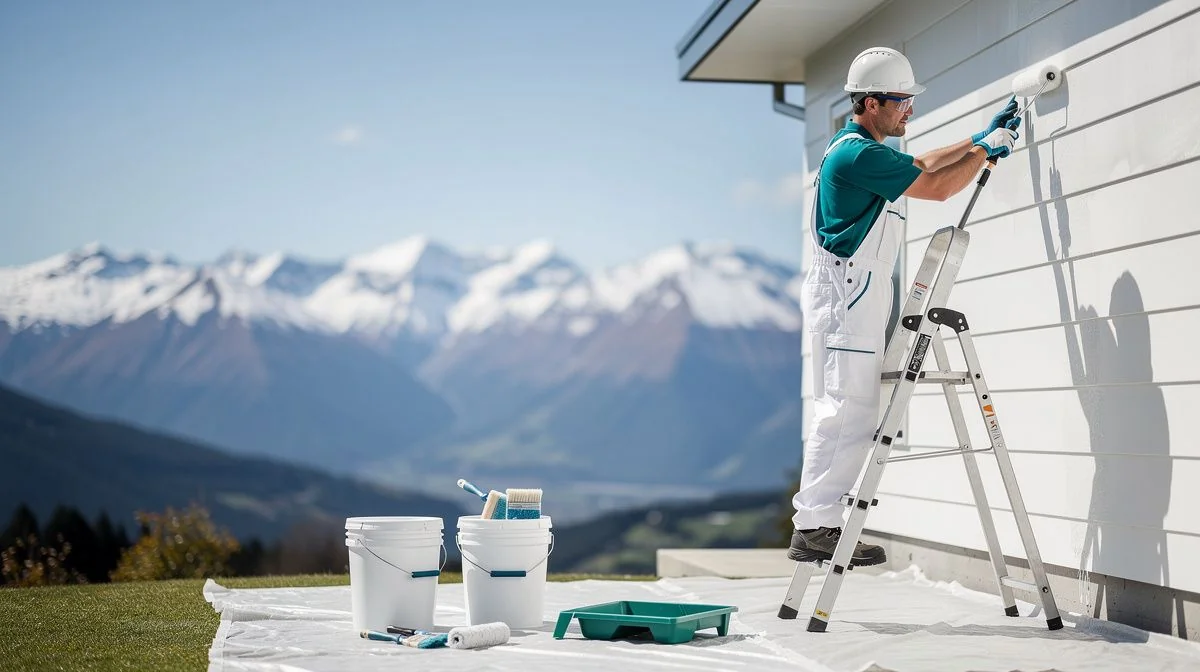
Best House Painters in Queenstown
Queenstown’s unique climate — with its cold winters, sudden rain, and strong UV exposure — can be tough on exterior paint. Keeping your home looking sharp isn’t just about aesthetics; it’s about protecting your property against the elements. Whether you’re sprucing up a holiday rental or giving your family home a fresh look, finding a reliable house painter in Queenstown makes all the difference.
Because the local market is busy and demand for tradespeople runs high, you need to know what separates a quality painter from someone who’ll rush the job. This page walks you through exactly what to look for, what to ask, and how to get the best result for your budget.
What to look for when hiring a House Painter in Queenstown
Not all painters are created equal. In Queenstown, where weather and building standards vary across suburbs (from lakeside properties to elevated homes in Arrowtown or close to The Remarkables), experience matters. Here are the key things to check before you commit.
- Local experience — A painter who knows Queenstown will understand how frost, moisture, and UV affect different paint systems. Ask how many years they’ve worked in the Otago region.
- Proper insurance — Public liability insurance (at least $1 million cover) and workers’ compensation are essential. No insurance means you could be liable for accidents on your property.
- References and recent work — Reputable painters should provide photos of recent Queenstown jobs and contact details of past clients. Follow up and ask about punctuality, cleanliness, and whether the paint lasted.
- Written quotes and contracts — A detailed quote should list the paint brand, number of coats, preparation work, and timeline. Avoid anyone who only gives a verbal estimate.
- Warranty or guarantee — Most professional painters offer a 1–2 year workmanship warranty. This covers peeling, blistering, or poor adhesion that isn’t caused by weather damage.
- Cleanliness and safety — Ask how they manage dust, paint drips, and scaffolding. A good painter will protect your garden, driveway, and furniture.
- Licensing — In New Zealand, house painters don’t need a specific license from the government, but many belong to trade associations like the New Zealand Master Painters Association or the Painting & Decorating Association of NZ. Membership suggests a commitment to standards.
Key questions to ask before hiring
Asking the right questions saves you from headaches later. Use these when you’re comparing quotes.
- “Can you provide at least three recent references from Queenstown jobs?” — Local references tell you if they’re reliable in this area.
- “What paint brands do you usually use, and why?” — Quality brands like Resene, Dulux, or Wattyl often carry warranties that depend on correct application. A good painter will explain their choice.
- “How do you prepare the surface?” — Preparation is 80% of the job. Look for answers about washing, sanding, filling cracks, and priming.
- “Do you apply primer or undercoat?” — Skipping primer on bare surfaces can lead to peeling. A professional will always use a suitable primer.
- “What’s your process for dealing with our local weather?” — In Queenstown, rain can interrupt painting for days. Ask about their backup plan and how they protect your home if the forecast changes.
- “How many coats do you include?” — A standard exterior job requires two topcoats over a primer. Interiors may vary. Get it in writing.
- “Will you use scaffolding or ladders?” — Scaffolding is safer for two-storey homes. Ladders may damage gardens or gutters.
- “Can you provide a timeline and a start date?” — Be specific. Many Queenstown painters are booked weeks ahead. Confirm they can start and finish within a reasonable period.
- “How do you handle rubbish and paint disposal?” — Paint waste must be disposed of properly under council regulations. A responsible painter will take care of it.
Tips for getting the best results
Your painter can only do their best work if you set the project up for success. Here’s how to get a finish you’ll love.
- Choose the right season — In Queenstown, the best months for exterior painting are late spring (October–November) and early autumn (March–April). Temperatures are mild, and rain is less frequent. Summer can be fine, but UV can dry paint too quickly, causing brush marks.
- Prepare the site yourself — Remove outdoor furniture, trim bushes that touch the house, and cover items you can’t move. This saves time (and potential costs).
- Communicate clearly about colour — Test large samples on your wall before committing. Queenstown’s light changes dramatically from morning to evening — a colour that looks great in a paint shop can feel different on a north-facing wall in winter.
- Don’t skimp on preparation — If a painter quotes a lower price because they “don’t do much prep”, walk away. Proper sanding, filling, and cleaning are essential for longevity.
- Check the warranty — Ask if the painter will come back and fix any issues within the first 12–24 months. A written warranty gives you peace of mind.
- Be realistic about timelines — Good painters take time. A three-bedroom exterior might take a week or more. Rushing leads to corner-cutting. Plan around the schedule.
A note about costs and getting quotes
Costs for house painting in Queenstown vary depending on the size of your home, the condition of the surfaces, and the complexity of the job (scaffolding, timber preparations, multiple colours). As a rough guide, expect to pay anywhere from $5,000 to $15,000 for a standard three-bedroom exterior repaint. Interior jobs can range from $3,000 to $10,000 for a similar size. These are ballpark figures — always get multiple quotes.
Here’s why getting three or more written quotes is a good idea:
- You’ll spot outlier pricing — one quote might be suspiciously low (cutting corners) or high (maybe overpriced).
- You can compare the scope of work — some painters include preparation, while others list it as an extra.
- You’ll see different product recommendations — a painter who insists on a premium brand might justify the cost with better durability in Queenstown’s climate.
When you receive quotes, check for items like:
- Surface preparation (sanding, washing, filling)
- Number of coats (primer + two topcoats is standard)
- Paint brand and specific product name
- Scaffolding or ladder use
- Clean-up and disposal fees
- GST (Goods and Services Tax — all quotes should include it or clearly state it’s extra)
Remember that the cheapest quote is rarely the best. In Queenstown, where weather can be harsh, investing a little more in a quality painter and paint system often saves money in the long run. Ask if the painter offers a discount for paying promptly on completion — some do.
Finally, check with your local council whether your property needs a building consent for painting if it’s part of a heritage or conservation area. Queenstown has several heritage zones, and rules vary. A reputable painter should be aware of these, but it’s your responsibility to confirm before work begins.
By taking the time to hire carefully, ask the right questions, and plan for the season, you’ll end up with a paint job that protects your home and looks fantastic for years to come.

The ValueHub Team built this site because finding clear, unbiased financial information in New Zealand was harder than it should be. Every guide is based on real research — we compare the actual fees, terms, and fine print so you don't have to. Our tip: shop around every year, read the policy docs, and never assume loyalty gets you the best deal.— The ValueHub Team
Try our Calculators
Use these free tools to crunch the numbers:
PAYE Calculator
Calculate your take-home pay after PAYE tax, ACC, KiwiSaver, and student loan deductions.
Compound Interest Calculator
See how your savings grow with compound interest over time. Free NZ compound interest calculator with yearly, monthly, and weekly compounding options.
Mortgage Repayment Calculator
Calculate your weekly, fortnightly, or monthly mortgage repayments. Free NZ mortgage calculator — try different rates, terms, and repayment frequencies.
Term Deposit Calculator
Calculate your term deposit returns before you lock in. Compare interest earned across different terms and rates with ValueHub's free calculator.
Savings Goal Calculator
Calculate how long it will take to reach your savings goal — and what monthly deposit you need to get there. Free NZ savings planner.
Credit Card Repayment Calculator
See how long it really takes to pay off your credit card — and how much interest you could save by paying more each month. Free NZ calculator.
House Painters in Other Cities
Best House Painters in Auckland
Best House Painters in Wellington
Best House Painters in Christchurch
Best House Painters in Hamilton
Best House Painters in Tauranga
Best House Painters in Dunedin
Latest Guides & Reviews
US Dollar to NZD: A Practical Guide for Kiwis
Compare the true cost of buying USD in NZ. We reveal the fees, margins, and hidden charges banks, Wise, and airport desks add to every US dollar transfer.
reviewUnderstanding NZ Council Rates
Follow a single rates dollar from your bank account to see where it really goes and how councils set your bill.
comparisonBest Gold and Platinum Credit Cards in New Zealand
Best gold and platinum credit cards in NZ compared: when a $150 annual fee pays for itself through travel insurance and perks.
guideBest Investment Managers in New Zealand
Compare Fisher Funds, Milford, and Pie Funds in this practical guide to vetting NZ investment managers before you trust them with your money.