Best Land Surveyors in Wanaka
Published 06 March 2025 · Updated 18 August 2026
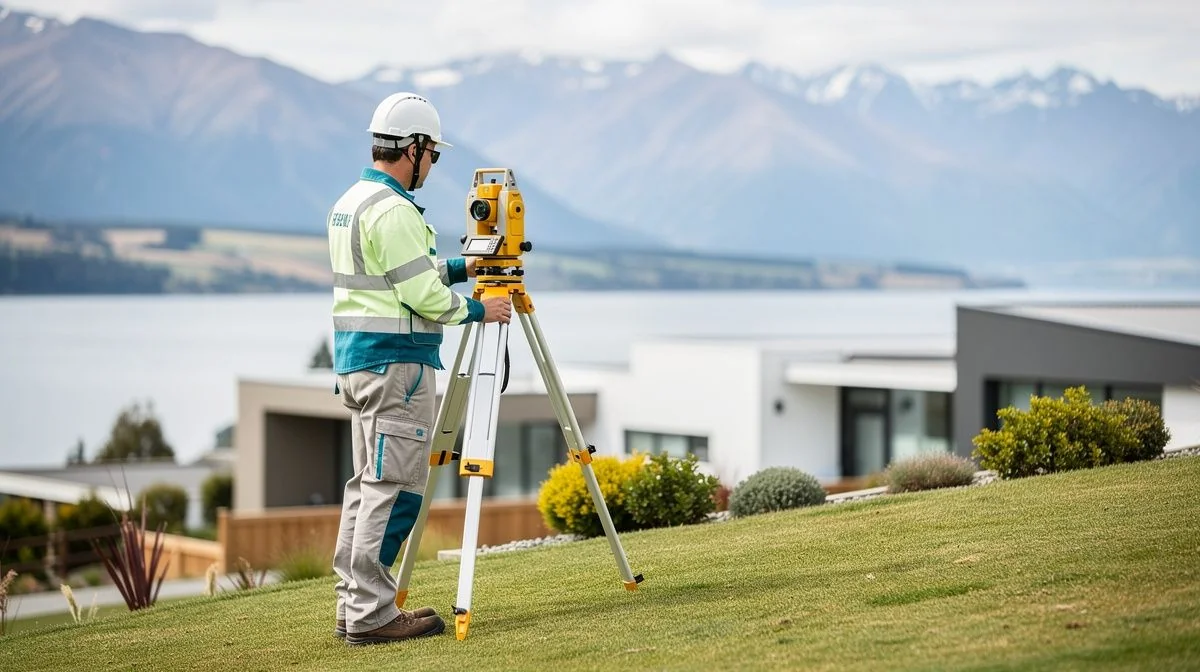
Whether you’re buying a lifestyle block by Lake Hawea, subdividing a section in Albert Town, or just want to confirm your boundary before putting up a fence, finding the right land surveyor in Wanaka makes all the difference. The region’s mix of lakefront properties, steep terraces, and rural lots means local knowledge matters. A good surveyor doesn’t just peg corners – they help you navigate council rules, identify potential issues early, and keep your project moving.
Wanaka has a handful of experienced survey firms and independent cadastral surveyors who know the local landscape and the Queenstown Lakes District Council requirements inside out. But with property values high and regulations strict, you want someone you can trust. This guide covers what to look for, what to ask, and how to get the best outcome from your survey.
What to look for when hiring a Land Surveyor in Wanaka
Licensing and registration
In New Zealand, anyone carrying out cadastral (boundary) surveys must be a Licensed Cadastral Surveyor – you can check the Land Information New Zealand (LINZ) register online. Most surveyors in Wanaka will display their licence number on their website or quote. If they can’t, ask why. Unlicensed surveyors can do topographical or planning surveys, but not official boundary work.
Local experience
Wanaka’s terrain is varied – flat lakefront sections, sloping hillsides, and rural blocks with tricky access. A surveyor who has worked in the region will know about:
- Council subdivision and consent requirements
- Common boundary discrepancies (especially on older titles)
- Flood zones, landslip risks, and easements
- Infrastructure like water and drainage lines
Ask how many projects they’ve done in the Wanaka area, and whether they’ve dealt with your type of property before.
Technology and methods
Modern land surveyors use GPS, drones, and laser scanning to speed up fieldwork and improve accuracy. While traditional theodolite and tape still work, a surveyor who invests in up-to-date equipment can often give you results faster and handle difficult terrain more easily. It’s not essential, but it’s a good sign of a professional practice.
Clear communication
Surveying can be technical. You want someone who explains things in plain English – what the pegs mean, what’s included in the report, and what you need to do next. If they can’t explain the process clearly in your first conversation, that’s a red flag.
Insurance and professional membership
All reputable surveyors carry professional indemnity insurance. It’s also worth checking if they belong to the New Zealand Institute of Surveyors (NZIS). Membership shows a commitment to industry standards and ongoing professional development.
Key questions to ask before hiring
Before you sign anything, take the time to ask these questions. They’ll help you compare quotes and avoid surprises.
- “Are you a Licensed Cadastral Surveyor, and can I see your licence number?” – If boundary work is involved, this is non-negotiable.
- “How many similar projects have you done in Wanaka or the Queenstown Lakes district?” – Experience with local councils and terrain is valuable.
- “What’s your typical timeline from start to final report?” – Surveys can take anywhere from a few days to several weeks, depending on complexity and workload.
- “Can you give me a detailed written quote?” – Make sure it includes fieldwork, office work, LINZ lodgement fees (if applicable), and any travel costs.
- “What happens if you find an issue – like an encroachment or an old boundary error?” – Understand how they handle complications and whether extra costs could arise.
- “Do you have references from recent Wanaka clients?” – A good surveyor will be happy to provide a couple of contact details.
Tips for getting the best results</

The ValueHub Team built this site because finding clear, unbiased financial information in New Zealand was harder than it should be. Every guide is based on real research — we compare the actual fees, terms, and fine print so you don't have to. Our tip: shop around every year, read the policy docs, and never assume loyalty gets you the best deal.— The ValueHub Team
Try our Calculators
Use these free tools to crunch the numbers:
KiwiSaver Fund Comparison
Compare fees, returns, and risk levels across every KiwiSaver fund from all 31 NZ providers.
Currency Converter — USD to NZD
Convert US Dollars to New Zealand Dollars instantly. See the latest exchange rate and 30-day trend.
Mortgage Repayment Calculator
Calculate your weekly, fortnightly, or monthly mortgage repayments. Free NZ mortgage calculator — try different rates, terms, and repayment frequencies.
Compound Interest Calculator
See how your savings grow with compound interest over time. Free NZ compound interest calculator with yearly, monthly, and weekly compounding options.
Term Deposit Calculator
Calculate your term deposit returns before you lock in. Compare interest earned across different terms and rates with ValueHub's free calculator.
Savings Goal Calculator
Calculate how long it will take to reach your savings goal — and what monthly deposit you need to get there. Free NZ savings planner.
Land Surveyors in Other Cities
Latest Guides & Reviews
New Zealand Financial Markets Authority Guide: Investor Protection in NZ
Protect your investments with this practical guide to the FMA — how to check licences, spot scams, and what to do if a provider fails. Verified against...
comparisonEV Home Charger NZ: Costs & Buying Guide
Compare EV home charger costs in NZ — verified prices from $1,299, installation fees, smart features, and what actually matters for your home's power supply.
guideThe Most Popular EVs in New Zealand
The best-selling electric cars in New Zealand, ranked by official registration data. Top BEV and PHEV models and brands, updated monthly.
guideEV Market Stats
New Zealand's EV market in numbers — market share, fleet size, top-selling models and used imports, updated with the latest NZTA and MIA data.