Best Mechanics in Wanaka
Published 14 March 2025 · Updated 18 August 2026
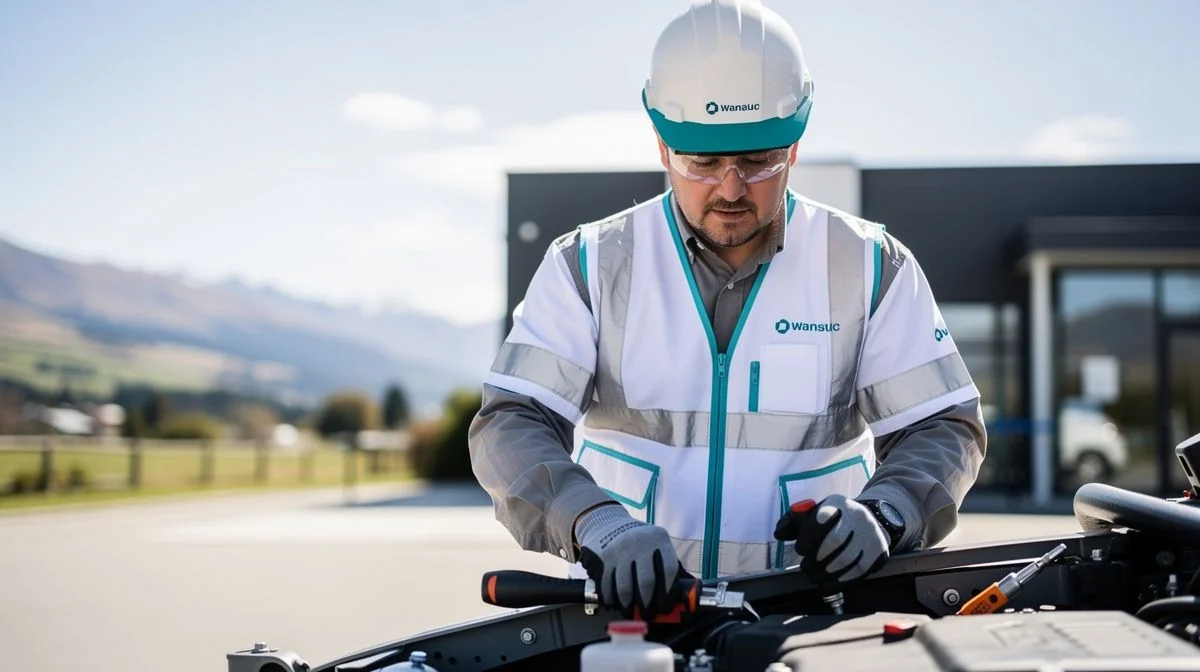
Best Mechanics in Wanaka
Finding a reliable mechanic in Wanaka can feel a bit like finding a good parking spot on a summer weekend – it takes a bit of patience and knowing where to look. Whether you drive a trusty ute for the gravel roads, a family SUV for the ski fields, or a European hatchback, your car needs a workshop that knows the local conditions and your vehicle’s quirks.
Wanaka’s workshops range from long-established general garages to specialists in four-wheel drives, performance vehicles, and modern electronics. The trick is matching your car’s needs with the right team. This page covers what to look for, the questions to ask, and how to get the best results – without the guesswork.
What to look for when hiring a mechanic in Wanaka
Not every workshop is the same. Here are the key things to check before you hand over the keys.
Qualifications and certifications
Look for mechanics with recognised New Zealand qualifications, such as NZ Certificates in Automotive Engineering. Many workshops also display manufacturer certifications – for example, training from Toyota, Ford, or European brands. You can ask to see their qualifications, or check with industry bodies like the Motor Trade Association (MTA) for current standards.
Experience with your vehicle type
Wanaka’s roads are tough on vehicles – gravel, alpine passes, and heavy towing are common. A workshop that regularly works on 4WDs and diesels will have different expertise than one that focuses on small city cars. If you drive a Subaru, Mitsubishi, or Land Rover, ask about their experience with those makes. For European vehicles, look for a specialist who uses appropriate diagnostic scanners.
Clear communication and transparency
A good mechanic explains what’s wrong in plain English, not jargon. They should show you the problem areas (old photos or a written report) and give you a clear estimate before starting work. Watch out for workshops that pressure you into unnecessary repairs or use vague language like “we’ll see what we find”.
Diagnostic equipment
Modern cars rely on computer systems. A well-equipped workshop will have up-to-date diagnostic tools for your vehicle’s make and model. This saves time and avoids guesswork. You can ask whether they invest in ongoing training and gear – it’s a good sign they take quality seriously.
Warranty on work and parts
Most reputable workshops guarantee their labour for a set period – commonly 3 to 12 months. Parts usually carry their own manufacturer warranty. Ask what’s covered and for how long, and get it in writing if possible. A workshop that stands behind its work is worth trusting.
Key questions to ask before hiring
Before you book in, ask these questions. They’ll help you compare options and avoid surprises.
- “How long have you been working on my type of vehicle?” – Experience with your specific make and model can save time and mistakes.
- “Do you provide a written estimate before work starts?” – A detailed estimate should include labour, parts, GST, and disposal fees. If they can’t give that, be cautious.
- “What is your labour rate per hour?” – Rates vary between workshops. Ask whether diagnostic time is charged at the same rate, and if there are any call-out fees.
- “Do you use genuine, OEM, or aftermarket parts?” – Each option has different cost and quality. Make sure they explain the choice and get your approval.
- “How do you handle additional work not in the original quote?” – A trustworthy mechanic will call you before doing extra repairs or parts replacements. Agree on a threshold – say, “please call me if the cost exceeds $100 more than the estimate”.
- “What warranty do you offer on parts and labour?” – Get the details in writing. Some workshops include a limited warranty only if you follow their service schedule.
Tips for getting the best results
You and your mechanic work best as a team. Here’s how to make that partnership smooth and productive.
- Keep a service logbook. – Record every service, repair, and part replacement. This helps the mechanic spot patterns (e.g., a recurring coolant leak) and can support warranty claims.
- Describe symptoms clearly. – Instead of “the car feels weird”, say “there’s a rattling noise from the front left wheel when I turn right above 30 km/h”. Time of day, weather, and road conditions all matter.
- Ask for a pre-inspection report. – If you’re buying a used car in Wanaka, many workshops offer a pre-purchase inspection. It can uncover hidden issues before you commit.
- Build a long-term relationship. – Stick with one trusted mechanic where possible. They’ll learn your vehicle’s history and driving habits, which makes diagnostics faster and more accurate.
- Plan ahead for seasonal checks. – Before ski season, get your 4WD’s transfer case, diff oils, and cooling system checked. Before summer, focus on air conditioning and tyre condition for long drives.
- Request approval before any additional work. – Always – and make sure the workshop honours that. Unauthorised work is one of the most common complaints.
A note about costs and getting quotes
Car repairs are rarely cheap, but paying a fair price doesn’t mean being overcharged. Here’s what you need to know about costs in Wanaka.
Labour rates for mechanics in a regional town like Wanaka typically range between $80 and $150 per hour, depending on the workshop’s specialisation and overheads. Diagnostic time is usually billed at the same rate. Always ask for an estimate that breaks down labour, parts, and GST separately.
Parts pricing can vary significantly. Genuine dealer parts are the most expensive, while aftermarket or reconditioned parts can save money. Your mechanic should discuss the options – and the warranty implications – before ordering anything. It’s also worth asking if they source parts locally or from further afield, as freight delays can affect turnaround time.
When you get a quote from a few workshops, look beyond the bottom line. A very cheap quote might mean corners cut on

The ValueHub Team built this site because finding clear, unbiased financial information in New Zealand was harder than it should be. Every guide is based on real research — we compare the actual fees, terms, and fine print so you don't have to. Our tip: shop around every year, read the policy docs, and never assume loyalty gets you the best deal.— The ValueHub Team
Try our Calculators
Use these free tools to crunch the numbers:
KiwiSaver Fund Comparison
Compare fees, returns, and risk levels across every KiwiSaver fund from all 31 NZ providers.
Currency Converter — USD to NZD
Convert US Dollars to New Zealand Dollars instantly. See the latest exchange rate and 30-day trend.
Mortgage Repayment Calculator
Calculate your weekly, fortnightly, or monthly mortgage repayments. Free NZ mortgage calculator — try different rates, terms, and repayment frequencies.
Compound Interest Calculator
See how your savings grow with compound interest over time. Free NZ compound interest calculator with yearly, monthly, and weekly compounding options.
Term Deposit Calculator
Calculate your term deposit returns before you lock in. Compare interest earned across different terms and rates with ValueHub's free calculator.
Savings Goal Calculator
Calculate how long it will take to reach your savings goal — and what monthly deposit you need to get there. Free NZ savings planner.
Mechanics in Other Cities
Latest Guides & Reviews
New Zealand Financial Markets Authority Guide: Investor Protection in NZ
Protect your investments with this practical guide to the FMA — how to check licences, spot scams, and what to do if a provider fails. Verified against...
comparisonEV Home Charger NZ: Costs & Buying Guide
Compare EV home charger costs in NZ — verified prices from $1,299, installation fees, smart features, and what actually matters for your home's power supply.
guideThe Most Popular EVs in New Zealand
The best-selling electric cars in New Zealand, ranked by official registration data. Top BEV and PHEV models and brands, updated monthly.
guideEV Market Stats
New Zealand's EV market in numbers — market share, fleet size, top-selling models and used imports, updated with the latest NZTA and MIA data.