Best Plumbers in Dunedin
Published 25 August 2026 · Written by the ValueHub team · Reviewed by Steve Baron
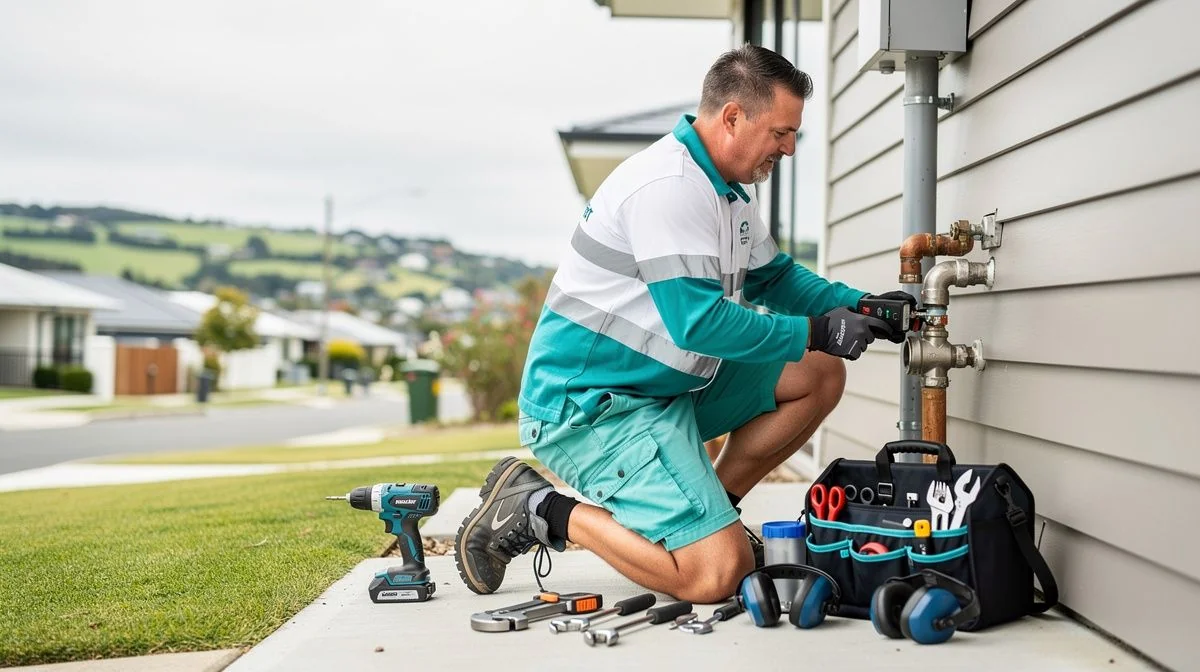
Why a Good Plumber Matters in Dunedin
Dunedin's cold winters and older homes are hard on plumbing, and the plumber you pick has to know both. The Victorian and Edwardian homes in Roslyn and Maori Hill still run on original pipework; the dense belt of student flats in North Dunedin needs year-round maintenance; and a burst pipe or a failed hot water system in winter is miserable in a way a warm city never sees. A plumber who knows these conditions is worth far more than one who follows a textbook.
Plumbing is also tightly regulated: under the Plumbers, Gasfitters and Drainlayers Act, sanitary plumbing, gasfitting and drainlaying must all be carried out by — or under the supervision of — a licensed practitioner. Do it unlicensed and no insurer or council will stand behind the job.
Dunedin plumbers typically charge $90 to $150 an hour, plus a callout fee. It is real money, and it is worth spending on someone properly licensed who knows how older Dunedin homes actually behave.
How We Researched This Guide
We read the Plumbers, Gasfitters and Drainlayers Board requirements to explain exactly what each licence class covers, and confirmed how the public register works. For pricing, we looked at what Dunedin and Otago plumbers publish on their own sites alongside current cost guides, and read local material on the city's older housing and cold climate. Where a number wasn't published, we didn't guess at it.
Our Trusted Plumbers
We feature businesses that demonstrate strong performance, proven experience, and consistently positive customer feedback. Some of the providers listed may have commercial relationships with us, but all are selected based on quality and reliability.
To begin, reach out to them and speak with them directly — this helps you explain your job, ask questions, and confirm whether they're the right fit.
Dunedin Plumbing Companies | Gasfitters and Drainlayers: Gas & Water - it's what we do! Gas & Water Ltd is a certifying plumbing, gasfitting and drainlaying company operating throughout the greater Dunedin area. We ar. Gas & Water - it's what we do! 121 Glasgow Street , South Dunedin, Dunedin. DON'T CHOOSE SEPARATE GAS
The Quick Summary (60-Second Version)
In short:
- Typical cost: Dunedin plumbers charge $90–$150 an hour, plus a callout of $150–$280.
- How long: a small repair takes under an hour; a hot water install takes half a day or more.
- Best value for most homes: a licensed certifying plumber who issues a Certificate of Compliance.
- What to check: their PGDB licence class, verified on the public register.
- The biggest factor: the age of the home — older Dunedin pipework changes the job.
- The mistake to avoid: hiring a handyperson for work that legally needs a certifying plumber.
Plumber Licensing & Regulation — What Actually Matters
Plumbing in New Zealand is governed by the Plumbers, Gasfitters and Drainlayers Act and administered by the Plumbers, Gasfitters and Drainlayers Board (PGDB). The Act divides the work into three categories — sanitary plumbing, gasfitting and drainlaying — and each requires its own licence. A plumber cannot legally do gasfitting without a gasfitting licence, and so on.
| Licence type | What it allows |
|---|---|
| Certifying plumber | Performs and certifies sanitary plumbing work |
| Certifying gasfitter | Performs and certifies gasfitting work |
| Certifying drainlayer | Performs and certifies drainlaying work |
| Licensed (tradesman) | Works under the supervision of a certifying practitioner |
The PGDB keeps a public register, and you can search it online to verify any plumber before they start work on your property. It takes a minute, and it tells you exactly which class of licence they hold and whether there is anything in their history you should know about.
The practical upshot is a Certificate of Compliance. When a certifying plumber completes work, they should issue one — it is the paperwork that proves that a licensed practitioner did the work and meets the rules. It is what protects you when you sell, and what your insurer will want to see if something goes wrong.
For hot water systems, there is a further requirement: the installation must comply with the relevant New Zealand standards, and cylinders must have compliant tempering valves to prevent scalding. A good plumber knows this and does not skip it.
Dunedin Pricing — What You Can Expect to Pay
Dunedin plumber rates are among the most affordable in the country, with hourly rates slightly below those in Christchurch. The hourly rate is the headline number, but the callout fee is where the bill starts, so always ask for a total estimate before work begins.
| Job | Typical cost |
|---|---|
| Hourly rate | $90–$150 |
| Callout fee | $150–$280 |
| Tap repair or replacement | $150–$350 |
| Leak detection and repair | $200–$600 |
| Blocked drain clearing | $200–$500 |
| Toilet replacement | $400–$900 |
| Hot water cylinder replacement | $2,000–$4,500 |
| Full house re-pipe | $8,000–$15,000 |
| After-hours or emergency | 1.5–2× the standard rate |
Price ranges verified from multiple Dunedin plumbing cost guides as of August 2026. Final quotes depend on the job, the access, and the condition of the existing plumbing.
The biggest variable is the home's age. Older Dunedin houses often have galvanised or original copper pipework that requires more work to repair properly, which pushes the cost up. The student flats in North Dunedin are a particular case — many are old, cold and heavily used, which means more urgent callouts and more involved jobs.
Urgency is the other driver. After-hours, weekend, and emergency callouts typically cost 1.5 to 2 times the standard rate. In a cold Dunedin winter, a burst pipe or a failed hot water cylinder cannot wait — but if it can wait until business hours, it is usually worth waiting.
Ask whether the quote includes GST and whether a Certificate of Compliance is included. The certificate is not an optional extra — it is part of doing the job properly, and a good plumber includes it as standard.
How to Choose a Plumber — What Actually Matters
Check the licence first. Ask for their name and licence class, then verify it on the PGDB register. A certifying plumber can do and certify the work; a licensed plumber must be supervised. For most jobs you want a certifying plumber.
Ask what class of licence they hold, and make sure it matches the job. Gasfitting and drainlaying are separate licences, so a plumber quoting gas work needs the gasfitting licence too. If they are vague about this, keep looking.
Ask specifically about experience with older Dunedin homes. A plumber who knows Victorian and Edwardian villas — and the student flats belt — is far better placed than one who mostly works on new builds. Ageing pipework and cold-climate issues are not things you want someone learning on the job.
Ask about the Certificate of Compliance. A good plumber issues one for completed work without being asked. It is the paperwork that proves the job was done properly, and it matters at the time of sale and for insurance.
These are the signs to look elsewhere:
- Not on the PGDB register, or the wrong licence class. That is a hard stop.
- Vague about a Certificate of Compliance. A real plumber issues one as standard.
- A quote that is dramatically cheaper than the others. It usually means shortcuts.
- Won't give a total estimate before starting. Hourly rates can balloon without one.
- Offers gas or drainage work without the matching licence. Each class is separate.
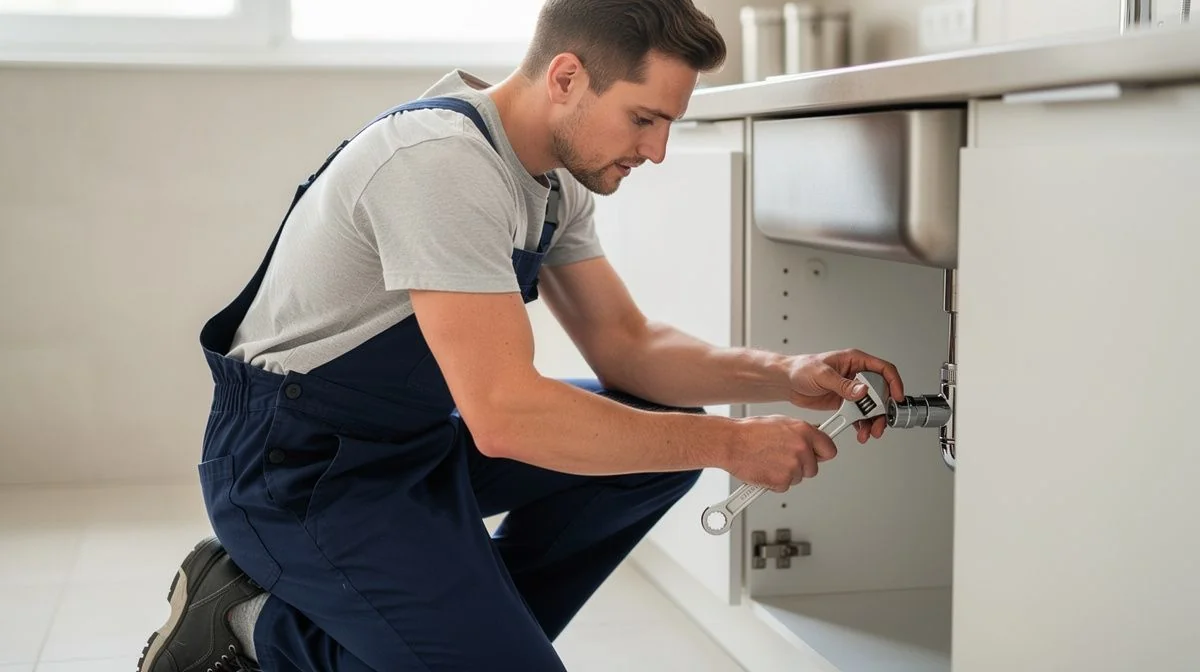
What to Expect When You Call a Plumber
When you call, be ready to describe the problem in plain terms — what is leaking, where it is leaking, and when it started. For a hot water system, know the make and age of the unit if you can. The more you can tell them up front, the more likely they are to bring the right parts the first time.
Expect a clear estimate before they start. A good plumber tells you the likely cost range, confirms whether it includes GST, and flags anything that might change once they see the job. For a simple repair, they will usually sort it in one visit.
How long common jobs roughly take:
- Leaking tap repair: 30 minutes to an hour.
- Blocked drain: 30 minutes to a couple of hours, depending on the cause.
- Toilet repair or replacement: one to two hours.
- Hot water cylinder replacement: half a day to a full day.
- Full-house repipe: several days, depending on the home.
At the end, ask for the Certificate of Compliance and any product warranties. Keep them — the certificate matters if you sell, and the warranty is only useful if you can prove who did the work and when. A quick check that everything is working and there are no leaks is the last step before you pay.
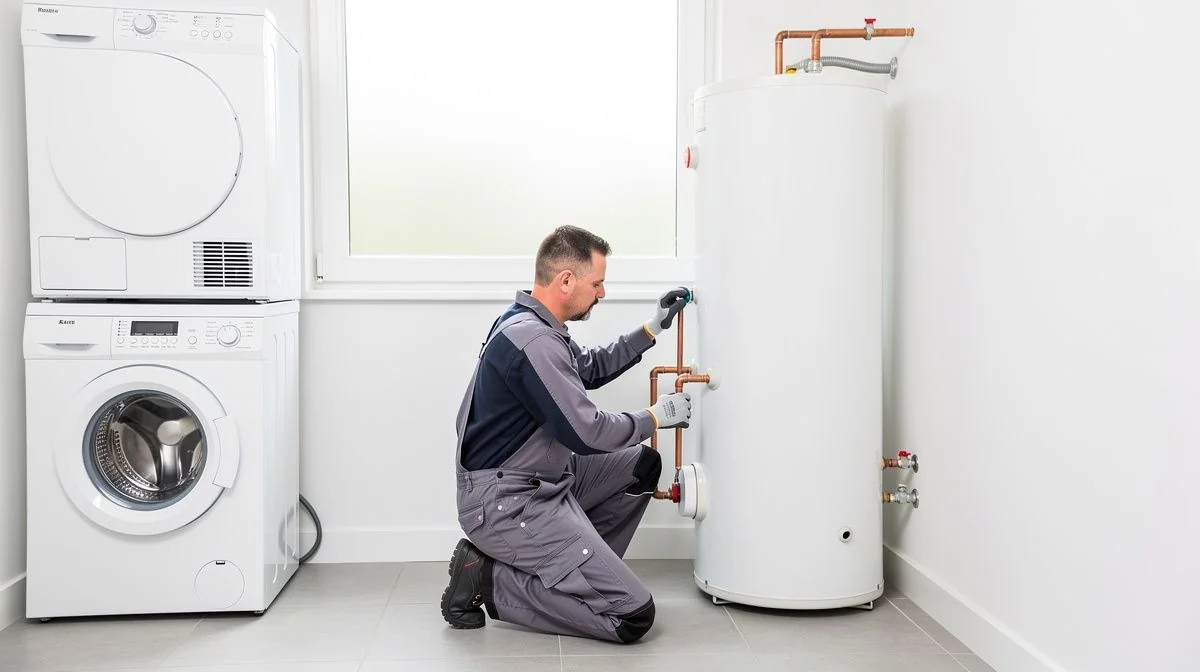
Dunedin-Specific Risks & Local Factors
The age of the housing shapes plumbing in Dunedin, the student population, and the climate. These are the factors a local plumber should recognise immediately.
Older homes and ageing pipework
Dunedin has a high proportion of older homes, and many still carry original pipework — galvanised or old copper — that has been patched over decades. Victorian villas in Roslyn and Maori Hill, and the Edwardian bungalows around them, need a plumber who has seen ageing infrastructure before. Repairs on old pipework are often more involved, and a plumber who knows what they are looking at saves you from a botched patch job.
The student flats belt
North Dunedin's student flats create year-round demand for plumbing maintenance, and the jobs are often urgent. These are heavily used, frequently old homes, and a failed hot water system or burst pipe in a cold flat is a genuine emergency. A plumber who works the student belt knows the common failure points and can often get to you fast when it matters.
Cold winters and freezing pipes
Dunedin has the coldest winters of any major New Zealand city, and exposed pipework can freeze in a hard frost — which is when pipes burst. Combined with the city's draughty older homes, that makes winter the peak season for urgent plumbing. A local plumber knows to look for vulnerable exposed pipework and can advise you on prevention before winter bites.
Hilly terrain and access
Dunedin's hills — Roslyn, Maori Hill, the steep streets around the city — complicate access for plumbing work. Under-floor work, wall cavities and hard-to-reach homes all add labour. A plumber who knows the city's terrain can plan the access properly, rather than discovering it halfway through the job.
Questions You Might Have
How do I check a plumber is licensed?
Search the Plumbers, Gasfitters and Drainlayers Board register online at pgdb.co.nz. It is free, and it tells you whether the plumber is licensed, what class of licence they hold, and whether there is anything in their history. It takes about a minute, and it is the single most important check you can make.
What is a Certificate of Compliance and do I need it?
It is the paperwork a certified plumber issues upon completing work, confirming that a licensed practitioner performed the work in compliance with the rules. Yes, you need it — it protects you at the time of sale, and it is what your insurer will want to see if something goes wrong. A good plumber provides it as a matter of course.
Why do older Dunedin homes cost more to fix?
Because the pipework is usually older and more fragile, galvanised and original copper pipes are more likely to need replacing rather than a simple repair, and accessing them in an old home — under floors, in wall cavities — takes more labour. A plumber who knows older homes can quote this accurately up front rather than surprising you mid-job.
Can I do plumbing work myself?
Generally no. Sanitary plumbing, gasfitting and drainlaying are restricted work that must be done by — or under the supervision of — a licensed practitioner. DIY plumbing is illegal, and if it goes wrong, neither your insurer nor your council will stand behind it. Leave it to a certifying plumber.
Should I worry about pipes freezing in winter?
In a hard Dunedin frost, exposed pipework can freeze and burst, and it is one of the most common winter emergencies. The best defence is prevention — lagging exposed pipes and keeping some heat in the home. A local plumber can identify vulnerable pipework before winter and save you from a costly burst later.
What Matters Most
Dunedin's older homes and cold winters make plumbing a high-stakes job, and the rules around it are absolute: unlicensed work is illegal, uninsurable, and it becomes your problem the moment something fails behind a wall. The Certificate of Compliance is the piece of paper that protects you.
Check the licence, get a total estimate, and insist on the certificate. Do that, and your plumbing is one thing you will not have to think about for years.

The ValueHub Team built this site because finding clear, unbiased financial information in New Zealand was harder than it should be. Every guide is based on real research — we compare the actual fees, terms, and fine print so you don't have to. Our tip: shop around every year, read the policy docs, and never assume loyalty gets you the best deal.— The ValueHub Team
Try our Calculators
Use these free tools to crunch the numbers:
KiwiSaver Fund Comparison
Compare fees, returns, and risk levels across every KiwiSaver fund — the most up to date data in New Zealand.
Currency Converter — USD to NZD
Convert US Dollars to New Zealand Dollars instantly. See the latest exchange rate and 30-day trend.
Mortgage Repayment Calculator
Calculate your weekly, fortnightly, or monthly mortgage repayments. Free NZ mortgage calculator — try different rates, terms, and repayment frequencies.
Compound Interest Calculator
See how your savings grow with compound interest over time. Free NZ compound interest calculator with yearly, monthly, and weekly compounding options.
Term Deposit Calculator
Calculate your term deposit returns before you lock in. Compare interest earned across different terms and rates with ValueHub's free calculator.
Savings Goal Calculator
Calculate how long it will take to reach your savings goal — and what monthly deposit you need to get there. Free NZ savings planner.
Plumbers in Other Cities
Latest Guides & Reviews
KiwiSaver and Tax — PIR, ESCT and What You Actually Pay
KiwiSaver is taxed twice — ESCT on your employer's contribution and your PIR on the fund's returns. How each rate is set, and the two most members never check.
reviewInvestNow KiwiSaver Scheme Review
InvestNow KiwiSaver review: 45 open funds, fund charges from 0.03 to 1.38 per cent, and net returns to 30 June 2026.
reviewKernel KiwiSaver Scheme Review
Kernel KiwiSaver review: 25 open funds, fund charges from 0.25 to 0.45 per cent, and net returns to 30 June 2026.
guideTax Debt in New Zealand — The Numbers
Official figures on New Zealand's overdue tax debt: the total, the collectable share, which customer groups hold it, and how much is repaid or written off.