Best Plumbers in Palmerston North
Published 11 September 2026 · Written by the ValueHub team · Reviewed by Steve Baron
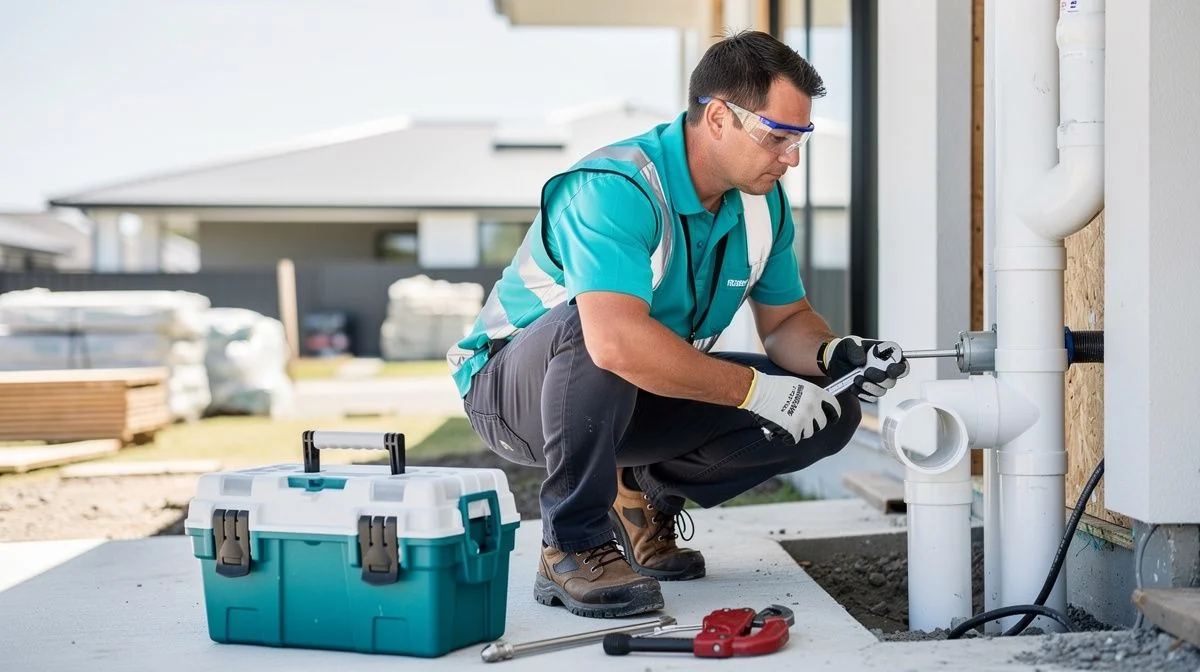
Cold Mornings, Long Pipe Runs and Hard-Working Cylinders
Palmerston North has real winters, and they show up in the plumbing. Cold mornings mean longer showers, colder incoming water and cylinders working harder than they do further north. A cylinder sitting in an unheated garage has to heat water that arrives close to freezing, and the element pays for it. Insulating the cylinder and any exposed hot water pipes is inexpensive here, and it pays for itself faster than almost any other household improvement.
Pressure is another recurring complaint. Long pipe runs, ageing mains and older internal pipework all cost you pressure, and some streets notice it more than others. If the shower weakens whenever a tap runs elsewhere in the house, the cause is usually internal plumbing rather than the network. That needs measuring, not guessing. A plumber can tell you whether the problem sits on your side of the boundary or the council's.
The city's economy leans on rural services, food processing and logistics, which keeps a steady flow of commercial plumbing work running alongside the household market. That breadth matters when you need someone at short notice, because firms used to larger jobs often have the equipment and the staff to handle a domestic repair properly. On the other hand, a substantial rental market means plenty of routine maintenance work, and clear communication between landlord and tenant resolves most of it.
How We Researched This Guide
We started with the licensing framework, because plumbing is a restricted occupation and certification carries legal weight. That means the classes administered by the Plumbers, Gasfitters and Drainlayers Board, and the practical difference between a registered plumber and a certifying one.
Pricing bands come from published New Zealand trade pricing guides, compared against each other so the ranges describe the market rather than a single firm's card. Local property and rent context comes from recent Manawatū valuation data. We checked every figure against a live source.
The 60-Second Version
If you read nothing else, read this.
- Local plumbers charge roughly $90–$160 an hour excluding GST, with $90–$140 the common band and smaller centres usually at the lower end.
- A standard-hours call-out is $70–$150 and typically includes travel plus the first 30 minutes.
- After-hours call-outs run $150–$250, with labour at $160–$300 an hour and basic repairs reaching $400–$600.
- Only a certifying plumber can sign off compliance paperwork for regulated work.
- If you rent, the landlord is normally responsible for repairs, but you must report the problem promptly.
- Isolate the water at the mains and wait for morning whenever it is safe to do so.
What Plumbers Charge in Palmerston North
As a regional centre, Palmerston North usually prices lower than Auckland, Wellington, and Queenstown. Expect the lower half of the bands below unless access is difficult or the work is after hours.
| Job | Typical cost (excl. GST) |
|---|---|
| Standard hourly rate | $90–$160, commonly $90–$140 |
| Call-out, standard hours | $70–$150, usually includes travel and the first 30 minutes |
| After-hours call-out | $150–$250, plus $160–$300 an hour |
| Drain unblocking | $150–$300 |
| Leaking pipe repair | $120–$250 |
| Hot water cylinder repair | $250–$450 |
| Toilet or tap repair | $120–$200 |
| Full bathroom plumbing installation | $2,000–$5,000 or more |
Ranges verified from published New Zealand trade pricing guides and provider quotes as at September 2026. Many plumbers charge a minimum that covers the first hour of work.
The After-Hours Trap: When Midnight Costs the Most
After-hours plumbing is the most expensive routine work a household can buy. The call-out alone is $150–$250, labour behind it runs $160–$300 an hour, and a straightforward repair can pass $600. Weekend and public holiday rates sit at the very top of those bands.
Most of that cost is optional. Find the stopcock, the valve where water enters the property, and turn it off. On a cold night, you can isolate a split pipe in minutes, and once the supply is off, the damage stops spreading.
Then wait until morning. Unless water is reaching wiring, a ceiling is collapsing, or sewage is backing into the house, the job will still be there at half past eight and will cost a fraction as much.
What a Call-Out Fee Covers — and What It Leaves Out
A call-out fee pays for the plumber's arrival. It generally covers travel and the first 30 minutes of work. Beyond that window, the hourly rate applies, and after-hours bookings carry the higher rate from the first minute.
It usually does not include parts, a return visit if something must be ordered, or extra labour if the job turns out larger than described. In older houses, that is common, because the fault behind a wall is often bigger than the symptom in the room.
Local Factors That Shape the Job
Winter Demand and Cold Cylinders
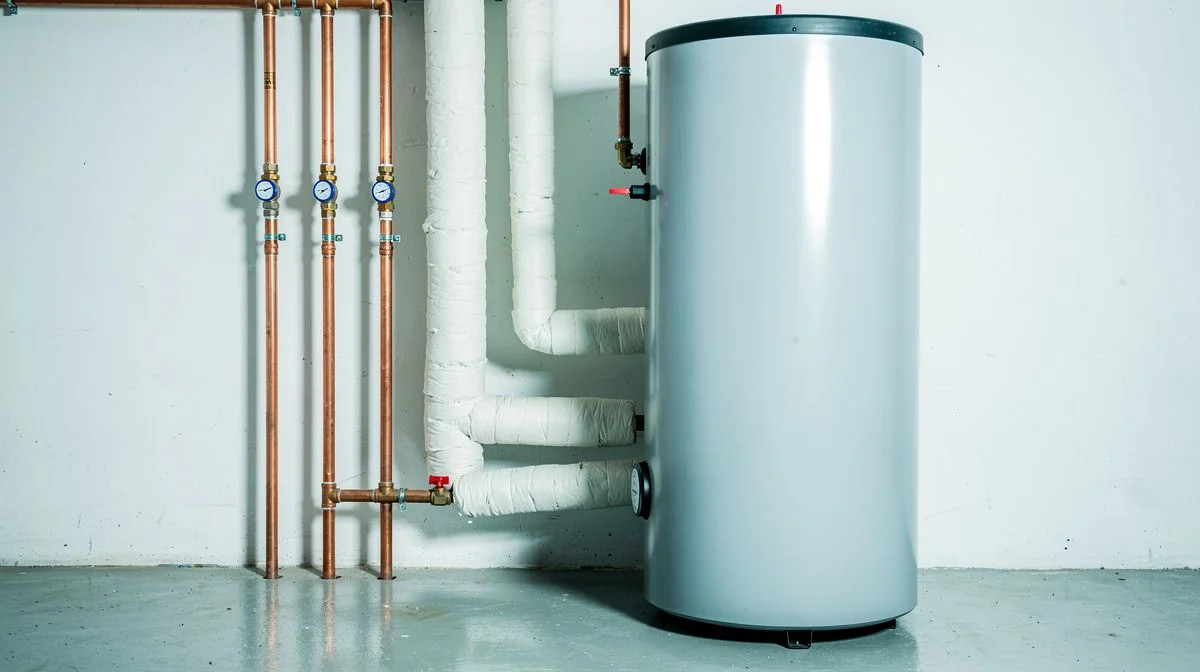
Cold months push hot water systems harder. Longer showers, colder incoming water and cylinders sitting in unheated garages all increase the work the element does. Insulating exposed hot water pipes and the cylinder itself is inexpensive and pays back quickly here.
Low Pressure in Older Suburbs
Long pipe runs, ageing mains and older internal pipework all cost pressure, and some streets notice it more than others. If your shower weakens when another tap runs, the cause is usually internal plumbing. A plumber can measure flow and pressure and tell you whose side of the boundary the problem sits on.
Landlord and Tenant Responsibilities
With rents near $545 a week, the most common dispute is who pays. In general, the landlord maintains the property in reasonable repair, and the tenant reports problems promptly and is responsible for damage caused carelessly. Most disputes start with a delay in reporting rather than a disagreement about the rules.
Who Can Certify Regulated Work
Plumbing authorisation comes in classes. A registered plumber may carry out plumbing work. A certifying plumber may also certify it, and only a certifier's sign-off meets the compliance requirements for regulated work.
The practical consequence is straightforward. Sanitary plumbing, drainage and water supply work that requires certification cannot be legally completed by someone who is registered but not certifying. If the job generates paperwork, the person doing the work must be able to produce it.
Ask before you book: are you a certifying plumber, and will you certify this work? It matters at sale time and for insurance, because a future owner or assessor may ask for the certification record.
Hot Water Cylinder: Repair or Replace?
A cylinder failure is rarely all-or-nothing. A repair typically costs $250–$450. Replacement costs more, but it renews the whole unit instead of one part, and it is the only option once the tank itself has failed.
Repair is sensible when the fault is a serviceable component: an element, a thermostat, a relief valve, a tempering valve, or a leaking fitting at the top. In those cases, the tank underneath is still sound.
Replacement is the right answer when the shell is leaking, the body shows rust, the base is weeping, or the unit is already old. A leaking shell cannot be reliably patched, and any plumber offering to try is selling you time rather than a solution.
The decision usually becomes clear once you have two facts: where the leak is and how old the unit is. If a repair is near the top of the $250–$450 band on an old cylinder, put the money toward a newer, better-insulated unit instead.
Choosing a Plumber in Palmerston North
Ask about the licence class first if your job needs certification, then ask whether the firm works weekends, because a rental-heavy market often needs Saturday appointments. Confirm the call-out fee and the minimum charge as separate numbers.
If you are a landlord, ask for a written scope and an invoice. If you are a tenant, report the problem in writing and keep a record of when you did — that habit resolves most disputes before they start.
Warning Signs
- No licence class stated. A plumber should say whether they are registered or certified without hesitation.
- A price given before they find the fault. On older systems, a firm number for an unseen leak is a guess.
- Pressure to replace a repairable cylinder. Ask where the leak is and insist on a plain answer.
- No invoice offered. Certificates, warranties and tenancy records all depend on paperwork.
- Cash-only emergency pricing. Urgency is a legitimate charge; unexplained urgency usually is not.
Questions You Might Have
Who pays for a plumbing repair in a rental?
The landlord normally covers repairs and maintenance. A tenant who caused damage through carelessness can be charged. Report faults promptly and in writing, because delays usually cause disputes more than costs.
Why does my hot water run out faster in winter?
Incoming water is colder, so the cylinder has to heat it further, and longer showers use more of it. Insulating exposed pipes and checking the cylinder's temperature setting are the first things to try.
Can I fix low water pressure myself? Try cleaning a tap aerator or shower head first. If pressure is low across the whole house, the cause is in the pipework or the supply, and you need to measure it rather than guess.
Is a cylinder replacement urgent?
Only if it is leaking from the shell with the water still on, turn the water off, and book a standard appointment for the next working day.
What Matters Most
In a colder city, plumbing failures cluster around hot water, and the biggest savings come from handling them calmly: isolate the water, wait for a standard appointment, and get a straight answer on where the cylinder is leaking.
If you rent, write things down. If you own, insulate exposed pipes before winter arrives. For a wider look at the trade and what different jobs cost, see our main guide to plumbers in New Zealand.

The ValueHub Team built this site because finding clear, unbiased financial information in New Zealand was harder than it should be. Every guide is based on real research — we compare the actual fees, terms, and fine print so you don't have to. Our tip: shop around every year, read the policy docs, and never assume loyalty gets you the best deal.— The ValueHub Team
Try our Calculators
Use these free tools to crunch the numbers:
KiwiSaver Fund Comparison
Compare fees, returns, and risk levels across every KiwiSaver fund — the most up to date data in New Zealand.
Currency Converter — USD to NZD
Convert US Dollars to New Zealand Dollars instantly. See the latest exchange rate and 30-day trend.
Mortgage Repayment Calculator
Calculate your weekly, fortnightly, or monthly mortgage repayments. Free NZ mortgage calculator — try different rates, terms, and repayment frequencies.
Compound Interest Calculator
See how your savings grow with compound interest over time. Free NZ compound interest calculator with yearly, monthly, and weekly compounding options.
Term Deposit Calculator
Calculate your term deposit returns before you lock in. Compare interest earned across different terms and rates with ValueHub's free calculator.
Savings Goal Calculator
Calculate how long it will take to reach your savings goal — and what monthly deposit you need to get there. Free NZ savings planner.
Plumbers in Other Cities
Latest Guides & Reviews
SuperLife KiwiSaver Scheme Review
SuperLife KiwiSaver review: 65 open funds, fund charges from 0.20 to 1.30 per cent, and net returns to 30 June 2026.
reviewSuperEasy KiwiSaver Scheme Review
SuperEasy KiwiSaver review: 8 open funds, a 0.32 per cent fund charge, and net returns to 31 March 2026.
reviewWestpac KiwiSaver Scheme Review
Westpac KiwiSaver review: 8 open funds, fund charges from 0.25 to 0.70 per cent, and net returns to 30 June 2026.
reviewANZ KiwiSaver Scheme Review
Review of ANZ KiwiSaver. Three schemes, fees from 0.22 per cent, the closed Default scheme, OneAnswer and the Lifetimes option.