Best Plumbers in Lower Hutt
Published 11 September 2026 · Written by the ValueHub team · Reviewed by Steve Baron

Galvanised Pipes, Steep Streets and Pressure Zones
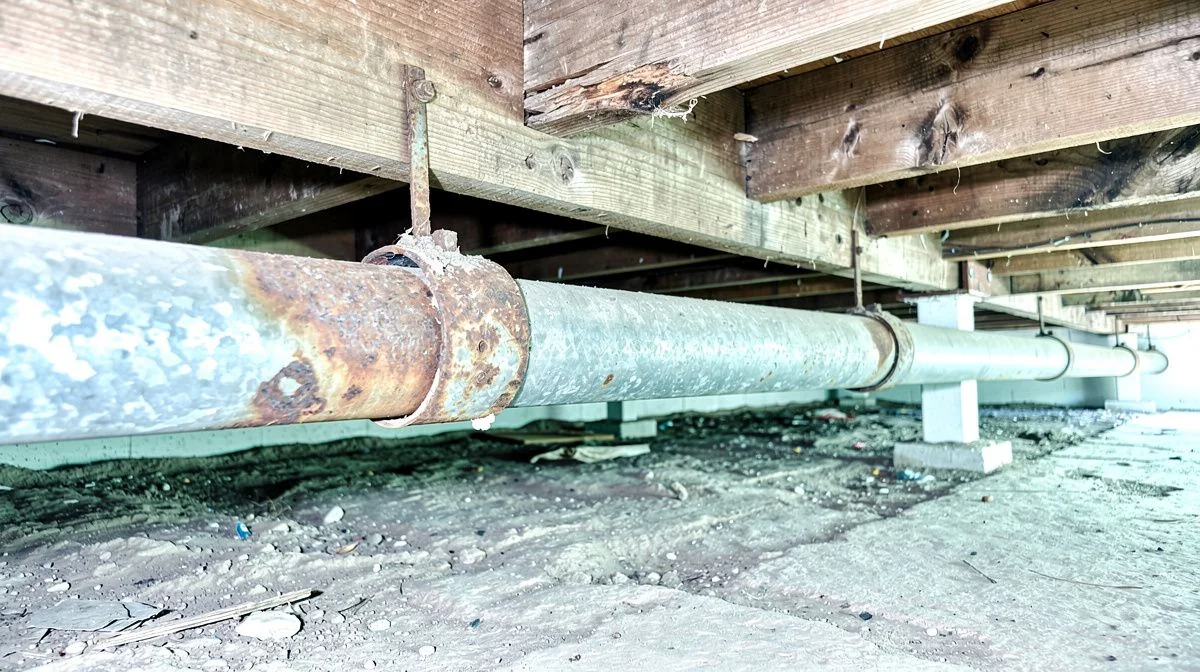
Much of the plumbing work in Lower Hutt is inherited rather than new. The villas and bungalows of the inner suburbs went up in the first half of the twentieth century, and many still carry the galvanised steel pipe that was standard at the time. Galvanised steel corrodes from the inside, so the bore narrows, pressure drops and the water discolours long before anything actually leaks. It rarely announces itself until something fails.
Pressure is the second local wrinkle. The valley's network is split into zones, and some streets run noticeably higher pressure than others, which is hard on ageing pipe, cylinder relief valves and tapware. A pressure-reducing valve is a modest cost and often the difference between a stable system and a leak that keeps coming back. If your pressure is unusually high, have it measured rather than guessing at the cause.
Where the work sits also matters. A large share of local employment is in the industrial estates along the harbour at Petone, Seaview and Gracefield, which keeps experienced firms busy on commercial contracts alongside the household market, and many residents commute, so Saturday appointments are in demand. Villas on steep or narrow sections are slower to work on, particularly once a wall or subfloor is opened. A firm that quotes without seeing the access is guessing.
How We Researched This Guide
We began with the regulatory side, because plumbing is a restricted trade and certification carries real legal weight. That means we looked at the classes administered by the Plumbers, Gasfitters and Drainlayers Board, and what separates a registered plumber from a certified one.
For pricing, we compared published New Zealand trade pricing guides, so the bands describe the market rather than one firm's rates. Local property and rent context comes from recent Hutt Valley valuation data. We verified every figure against a live source.
Our Trusted Plumbers
We feature businesses that demonstrate strong performance, proven experience, and consistently positive customer feedback. Some of the providers listed may have commercial relationships with us, but all are selected based on quality and reliability.
To begin, reach out to them and speak with them directly — this helps you explain your job, ask questions, and confirm whether they're the right fit.
Certified plumbers, gasfitters and drain-layers have 25 years of collective experience in the greater Wellington region. Reliable, trustworthy Plumbers & Gasfitters. Get help now with our dedicated team of professionals in Petone, Lower Hutt, and Wellington. We understand the need for clear communications with our customers and strive to deliver on time and on budget for every job, big or small.
The 60-Second Version
If you only read one section, read this.
- Plumbers here charge roughly $90–$160 an hour excluding GST, with $90–$140 the common band.
- A standard-hours call-out runs $70–$150 and normally includes travel and the first 30 minutes.
- After-hours call-outs are $150–$250, with labour at $160–$300 an hour and basic repairs reaching $400–$600.
- Only a certifying plumber can sign off the compliance paperwork for regulated work.
- Old galvanised pipe is the most common hidden problem in villas, and it fails from the inside out.
- Isolate the water at the toby and wait for morning unless the situation is genuinely unsafe.
What Plumbers Charge in Lower Hutt
The Wellington region sits at the top of the national range alongside Auckland and Queenstown. Expect quotes in the upper half of the bands below, particularly on older homes where access is awkward.
| Job | Typical cost (excl. GST) |
|---|---|
| Standard hourly rate | $90–$160, commonly $90–$140 |
| Call-out, standard hours | $70–$150, usually includes travel and the first 30 minutes |
| After-hours call-out | $150–$250, plus $160–$300 an hour |
| Drain unblocking | $150–$300 |
| Leaking pipe repair | $120–$250 |
| Hot water cylinder repair | $250–$450 |
| Toilet or tap repair | $120–$200 |
| Full bathroom plumbing installation | $2,000–$5,000 or more |
Ranges verified from published New Zealand trade pricing guides and provider quotes as at September 2026. Many plumbers charge a minimum covering the first hour of work.
The After-Hours Call-Out: Where the Money Goes
The most expensive habit in home plumbing is calling someone at night for something that could have waited. After-hours call-outs start at $150–$250 before any labour, and the hourly rate behind them runs $160–$300. A simple repair can cost $600 or more.
Almost all of that premium is avoidable. Find the toby — the valve where the water main enters the property — and turn it off. In the older parts of the valley, it is often near the front boundary, or under a cover by the fence line. Once you isolate the supply, an active leak becomes a static problem.
Then book a standard appointment. Unless water is reaching electrical fittings, a ceiling is sagging, or sewage is coming up through a floor waste, there is no reason to pay weekend rates. A burst pipe with the water off does no further damage while you sleep.
What a Call-Out Fee Does and Does Not Cover
A call-out fee buys the plumber's arrival, not the repair. It typically covers travel and the first 30 minutes on site. Labour after that window is charged at the hourly rate, and after-hours bookings apply the higher rate from the moment work starts.
It usually does not cover parts, a second visit if something has to be ordered, or extra labour for a job larger than described. On old villas, that last point is common, because opening a wall often reveals more than expected.
Local Factors That Shape the Job
Original Galvanised Pipework
Galvanised steel corrodes from the inside.Over decades, the bore narrows, pressure drops, and water discolours; eventually, a pinhole becomes a leak. It is the most common hidden issue in older valley villas, and it rarely announces itself until something fails.
High Pressure Zones and Old Fittings
The valley's network is split into pressure zones, and some streets run noticeably higher pressure than others. That is hard on ageing pipe, cylinder relief valves and tapware. A pressure-reducing valve is a modest cost, and often the difference between a stable system and a recurring leak.
Petone, Seaview and Gracefield
A large share of local employment sits in the industrial estates along the harbour, which generates commercial plumbing work alongside the residential market. It also means experienced firms are available, though capacity for small household jobs varies. Many households here commute, so Saturday appointments are in demand.
Who Can Certify Plumbing Work
Plumbing authorisation is divided into classes. A registered plumber is licensed to carry out plumbing work. A certifying plumber can do that and also certify it, and only a certifier's sign-off meets the compliance requirements for regulated work.
That distinction has teeth. Sanitary plumbing, drainage and water supply work requiring certification cannot be legally completed by someone who is registered but not certifying. If your job needs paperwork, the person doing the job has to be able to produce it.
Ask at the quoting stage: are you a certifying plumber, and will you certify this work? A buyer's inspector will also ask to see certification when the house is sold.
Repair or Replace a Hot Water Cylinder
A cylinder failure is rarely all-or-nothing. Repair typically costs $250–$450. Replacement costs more, but it renews the whole unit rather than one component, and it is the only option once the tank itself has failed.
Repair is the right call when the fault is a serviceable part: an element, thermostat, relief valve, tempering valve, or leaking fitting at the top. In those cases, the tank itself is still sound.
Replacement is the right call when the shell is leaking, rust is visible on the body, the base is weeping, or the cylinder is already old. A leaking shell cannot be patched reliably, and a plumber who offers to try is not doing you a favour.
If a repair lands near the top of the $250–$450 band and the unit is near the end of its life, the money buys only a short extension. Applying it to a new, better-insulated cylinder of the correct size is the more sensible purchase.
Choosing a Plumber in Lower Hutt
Lead with the licence question if your job needs certification, then ask about access. Villas on steep or narrow sections are slower to work on, and a firm that quotes without seeing the site may revise the price once it arrives.
Ask for the call-out fee and the hourly rate as separate numbers, and ask whether an initial visit is diagnosis only. On a house with original galvanised pipe, finding the fault can take longer than fixing it.
Warning Signs
- No licence class given. A tradesperson should state whether they are registered or certified without hesitation.
- A quote that ignores access. Subfloor and wall cavities in old villas add time, so a suspiciously low number usually means they weren't considered.
- Pressure to replace a repairable cylinder. Ask exactly where the leak is before agreeing to anything.
- No written description of the call-out fee. You should know what the first 30 minutes cost and what follows them.
- Reluctance to put anything in writing. It matters for warranties and for certification records.
Questions You Might Have
How do I know if I have galvanised pipes?
They are grey and dull rather than bright copper, and a magnet will grip them. Look under the house or where the main enters. If they are original and the water is discoloured, get them assessed.
Can a plumber fix a leak without cutting the wall?
Sometimes, if the leak is at an accessible fitting, a leak inside a wall or under a slab usually means opening something up, and the honest answer is that it reveals itself as the job progresses.
Should I replace all the old pipe at once?
If large sections are failing, staged replacement is often cheaper over time than repeated call-outs. Ask for a written scope so you can compare it against fixing problems one at a time.
Does high water pressure need fixing?
If measured pressure at the tap is well above what the network expects, a pressure-reducing valve protects your cylinder, tapware and appliances. It is a small job with a long payback.
What Matters Most
Lower Hutt's plumbing problems are mostly inherited ones. Old pipes, high-pressure zones and a housing stock well into its second century mean the expensive failures are usually the ones left too long rather than the ones that arrived without warning.
Handle the basics well: know where your toby is, avoid the after-hours rate for anything that can wait, and confirm your plumber can certify the work they are about to do. For a wider look at the trade and what different jobs cost, see our guide to plumbers in New Zealand.

The ValueHub Team built this site because finding clear, unbiased financial information in New Zealand was harder than it should be. Every guide is based on real research — we compare the actual fees, terms, and fine print so you don't have to. Our tip: shop around every year, read the policy docs, and never assume loyalty gets you the best deal.— The ValueHub Team
More Plumbers in Lower Hutt
These businesses also operate in this area.
With a passion for excellence, Plumb-Bing provides a fast, friendly, reliable and honest service for our clients across Upper Hutt and the wider Hutt Valley. If you want a quality job done the first time, our friendly team can help.
Try our Calculators
Use these free tools to crunch the numbers:
KiwiSaver Fund Comparison
Compare fees, returns, and risk levels across every KiwiSaver fund — the most up to date data in New Zealand.
Currency Converter — USD to NZD
Convert US Dollars to New Zealand Dollars instantly. See the latest exchange rate and 30-day trend.
Mortgage Repayment Calculator
Calculate your weekly, fortnightly, or monthly mortgage repayments. Free NZ mortgage calculator — try different rates, terms, and repayment frequencies.
Compound Interest Calculator
See how your savings grow with compound interest over time. Free NZ compound interest calculator with yearly, monthly, and weekly compounding options.
Term Deposit Calculator
Calculate your term deposit returns before you lock in. Compare interest earned across different terms and rates with ValueHub's free calculator.
Savings Goal Calculator
Calculate how long it will take to reach your savings goal — and what monthly deposit you need to get there. Free NZ savings planner.
Plumbers in Other Cities
Latest Guides & Reviews
SuperLife KiwiSaver Scheme Review
SuperLife KiwiSaver review: 65 open funds, fund charges from 0.20 to 1.30 per cent, and net returns to 30 June 2026.
reviewSuperEasy KiwiSaver Scheme Review
SuperEasy KiwiSaver review: 8 open funds, a 0.32 per cent fund charge, and net returns to 31 March 2026.
reviewWestpac KiwiSaver Scheme Review
Westpac KiwiSaver review: 8 open funds, fund charges from 0.25 to 0.70 per cent, and net returns to 30 June 2026.
reviewANZ KiwiSaver Scheme Review
Review of ANZ KiwiSaver. Three schemes, fees from 0.22 per cent, the closed Default scheme, OneAnswer and the Lifetimes option.