Best Plumbers in Tauranga
Published 11 September 2026 · Written by the ValueHub team · Reviewed by Steve Baron
Salt, Hard Water and Older Pipes
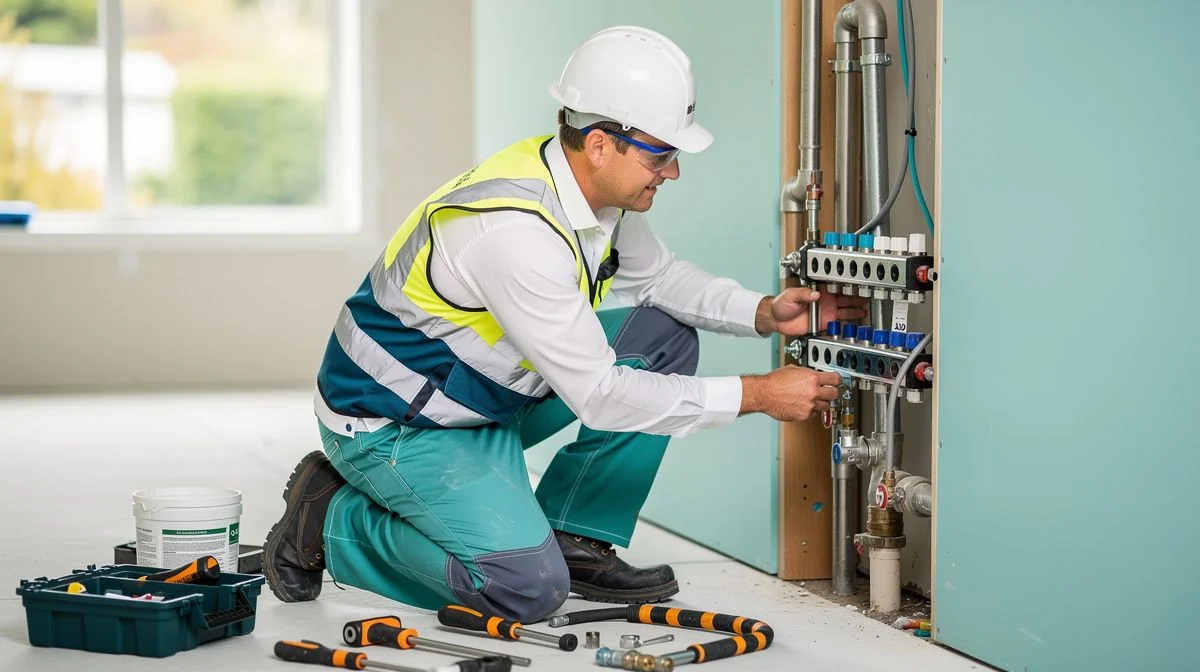
Tauranga is a coastal city, and that shapes almost every plumbing job here. Salt-laden air works on metal fittings, cylinder tops and exposed pipework year after year, while the water carries enough mineral content to leave scale inside cylinders and tapware. Both shorten the life of components owners rarely think about until something leaks. Maintenance intervals here are shorter than inland, and the money is in catching problems before they become emergencies.
The housing stock is the other half of the story. Much of the city was built in the seventies and eighties, which puts original pipework at the end of its realistic life, and the population is older than the national average. That combination produces steady demand for maintenance, grab rails, easier-access showers and low-maintenance tapware rather than large new installations. On a house of that era, expect the fault to be somewhere other than where the symptom appears.
Beyond the suburbs, the city is ringed by kiwifruit orchards, lifestyle blocks and packhouse operations, and the Port of Tauranga drives commercial work. Rural and semi-rural properties add pump lines, tank supply and long runs of buried pipe, which are priced differently from a suburban repair. Traffic also matters: a plumber based in the west can be a long drive from Papamoa at peak times, and travel lands on your invoice. Ask about the call-out fee before you book.
How We Researched This Guide
We started with the licensing rules, because plumbing is a restricted trade and getting it wrong has consequences that outlast the invoice. That meant the classes administered by the Plumbers, Gasfitters and Drainlayers Board, and the practical difference between a registered plumber and a certifying one.
Price ranges come from published New Zealand trade pricing guides and provider quotes, compared against each other so the bands describe the market rather than one firm's rate card. Local context comes from recent Tauranga valuation data. We verified every figure against a live source.
Our Trusted Plumbers
We feature businesses that demonstrate strong performance, proven experience, and consistently positive customer feedback. Some of the providers listed may have commercial relationships with us, but all are selected based on quality and reliability.
To begin, reach out to them and speak with them directly — this helps you explain your job, ask questions, and confirm whether they're the right fit.
Your trusted local plumbers and gasfitters in Tauranga and Bay of Plenty. Call Bay Brothers today. Call now. Craftsman plumbing & gas fitting experts. We offer quality plumbing and gas fitting services to Tauranga, Mount Maunganui and the wider Bay of Plenty region. Provided by a licensed certified plumber and gas fitter with extensive industry experience.
The 60-Second Version
If you read nothing else, read this.
- Local plumbers charge roughly $90–$160 an hour excluding GST, with $90–$140 the common band.
- A standard-hours call-out is $70–$150 and usually covers travel plus the first 30 minutes.
- After-hours call-outs run $150–$250, with labour at $160–$300 an hour, and a basic repair reaching $400–$600.
- Only a certifying plumber can sign off compliance paperwork for regulated work.
- If water is escaping somewhere you can isolate, turn it off at the mains and wait for morning.
- Coastal salt and hard water shorten the life of fittings, so maintenance intervals here are shorter than inland.
What Plumbers Charge in Tauranga
Bay of Plenty rates sit below Auckland and Wellington but above the smallest provincial centres. The bands below are what a quote should look like, not what one firm happens to charge.
| Job | Typical cost (excl. GST) |
|---|---|
| Standard hourly rate | $90–$160, commonly $90–$140 |
| Call-out, standard hours | $70–$150, usually includes travel and the first 30 minutes |
| After-hours call-out | $150–$250, plus $160–$300 an hour |
| Drain unblocking | $150–$300 |
| Leaking pipe repair | $120–$250 |
| Hot water cylinder repair | $250–$450 |
| Toilet or tap repair | $120–$200 |
| Full bathroom plumbing installation | $2,000–$5,000 or more |
Ranges verified from published New Zealand trade pricing guides and provider quotes as at September 2026. Many plumbers charge a minimum that includes the first hour of work.
The After-Hours Call-Out Is Where People Get Stung
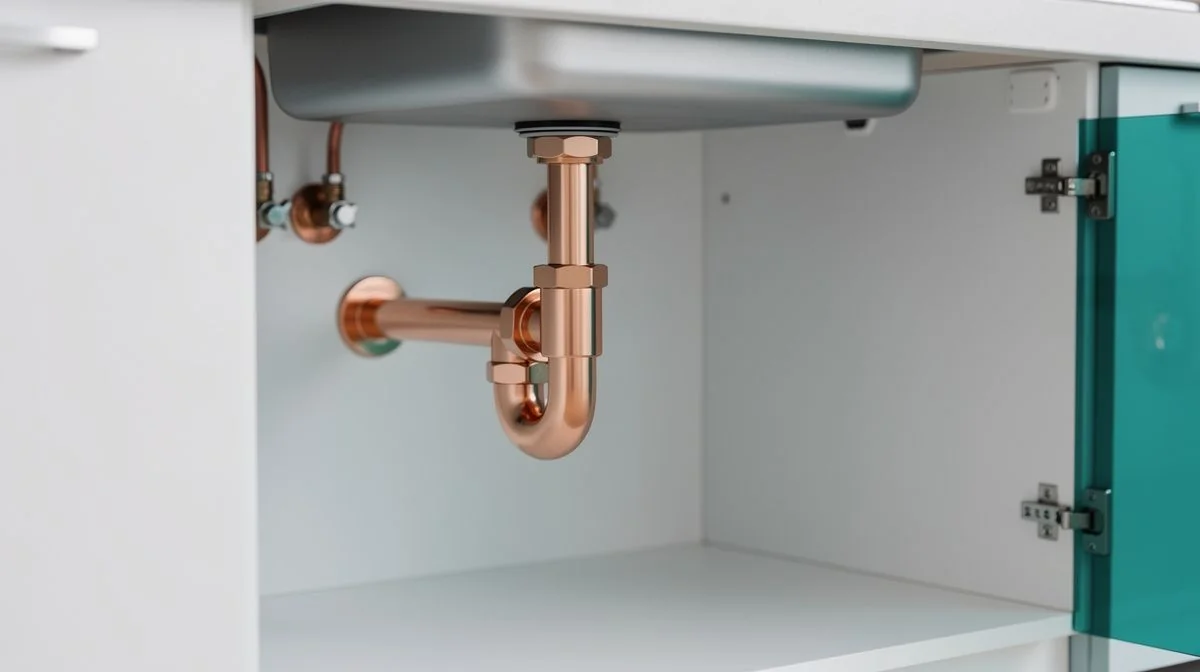
Most of the money people regret spending on plumbing goes between nine at night and seven in the morning. A burst flexi hose at eleven feels like an emergency, and it is priced like one. The same job booked for half past eight costs a fraction as much.
The fix is rarely technical. Find your toby — the valve where water enters the property — and turn it off. It is often near the front boundary, in a small box by the fence. Once the water is off, a leak stops being an emergency and becomes a job.
Then wait. Unless water is threatening wiring, a ceiling is about to give way, or sewage is backing into the house, it can wait until daylight. A plumber who honestly tells you it can wait is worth keeping.
What a Call-Out Fee Does and Does Not Cover
A call-out fee is not payment for the repair. It covers the plumber getting to you — travel, fuel and the first slice of labour, most commonly the first 30 minutes. Everything after that is billed at the hourly rate.
What it usually excludes: parts, labour beyond the included window, after-hours loadings, and a second visit if something has to be ordered. Many plumbers also apply a minimum covering the first full hour, so ask about that when you book.
Local Factors That Shape the Job
Hard Water and Salt Together
The region's water leaves mineral deposits inside cylinders, on elements and around tap washers, while coastal salt attacks exposed copper, galvanised fittings and outdoor taps. Scale insulates the element, so the cylinder works harder and fails sooner. Salt shortens the life of anything outdoors.
Older Homes and Older Owners
Much of Tauranga's housing dates from the seventies and eighties, which puts original pipework at the end of its realistic life. The population is also older than the national average, so requests lean toward grab rails, easier-access showers, low-maintenance tapware and cylinders sized for two people rather than five.
Horticulture, the Port and Lifestyle Blocks
The city is ringed by kiwifruit orchards, lifestyle blocks and packhouse operations, and the Port of Tauranga drives commercial work. Rural and semi-rural properties add pump lines, tank supply and long runs of buried pipe, which are priced differently from a suburban repair.
Who Is Allowed to Certify the Work
Plumbing authorisation is split into classes. A registered plumber can carry out plumbing work. A certifying plumber can also certify it, and only a certifier's sign-off satisfies the compliance requirements for regulated work.
In practice, sanitary plumbing, drainage and water supply work that requires certification cannot be legally completed by someone who is registered but not certifying. If the job needs paperwork, the person doing it must be able to produce it.
Ask before booking: are you a certifying plumber, and will you certify this work? Certification also protects you at sale time, when an inspector asks for records. For anything significant, check the licence on the Plumbers, Gasfitters and Drainlayers Board register.
Repair or Replace the Hot Water Cylinder?
A cylinder rarely fails as a whole unit. A repair typically costs $250–$450. A replacement costs more, but it resets the clock on the entire system rather than one component.
Repair makes sense when the fault is outside the tank itself: a failed element, a thermostat, a relief valve, or a leaking fitting at the top. Those are serviceable parts, and the tank beneath them is still sound.
Replace when the shell itself is leaking, when rust is visible on the tank body, or when the base is weeping. A leaking shell cannot be patched reliably, and no honest plumber will offer to try.
When a repair sits near the top of the $250–$450 band and the unit is old, the money buys only a few more months. Putting it toward a newer, better-insulated cylinder is the clearer choice. Ask where it is leaking and how old it is.
Choosing a Plumber in Tauranga
Start with the licence class if your job needs certification, then ask which part of the city the firm covers. Tauranga's geography means a plumber based in the west can be a long drive from Papamoa at peak traffic, and travel time lands on your invoice.
Ask for the call-out fee and the hourly rate separately, and ask whether the first visit will be diagnosis or repair. On older properties, the fault is not always where the symptom appears.
Warning Signs
- No licence details offered. Every tradesperson should be able to give their name and licence class without hesitation.
- Pressure to replace rather than repair. Ask where the fault is and get the answer in plain terms before agreeing to anything.
- A call-out fee with no definition. It should state what it covers, including whether the first 30 minutes are included.
- Cash-only pricing and no invoice. Paperwork matters for warranties and certification records.
- After-hours framing on a daytime job. Urgency is a legitimate charge; manufactured urgency is not.
Questions You Might Have
Can I turn my water off myself?
Yes, and you should know how before you need to. Find the stopcock at the boundary and test it once, so you are not learning under pressure with water coming through a ceiling.
Do I need a plumber to change a tap?
Replacing a tap washer or a shower mixer is within reach of many homeowners. Anything involving a new connection, altered pipework or a cylinder is not, and if it needs certification, a certifier has to do it.
Is a leaking cylinder an emergency?
Only if it is leaking from the shell with the water still on, isolate it and book a standard appointment. If the cylinder is your only hot water supply, you can manage a night without it.
Why is my pressure different from my neighbour's?
Elevation, pipe diameter and the condition of the supply line all play a part, and older galvanised pipe narrows internally with age. A plumber can measure it and tell you whose side of the boundary the problem is on.
What Matters Most
Most plumbing bills are decided before the plumber arrives — by whether you turned the water off, whether you called at eleven at night, and whether you understood what the call-out fee covered.
Then there is the decision worth thinking about properly. Get a straight answer about where the cylinder is leaking and how old it is, and the repair-or-replace question usually answers itself.
For more on how the trade is licensed and what different jobs should cost, see our main guide to plumbers in New Zealand.

The ValueHub Team built this site because finding clear, unbiased financial information in New Zealand was harder than it should be. Every guide is based on real research — we compare the actual fees, terms, and fine print so you don't have to. Our tip: shop around every year, read the policy docs, and never assume loyalty gets you the best deal.— The ValueHub Team
More Plumbers in Tauranga
These businesses also operate in this area.
Reliable residential and commercial plumbers, gasfitters and solar experts. We offer fast gasfitting and plumbing services and plumbing repairs in Tauranga. Fast & reliable service in the Bay of Plenty, the highest quality brands and a Master Plumbers Guarantee you can depend on. For exceptional plumbing service you can rely on, contact Eco.
Kingfisher Plumbing handles all aspects of plumbing, drainage and gasfitting. The Tauranga plumbers provide a high quality service at competitive rates. Plumber Tauranga | Plumbing, Gasfitting & Drainlaying | Kingfisher Plumbing. Looking for a reliable plumber in Tauranga?
Try our Calculators
Use these free tools to crunch the numbers:
KiwiSaver Fund Comparison
Compare fees, returns, and risk levels across every KiwiSaver fund — the most up to date data in New Zealand.
Currency Converter — USD to NZD
Convert US Dollars to New Zealand Dollars instantly. See the latest exchange rate and 30-day trend.
Mortgage Repayment Calculator
Calculate your weekly, fortnightly, or monthly mortgage repayments. Free NZ mortgage calculator — try different rates, terms, and repayment frequencies.
Compound Interest Calculator
See how your savings grow with compound interest over time. Free NZ compound interest calculator with yearly, monthly, and weekly compounding options.
Term Deposit Calculator
Calculate your term deposit returns before you lock in. Compare interest earned across different terms and rates with ValueHub's free calculator.
Savings Goal Calculator
Calculate how long it will take to reach your savings goal — and what monthly deposit you need to get there. Free NZ savings planner.
Plumbers in Other Cities
Latest Guides & Reviews
Kōura KiwiSaver Scheme Review
Kōura KiwiSaver review: 13 open funds, fund charges from 0.63 to 1.10 per cent, and net returns to 30 June 2026.
reviewMaritime KiwiSaver Scheme Review
Maritime KiwiSaver review: 3 open funds, fund charges from 0.61 to 0.76 per cent, and net returns to 31 March 2026.
reviewMAS KiwiSaver Scheme Review
MAS KiwiSaver review: 7 open funds, fund charges from 0.25 to 0.98 per cent, and net returns to 30 June 2026.
reviewArotahi KiwiSaver Scheme Review
Arotahi KiwiSaver review: 1 open fund, a 0.77 per cent fund charge, and net returns to 31 March 2026. What the Government register shows you pay and get back.