Best Roofers in Palmerston North
Published 11 September 2026 · Written by the ValueHub team · Reviewed by Steve Baron

Roofing in Palmerston North: Hail, Wind and a Lot of Tired Tile
Manawatū weather arrives across open country with little to slow it down. Hail bruises and cracks roofs, and wind works at ridges, fixings and flashings, both doing more damage here than in a city sheltered by hills or coastline. Hail also behaves differently depending on what is overhead. On tile it cracks and breaks, opening a path for water. On steel it dents, which is largely cosmetic, and the roof keeps shedding water as it should.
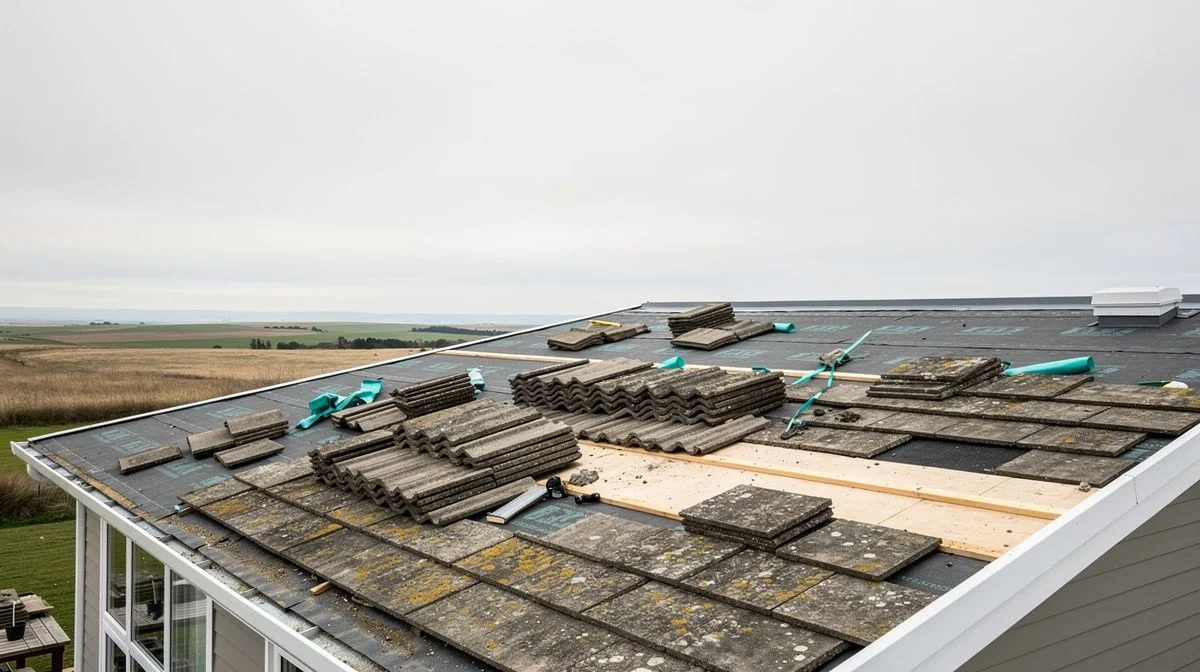
The city also carries a large stock of homes built in the seventies. Many still wear decramastic or concrete tile roofs that are well past their working life. These roofs rarely fail dramatically. They erode one tile at a time until repair stops making sense, and matching tiles get harder to source as the covering ages. Concrete tile is heavy, so if you are weighing up a switch to steel, ask what the change means for the framing before anyone orders materials.
Underlay and battens are the parts you will never see again, and on a hail-exposed roof they are what protects you. Both sit beneath the covering and cannot be reached later, which makes a re-roof the only practical moment to renew them. Get the specification in writing, and confirm how the old tile will be removed and disposed of, because stripping tile takes longer and produces far more waste than steel.
How We Researched This Guide
We started with published roof replacement pricing for New Zealand, then tested it against local realities: hail exposure, the weight of the old covering, and how much must be removed first. Where sources disagree, we give the range.
We also separated the roof from the work around it. Waste disposal, access and the material underneath are where quotes pull apart, and they are the items owners usually learn about after signing. Every figure here comes from a verified source.
Our Trusted Roofers
We feature businesses that demonstrate strong performance, proven experience, and consistently positive customer feedback. Some of the providers listed may have commercial relationships with us, but all are selected based on quality and reliability.
To begin, reach out to them and speak with them directly — this helps you explain your job, ask questions, and confirm whether they're the right fit.

Roofing Industries | NZ's Metal Roofing & Cladding Manufacturer New Zealand's leading metal roofing & cladding manufacturer Locally designed and manufactured metal roofing, cladding, fencing and rainwater products for residential and commercial application.
The 60-Second Version
If you read only one section, read this.
- A full replacement on a standard home runs $15,000 to $45,000, and complex homes can pass $55,000.
- Long-run steel costs $90 to $180 per m² installed and is rated for 40 to 60 years inland.
- Strip-and-dispose adds roughly 25 per cent. A steep roof adds roughly 10 per cent.
- Scaffolding is a separate cost and is often left out of a quote.
- Concrete tile is heavy. If you swap tile for steel, ask whether the framing needs work first.
- Hail cracks tile but only dents steel, and a dented sheet is cosmetic, whereas a cracked tile leaks.
What a Re-Roof Costs in Palmerston North
Pricing is per square metre of roof surface rather than floor area, so a compact house with a steep pitch can carry more roofing than a larger house with a shallow one. Material choice sets most of the cost.
| Roof material | Installed cost per m² |
|---|---|
| Long-run steel (corrugated or pre-painted) | $90–$180 |
| Standing seam | $150–$250 |
| Metal tiles (pressed or stone-coated) | $110–$230 |
| Concrete tiles | $120–$250 |
| Clay tiles | $150–$350 or more |
| Membrane or flat roof | $180–$280 |
Indicative guide prices for supplied and installed roofing, verified against current published New Zealand trade pricing. Figures exclude GST unless stated. Every property differs, so always obtain a written quote.
A complete replacement on a standard home lands between $15,000 and $45,000, and a large or complex house can exceed $55,000. When a tile roof is coming off, the total tends to sit at the upper end, because stripping tile takes longer and produces far more waste.
Strip-and-Dispose, Steep Roofs and Scaffolding
Stripping and disposing of the old roof adds roughly 25 per cent. That covers removing the covering, sorting the waste and carting it away. If a quote does not mention strip-and-dispose, either it is folded into the square-metre rate or the roofer intends to lay over the old covering, which traps every hidden fault beneath it.
A steep or complex roof adds roughly 10 per cent. Steep pitch slows the work and demands fall protection. Complex roofs with hips, valleys and multiple penetrations add cutting and flashing time that a simple gable never has.
Scaffolding is the most commonly under-quoted line on any job. It is a high separate cost on most two-storey homes, and it can move quotes by thousands of dollars. Confirm whether scaffolding is included, who arranges it, and whether the price is fixed or an allowance that will be adjusted once the crew is on site.
Why Most Palmerston North Re-Roofs Go to Steel
Long-run steel is the default choice in New Zealand, and its lifespan helps explain why. It is rated for 40 to 60 years inland, longer than most owners will stay in the house. Metal tiles offer 40 to 50 years and concrete tiles 50 years or more, but both are heavier and slower to lay.
Weight matters here because so much local stock carries tile. Moving from concrete tile to steel removes a considerable load from the roof structure, and often avoids the extra framing work a like-for-like tile replacement needs.
Steel also handles hail differently. Hail dents a sheet, but the sheet still sheds water, and the roof keeps working. A cracked tile lets water into the underlay, and once several tiles crack across a hail season, the repair list stops shrinking.
Signs It Is Time to Re-Roof
On a hail-exposed roof, cracked tiles are the first warning. On metal, watch for rust bleeding through the sheet and fixings that have worked loose. Persistent leaks in the same place, failed ridge caps and softness underfoot point the same way, and a roof patched more than once is ready for assessment.
- Cracked or broken tiles after a hail storm.
- Rust through the sheet, especially along laps and around fixings.
- Leaks that return after repair, which usually means failed underlay.
- Lifted or unsealed ridge caps and flashings.
- Soft or springy areas underfoot, which can point to battens or framing.
- An inspection costs $300 to $500, which is modest next to a full replacement.
Local Factors That Shape a Manawatū Re-Roof
Hail and Its Two Damage Patterns
Hail behaves differently depending on what is overhead. On tile, it cracks and breaks, opening a path for water. On steel, it dents, which is largely cosmetic and rarely affects performance. That is one reason hail-prone roofs so often move to steel rather than replacing like with like.
Decramastic Roofs Reaching the End
The pressed metal tile roofs common on homes from the seventies were lightweight and cheap to install, and many have served well. Their weakness is the surface coating, which degrades over time and exposes the metal beneath. As these roofs age, matching tiles get harder to source, and patching becomes a losing game.
Concrete Tile Weight and Framing
Concrete tiles are heavy, and the framing beneath was designed for that weight. Replacing tile with tile usually leaves the structureas-iss. Switching materials is different: the roofer and a builder must confirm what the new load means for the existing structure before anyone orders.
A Large Stock of Seventies Housing
Homes built in the seventies make up a big share of the city, and many are reaching the point where the original underlay and battens are past their useful life. A re-roof is the only practical moment to renew them, because both sit beneath the covering and cannot be reached later.
Careful Spending and Steady Employment
Rural services, food processing and logistics keep employment steady here, and a re-roof is a large outlay that owners weigh carefully. Comparing quotes on the same scope matters more than chasing the lowest number.
How to Choose a Roofer in Palmerston North
Ask what is going underneath before you discuss the covering. Underlay and battens are invisible once the job is finished and are the first thing a cheap quote drops. Failed underlay is the reason a young-looking roof leaks.
If you're going with tile, ask what happens to the framing and whether the roofer has checked it. If you are switching to steel, ask how the transition is handled at flashings and ridges, and ask for the hail performance of whatever is proposed. Ask what exposure the roof sits in, too. Even inland, roofing sits in defined corrosion and wind zones, and coastal addresses need different fixings and coatings because salt attacks fasteners and cut edges.
Warning Signs
- A quote that never mentions scaffolding.
- No product names or specifications for sheeting, underlay or fixings.
- Cash-only pricing with no written contract.
- A price far below every other quote for the same scope.
- No mention of how they will remove and dispose of the old tile.
Questions You Might Have
Will my insurance cover a hail-damaged roof?
Sometimes, depending on your policy and how the damage is assessed. It is worth checking before you accept a quote, because repairs or replacement following a storm event may be partly covered. Talk to your insurer before work begins, not after.
Can I roof over the old covering?
It saves the strip-and-dispose cost but hides the battens and underlay you cannot inspect once it is covered. On an older roof in this city, where the underlay often fails, that saving usually costs more later.
How long does the job take?
A straightforward long-run steel re-roof on a standard home is usually days on site once materials and scaffolding are ready. Stripping and disposing of a heavy tile roof adds time, and wind stops work at height.
What Matters Most
On a hail-exposed roof, the specification is what protects you. Underlay, battens and fixings are invisible once the sheets are down, yet they decide whether the covering lasts four decades or fails in ten.
For Palmerston North owners, the sensible approach is to confirm what goes underneath, check how the old covering will be removed, and insist that scaffolding and strip-and-dispose are stated plainly in writing. Then compare three quotes on the same scope. Our roofers trade hub shows how these costs vary around the country.

The ValueHub Team built this site because finding clear, unbiased financial information in New Zealand was harder than it should be. Every guide is based on real research — we compare the actual fees, terms, and fine print so you don't have to. Our tip: shop around every year, read the policy docs, and never assume loyalty gets you the best deal.— The ValueHub Team
Try our Calculators
Use these free tools to crunch the numbers:
KiwiSaver Fund Comparison
Compare fees, returns, and risk levels across every KiwiSaver fund — the most up to date data in New Zealand.
Currency Converter — USD to NZD
Convert US Dollars to New Zealand Dollars instantly. See the latest exchange rate and 30-day trend.
Mortgage Repayment Calculator
Calculate your weekly, fortnightly, or monthly mortgage repayments. Free NZ mortgage calculator — try different rates, terms, and repayment frequencies.
Compound Interest Calculator
See how your savings grow with compound interest over time. Free NZ compound interest calculator with yearly, monthly, and weekly compounding options.
Term Deposit Calculator
Calculate your term deposit returns before you lock in. Compare interest earned across different terms and rates with ValueHub's free calculator.
Savings Goal Calculator
Calculate how long it will take to reach your savings goal — and what monthly deposit you need to get there. Free NZ savings planner.
Roofers in Other Cities
Latest Guides & Reviews
Kōura KiwiSaver Scheme Review
Kōura KiwiSaver review: 13 open funds, fund charges from 0.63 to 1.10 per cent, and net returns to 30 June 2026.
reviewMaritime KiwiSaver Scheme Review
Maritime KiwiSaver review: 3 open funds, fund charges from 0.61 to 0.76 per cent, and net returns to 31 March 2026.
reviewMAS KiwiSaver Scheme Review
MAS KiwiSaver review: 7 open funds, fund charges from 0.25 to 0.98 per cent, and net returns to 30 June 2026.
reviewArotahi KiwiSaver Scheme Review
Arotahi KiwiSaver review: 1 open fund, a 0.77 per cent fund charge, and net returns to 31 March 2026. What the Government register shows you pay and get back.