Best Scaffolders in Kapiti
Published 07 April 2025 · Updated 18 August 2026
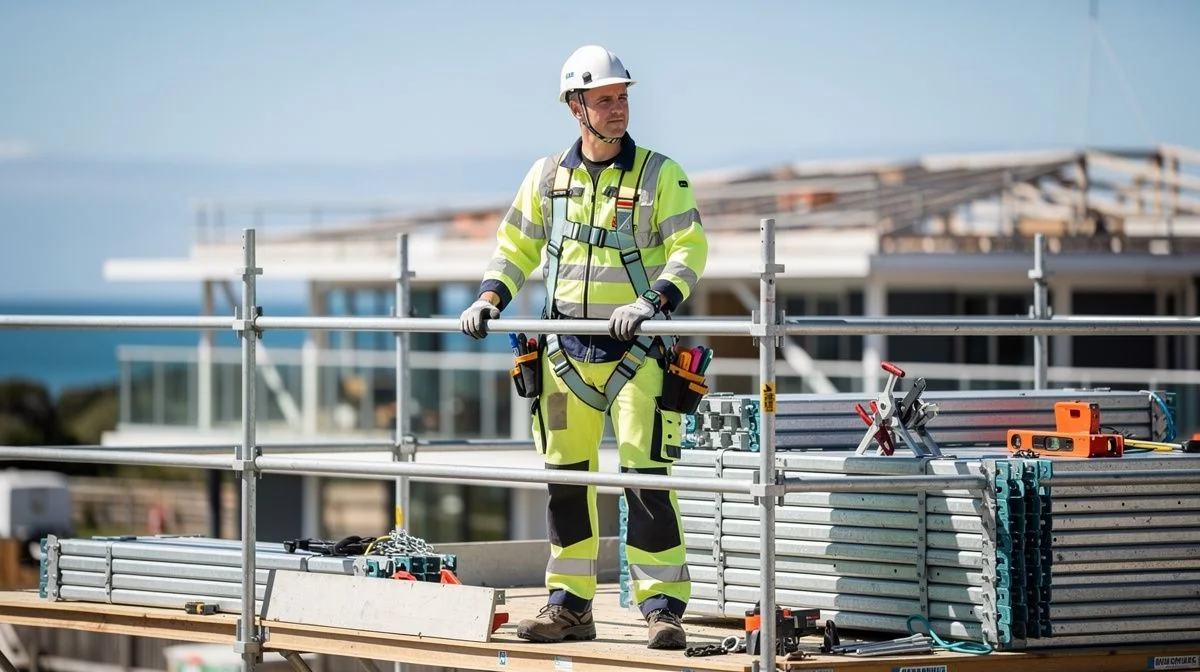
Best Scaffolders in Kapiti
If you’re planning any kind of construction or maintenance work around the Kapiti Coast – from a new build in Paraparaumu to a re-clad in Waikanae – you’ll almost certainly need scaffolding. Getting a good scaffolder isn’t just about finding someone with a stack of pipes and planks. It’s about safety, reliability, and knowing who’s licensed to work on the Coast.
Kapiti has its own set of challenges: coastal winds, tricky access on some older properties, and local council rules that can differ from Wellington city. The good news is there are plenty of experienced scaffolders serving the region. The trick is knowing how to pick the right one for your job.
Below we’ll run through what to look for, what to ask, and how to get the best result – without any of the fluff.
What to look for when hiring a Scaffolder in Kapiti
Scaffolding might look simple, but getting it wrong can lead to serious accidents or costly delays. Here’s what really matters when you’re choosing a scaffold provider in Kapiti:
- Current licensing and certifications – In New Zealand, scaffolders need to be licensed under the Licensed Building Practitioner (LBP) scheme if they’re doing building work on site. For scaffolding itself, the industry standard is the Site Safe scaffolding card or equivalent. Ask to see their credentials. If they can’t produce them, walk away.
- Experience with coastal conditions – Kapiti’s weather can be gusty, especially near the coast. A good scaffolder will know how to tie down structures properly, use additional bracing, and account for wind loads. Ask if they’ve worked on properties similar to yours – especially on exposed sections.
- Public liability insurance – Every scaffolder should hold at least $1 million in public liability insurance. Check they can provide a current certificate. This covers you if anything goes wrong on site or damages a neighbours property.
- Health and safety paperwork – A reputable company will provide a Site Specific Safety Plan (SSSP) and a Safe Work Method Statement (SWMS). This shows they’ve thought through the risks of your particular job – from pedestrian access to overhead power lines.
- Local knowledge – Council requirements in Kapiti can vary. For example, if scaffolding overhangs a footpath or road, you may need a traffic management plan or a permit from the Kāpiti Coast District Council. A local scaffolder will already know the drill.
- References and reviews – Don’t rely on a website gallery. Ask for recent references – ideally from jobs near you. Check Google Reviews or local Facebook community groups for honest feedback.
Key questions to ask before hiring
Once you’ve shortlisted a few scaffolders, it’s time to get specific. Asking the right questions upfront saves headaches later. Here are the ones that matter:
- Are you licensed and insured? – Simple but critical. Ask for their LBP number and insurance certificate. If they hesitate, move on.
- How long will the scaffold be up for? – Some jobs need scaffolding for a week, others for months. Clarify whether the quoted price covers the full duration or if there are extra charges for extended hire.
- What’s included in the quote? – Is delivery, setup, dismantling, and any permits included? Are there charges for modifications if your builder changes the plan mid-job? Get everything in writing.
- How do you handle weather delays? – High winds can stop erection or dismantling. Ask if they’ll work flexibly around the forecast and whether there’s a cancellation policy.
- Can you provide a site-specific safety plan? – Any reputable company should be able to produce this before work starts. It’s not just a piece of paper – it’s your protection.
- Do you have experience with this type of structure? – A steep roof, a heritage villa, or a multi-storey townhouse all need different rigging. Make sure they’ve done similar work before.
- What’s your communication process? – Who’s the main contact? Will they update you about any issues? A good scaffolder keeps you in the loop.
Tips for getting the best results
Even with a great scaffolder, a little preparation goes a long way. Here’s how to set yourself up for a smooth experience:
- Plan ahead – Scaffolders are often booked weeks in advance, especially during spring and summer. Contact them as soon as you know your construction schedule.
- Clear the area – Before the delivery truck arrives, move cars, bins, garden furniture, and anything else that might be in the way. This saves time and reduces the risk of damage.
- Talk to your neighbours – If scaffolding is going over their boundary or blocking their driveway, give them a heads up. A quick conversation avoids complaints.
- Check the scaffold before work starts each day – Once it’s set up, walk around and make sure it looks solid. Report any loose boards or damaged components immediately.
- Don’t modify the scaffold – Never add planks, move ladders, or remove guardrails yourself. Only the scaffolder should alter the structure.
- Use the same scaffolder for the whole project – If your project goes on for months, changing companies mid-way can create compatibility issues or safety gaps. Stick with one provider.
- Keep your council permit handy – If you need one, display it clearly on site. This avoids fines and shows you’re doing things properly.
A note about costs and getting quotes
Scaffolding costs in Kapiti vary depending on the size, height, duration, and complexity of the job. A small domestic job – say, a two-storey house for a re-paint – can cost anywhere from $1,500 to $4,000 for a weekly hire, including setup and removal. Larger commercial or multi-storey projects will be considerably more.
Always get at least three quotes. This gives you a sense of the market rate and helps you spot any outliers – either suspiciously cheap or surprisingly expensive. When comparing quotes, check what’s included: delivery, labour, safety gear, permits, and any extras like cantilevered sections or stair towers.
Price shouldn’t be the only factor. A cheap quote from a company without proper insurance or licensing could end up costing you more in the long run – through fines, accidents, or rework. Look for value, not just a low number.
Finally, ask for a written contract that outlines the scope of work, timeline, payment schedule, and cancellation terms. This protects both you and the scaffolder, and keeps everyone on the same page.
With the right approach, you’ll find a scaffold professional who knows the Kapiti Coast, meets all safety standards, and gets your project off the ground – safely and on time.

The ValueHub Team built this site because finding clear, unbiased financial information in New Zealand was harder than it should be. Every guide is based on real research — we compare the actual fees, terms, and fine print so you don't have to. Our tip: shop around every year, read the policy docs, and never assume loyalty gets you the best deal.— The ValueHub Team
Try our Calculators
Use these free tools to crunch the numbers:
KiwiSaver Fund Comparison
Compare fees, returns, and risk levels across every KiwiSaver fund from all 31 NZ providers.
Currency Converter — USD to NZD
Convert US Dollars to New Zealand Dollars instantly. See the latest exchange rate and 30-day trend.
Mortgage Repayment Calculator
Calculate your weekly, fortnightly, or monthly mortgage repayments. Free NZ mortgage calculator — try different rates, terms, and repayment frequencies.
Compound Interest Calculator
See how your savings grow with compound interest over time. Free NZ compound interest calculator with yearly, monthly, and weekly compounding options.
Term Deposit Calculator
Calculate your term deposit returns before you lock in. Compare interest earned across different terms and rates with ValueHub's free calculator.
Savings Goal Calculator
Calculate how long it will take to reach your savings goal — and what monthly deposit you need to get there. Free NZ savings planner.
Scaffolders in Other Cities
Latest Guides & Reviews
New Zealand Financial Markets Authority Guide: Investor Protection in NZ
Protect your investments with this practical guide to the FMA — how to check licences, spot scams, and what to do if a provider fails. Verified against...
comparisonEV Home Charger NZ: Costs & Buying Guide
Compare EV home charger costs in NZ — verified prices from $1,299, installation fees, smart features, and what actually matters for your home's power supply.
guideThe Most Popular EVs in New Zealand
The best-selling electric cars in New Zealand, ranked by official registration data. Top BEV and PHEV models and brands, updated monthly.
guideEV Market Stats
New Zealand's EV market in numbers — market share, fleet size, top-selling models and used imports, updated with the latest NZTA and MIA data.