Hiring an Eyelash Extension Specialist in NZ
Published 16 July 2025 · Updated 14 August 2026 · Written by the ValueHub team · Reviewed by Steve Baron
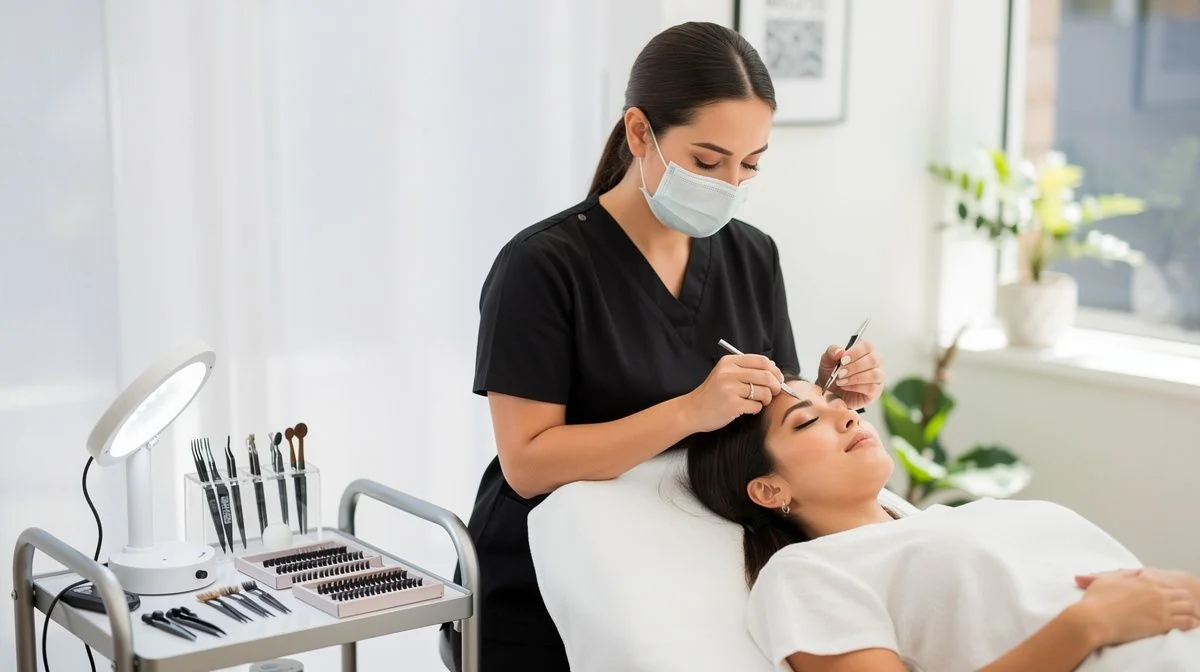
Hiring an Eyelash Extension Specialist in NZ
The thing that surprises people most about lash extensions is that the person applying them does not need a licence, a qualification or a registration to do it. There is no national scheme. A new technician can open a home studio with no training at all, and nothing in the law stops them.
What does exist is patchy and local. Some councils have appearance-industry bylaws that require premises to be registered and inspected. Many don't. Whether the salon near you has ever been checked depends on which district you live in, which is a strange basis for a decision about something happening millimetres from your eye.
So this guide is about the checks that carry the weight when the system doesn't. Tools, adhesives, patch testing, and the questions that separate someone who trained from someone who watched a video.
How We Researched This Guide
We started with the regulatory position rather than the salons. The Ministry of Health has published an analysis of its role in the beauty and appearance industry, and the New Zealand Institute of Environmental Health has published separately on the regulatory state of the appearance trades. Both say the same thing: apart from hairdressers, who sit under the Health (Hairdressers) Regulations 1980, none of these industries has a national framework governing how they operate.
We then looked at what councils actually do with the powers they have. Auckland's Health and Hygiene Bylaw 2013 and Upper Hutt's appearance industries bylaw, adopted in 2022, are two very different examples — one sets codes of practice, the other requires a Certificate of Registration and an on-site inspection. That gap between districts is the honest story here, and we've written it that way rather than pretending a national standard exists. The Health Act 1956 obligation on territorial authorities is set out in full on legislation.govt.nz.
We also drew on the New Zealand Association of Registered Beauty Professionals' Health, Hygiene and Safety Standards, now in its fifth edition.
The Quick Summary (60-Second Version)
If you read nothing else, read this.
- There is no national licensing, qualification or registration requirement for eyelash technicians in New Zealand.
- Premises may be regulated by council bylaw, but coverage varies widely — check what your local council requires before booking.
- Ask whether the premises holds a current council registration or health protection licence, and ask to see it.
- Tools must be disinfected between clients, and single-use items — adhesive, under-eye pads, applicators — must actually be single-use.
- Ask for a patch test before a first full set. It is industry good practice, not a legal requirement, so the operator decides.
- Association membership, first aid certification and insurance are the markers that replace the licence that doesn't exist.
What the Rules Actually Cover — and What They Don't
New Zealand's appearance industries are, with the single exception of hairdressing, unregulated at a national level. That means there is no national legislation or framework governing how a lash technician operates, and no minimum standard in public health, hygiene or sterilisation they must meet before starting a business.
Hairdressers are the exception because the Ministry of Health administers the Health (Hairdressers) Regulations 1980, enforced by councils. To use premises for hairdressing or barbering, the provider must register with the council and hold an annual licence. Lash work sits outside that entirely.
Where councils step in
Under the Health Act 1956, territorial authorities have an obligation to protect and promote public health, and local government legislation lets them introduce bylaws for that purpose. Some districts have health protection or beauty bylaws covering aspects of the appearance industry. Many places have nothing.
Auckland's Health and Hygiene Bylaw 2013 is the most comprehensive example. It sets rules about which services must be licensed and which must comply with separate health and beauty codes of practice, covering how premises are built, equipped and maintained, and how operators conduct themselves. It applies to commercial services that risk breaking, piercing or burning skin or tissue.
Upper Hutt went a different route. Its appearance industries bylaw, adopted in 2022, requires new businesses to apply for a Certificate of Registration, with premises registered annually unless exempt. An environmental health officer arranges an on-site inspection before a certificate is issued. The council can also issue a combined licence covering appearance industries and hairdressing.
Two councils, two completely different mechanisms, and no national floor underneath either. The practical instruction is simple: check what your local council requires, and ask the salon whether it holds the registration.
What the professional standards say
The New Zealand Association of Registered Beauty Professionals publishes Health, Hygiene and Safety Standards, now in its fifth edition. Salons that belong are working to something written down.
Those standards require the council's health protection licence to be displayed prominently. Premises must be constructed in line with council bylaws and any applicable Building Act 2004, Resource Management Act 1991 and Building Code requirements. Disinfection — reducing or eliminating harmful microorganisms from surfaces and non-living objects — must be carried out on top of ordinary cleaning.
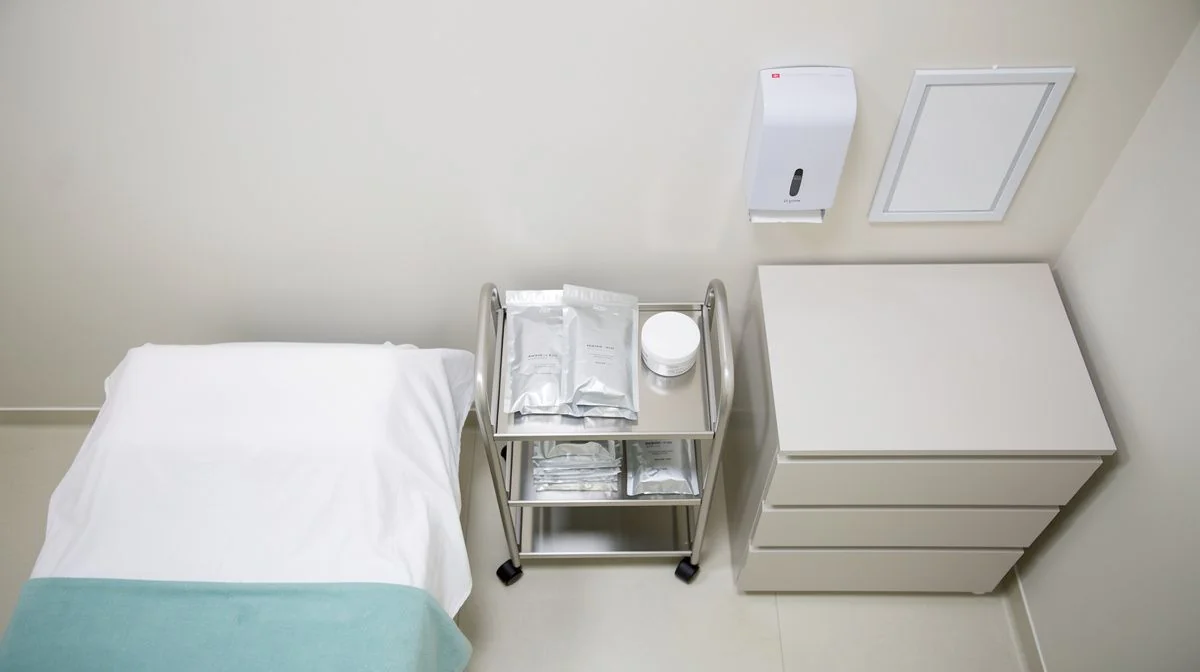
How to Vet a Specialist When There's No Register to Check
Because there is no register, your checks happen in the room. That sounds less reassuring than a database lookup, but it's actually quite revealing — the details are visible if you know what to look at. A technician who has been properly trained behaves differently from one who hasn't, and it shows before the first lash goes on.
Before you book
Ask what training they hold and which product brand they were certified in. Ask whether they belong to a professional association, and which one. Ask whether the council requires the premises to be registered, and whether they can show you the current registration or licence.
Then ask about the patch test. This is the question that sorts people out fastest. Lash adhesive is applied very close to the eye, and allergic reaction to cyanoacrylate adhesives is a known risk. Because there's no national framework, patch testing practice varies between operators — and you carry the risk of a reaction, not them.
An operator who has a clear answer about patch testing, reaction management and who removes the lashes if something goes wrong is telling you they've been trained and that they think about their clients' eyes.
In the room
Look at the surfaces. Cleanable, non-porous surfaces are what you want. Look at whether there's a sink or hand sanitiser that actually gets used before the technician touches your face. Look at where the tweezers come from — a sealed or freshly disinfected container, or loose on a towel.
| What to check | What good looks like | What to walk away from |
|---|---|---|
| Tweezers and tools | Taken from a sealed or freshly disinfected container | Lying loose on a towel, or visibly crusted |
| Single-use items | Adhesive, under-eye pads and applicators opened fresh for you | Shared adhesive pots, reused pads |
| Patch test | Offered before a first full set, with a clear reaction process | Dismissed as unnecessary |
| First aid | Kit visible, someone present holds a certificate | No kit, no answer |
| Council registration | Displayed prominently where the bylaw requires it | Vague answers about whether it's needed |
Ask what happens if you react. Ask who removes the lashes if you do. A serious reaction should be assessed by a health professional, and an infection control concern can be raised with the council's environmental health team. Where the risk is serious, the National Public Health Service within Health New Zealand responds.
Questions You Might Have
Do I need to check my council before booking?
Yes, and it takes a couple of minutes. Search your council's website for appearance industry, health protection or health and hygiene bylaws. If a bylaw exists, ask the salon whether it holds the registration or licence. If your district has nothing, you're relying entirely on your own checks — which makes the in-room assessment more important, not less.
Is a patch test a legal requirement?
No. Patch testing is industry good practice rather than a legal obligation, because there's no national framework setting minimum standards. That means the operator decides whether to offer one. Insist on it before a first full set, and ask how long before the appointment it should be done. An operator who won't do one is telling you something.
What training should I actually look for?
Look for a recognised beauty qualification plus specific lash certification, and ask which product brand they trained in. Generic beauty therapy training without a lash-specific component isn't enough on its own. Association membership — the New Zealand Association of Registered Beauty Professionals is the main body — signals a commitment to written standards and ongoing training.
What if the salon isn't registered with the council?
It depends on your district. In places with a bylaw, operating without the required registration is a compliance issue you can raise with the council's environmental health team. Where there's no bylaw, there's nothing to register against. Either way, it's useful information about how the business operates.
What should I do if I react to the adhesive?
Contact the technician first and ask about removal — don't pull the lashes yourself. A serious reaction should be assessed by a health professional. If you believe there's an infection control problem, raise it with your council's environmental health team, and where the risk is serious, with the National Public Health Service.
What Matters Most
The honest position is that nobody is checking your lash technician for you. There's no national licence, no register, and no minimum standard they had to meet before opening. If your council has a bylaw, someone might inspect the premises. If it doesn't, nobody will.
That's uncomfortable, but it's also clarifying. It means the questions you ask carry the entire weight of the decision. Training, association membership, disinfection practice, patch testing, insurance, first aid — none of it is guaranteed by law, and all of it is answerable by a professional.
Ask before you book. Look around when you arrive. Leave if the answers don't hold up. The person who takes those questions seriously is the person you want working near your eyes.

The ValueHub Team built this site because finding clear, unbiased financial information in New Zealand was harder than it should be. Every guide is based on real research — we compare the actual fees, terms, and fine print so you don't have to. Our tip: shop around every year, read the policy docs, and never assume loyalty gets you the best deal.— The ValueHub Team
Try our Calculators
Use these free tools to crunch the numbers:
KiwiSaver Fund Comparison
Compare fees, returns, and risk levels across every KiwiSaver fund — the most up to date data in New Zealand.
Currency Converter — USD to NZD
Convert US Dollars to New Zealand Dollars instantly. See the latest exchange rate and 30-day trend.
Mortgage Repayment Calculator
Calculate your weekly, fortnightly, or monthly mortgage repayments. Free NZ mortgage calculator — try different rates, terms, and repayment frequencies.
Compound Interest Calculator
See how your savings grow with compound interest over time. Free NZ compound interest calculator with yearly, monthly, and weekly compounding options.
Term Deposit Calculator
Calculate your term deposit returns before you lock in. Compare interest earned across different terms and rates with ValueHub's free calculator.
Savings Goal Calculator
Calculate how long it will take to reach your savings goal — and what monthly deposit you need to get there. Free NZ savings planner.
Related Articles
How to Hire a Firewood Supplier in NZ
Learn how to choose a reputable firewood supplier in New Zealand. Covers qualifications, pricing, red flags, and tips for...
guideHiring a Flooring Specialist NZ Guide
Learn how to choose a qualified flooring specialist in New Zealand. Covers qualifications, costs, red flags, and tips fro...