Best Electricians in West Coast
Published 31 January 2025 · Updated 18 August 2026
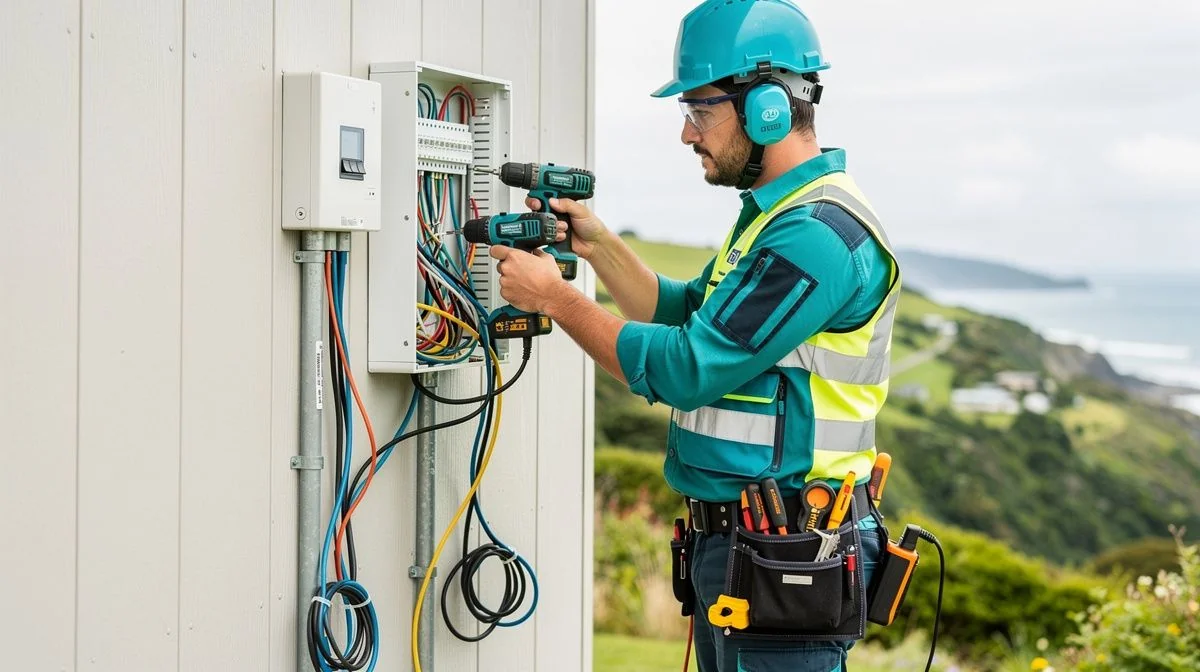
Best Electricians in West Coast – How to Find a Reliable Tradesperson
Finding a good electrician on the West Coast isn’t always straightforward. With towns spread from Karamea down to Haast, and plenty of remote properties in between, you need someone who’s not only skilled but also available when you need them.
Whether you’re building a new home in Hokitika, rewiring a bach near Franz Josef, or need urgent fault-finding in Greymouth, the right tradie makes all the difference. This guide covers what to look for, questions to ask, and how to get the best result for your job.
What to Look for When Hiring an Electrician in West Coast
Licensing and Registration
In New Zealand, all electrical work must be done by a licensed electrician. Check that your tradesperson is registered with the Electrical Workers Registration Board (EWRB). They should carry a current practising licence for the type of work you need – residential, commercial, or industrial.
You can verify their licence online on the EWRB website. Never hire someone who can’t provide their registration number.
Local Knowledge
West Coast conditions are unique. High rainfall, coastal salt spray, and earthquake-prone ground all affect electrical installations. A local electrician knows which materials hold up best and how to work with older wiring common in historic West Coast buildings.
They also understand council requirements for new builds and renovations in districts like Buller, Grey, and Westland.
Experience with Your Type of Job
Not every electrician does every kind of work. Some specialise in new homes, others in switchboard upgrades or solar installation. Ask about recent projects similar to yours. A good sparky will happily talk through similar jobs they’ve completed.
- Residential rewiring or new builds
- Commercial or farm electrical work
- Heat pump installation
- Emergency call-outs and fault finding
- Home automation and data cabling
Insurance and Guarantees
A professional electrician carries public liability insurance and often a workmanship guarantee. Ask for proof of insurance before they start. For bigger jobs, a written warranty on materials and labour gives you peace of mind.
Communication and Reliability
Does the electrician return your calls promptly? Do they turn up when they say they will? On the West Coast, where distances are large, reliability is even more important. Ask for a clear timeline and check they can stick to it.
Key Questions to Ask Before Hiring
Asking the right questions upfront saves hassle later. Here are the most important ones:
- Are you a registered electrician with a current practising licence? – They should answer yes immediately and provide their EWRB number.
- Do you have public liability insurance? – Essential for covering any accidental damage.
- Can you provide a written quote? – A fixed price or detailed estimate prevents surprises.
- What experience do you have with this kind of work? – Tailor this to your job type (e.g. solar, switchboard upgrade, etc.).
- Will you handle any necessary council permits? – Some electrical work requires a building consent or notification to the EWRB. A good electrician manages this process.
- Do you guarantee your work? – Workmanship guarantees vary; ask for details in writing.
- What’s your typical response time for call-outs? – Especially important for urgent issues like power loss or sparking outlets.
- Can you provide references from recent West Coast clients? – Local references are more useful than generic testimonials.
Tips for Getting the Best Results
Plan Ahead Where Possible
If your job isn’t urgent, plan it outside the busy seasons. Spring and autumn tend to be quieter for tradies on the Coast. Booking a few weeks ahead gives you better availability and often a more competitive quote.
Get Multiple Quotes
For any job over a few hundred dollars, get at least two or three quotes. This helps you spot both overpricing and suspiciously low offers. A very cheap quote might mean using substandard materials or cutting corners on safety.
When comparing quotes, look at the total scope – not just the price. Does one include materials, permits, and cleanup while another doesn’t?
Provide Clear Specifications
The more detail you give upfront, the more accurate the quote. Describe exactly what you need, including any preferences for brands or finishes. Photos of the existing setup help the electrician understand the job before they visit.
Ask About Energy Efficiency
West Coast homes can be cold and damp. A good electrician can suggest energy-efficient solutions like LED upgrades, heat pump placement, or even solar options. Sometimes a small investment upfront saves you money for years.
Confirm the Payment Process
Most electricians ask for payment on completion of smaller jobs. For larger projects, they may request progress payments. Agree on the schedule and method (bank transfer, cash, etc.) before work starts. Avoid paying a large deposit upfront.
Check the Work Before You Pay
When the job is finished, test everything. Turn switches on and off, check that outlets work, and ensure any new fixtures are secure. If something doesn’t look right, say so before making final payment.
A Note About Costs and Getting Quotes
Electrical work on the West Coast can vary in price depending on your location, the complexity of the job, and whether it’s a call-out or a scheduled visit.
Typical costs you might encounter:
- Call-out fee (travel time from the nearest town) – often $50 to $100
- Hourly rate – generally between $80 and $140 per hour plus GST
- Small jobs (e.g. installing a new power point) – $100 to $250 including parts and labour
- Switchboard upgrade – $500 to $1,500 depending on size and complexity
- Full house rewire – several thousand dollars, often $5,000 to $15,000 for an average home
These are broad ranges – your actual cost will depend on your specific situation. Remote properties on the Coast may have higher travel charges, so always ask about that upfront.
Getting a written quote protects both you and the electrician. It should list all work to be done, materials used, timeline, and any exclusions. For larger projects, a fixed-price quote gives you certainty, while a “time and materials” estimate means you pay for what’s actually used.
Also ask whether the quote includes GST. In New Zealand, all prices quoted should legally include GST unless stated otherwise. But it’s worth confirming to avoid confusion.
Finally, remember that the cheapest quote isn’t always the best value. A slightly higher price from an experienced local electrician with good insurance and a solid guarantee can save you money in the long run. Take the time to compare not just dollars, but the overall service and peace of mind.
With the right preparation, you’ll find a reliable electrician on the West Coast who gets the job done safely and professionally.

The ValueHub Team built this site because finding clear, unbiased financial information in New Zealand was harder than it should be. Every guide is based on real research — we compare the actual fees, terms, and fine print so you don't have to. Our tip: shop around every year, read the policy docs, and never assume loyalty gets you the best deal.— The ValueHub Team
Try our Calculators
Use these free tools to crunch the numbers:
KiwiSaver Fund Comparison
Compare fees, returns, and risk levels across every KiwiSaver fund from all 31 NZ providers.
Currency Converter — USD to NZD
Convert US Dollars to New Zealand Dollars instantly. See the latest exchange rate and 30-day trend.
Mortgage Repayment Calculator
Calculate your weekly, fortnightly, or monthly mortgage repayments. Free NZ mortgage calculator — try different rates, terms, and repayment frequencies.
Compound Interest Calculator
See how your savings grow with compound interest over time. Free NZ compound interest calculator with yearly, monthly, and weekly compounding options.
Term Deposit Calculator
Calculate your term deposit returns before you lock in. Compare interest earned across different terms and rates with ValueHub's free calculator.
Savings Goal Calculator
Calculate how long it will take to reach your savings goal — and what monthly deposit you need to get there. Free NZ savings planner.
Electricians in Other Cities
Latest Guides & Reviews
New Zealand Financial Markets Authority Guide: Investor Protection in NZ
Protect your investments with this practical guide to the FMA — how to check licences, spot scams, and what to do if a provider fails. Verified against...
comparisonEV Home Charger NZ: Costs & Buying Guide
Compare EV home charger costs in NZ — verified prices from $1,299, installation fees, smart features, and what actually matters for your home's power supply.
guideThe Most Popular EVs in New Zealand
The best-selling electric cars in New Zealand, ranked by official registration data. Top BEV and PHEV models and brands, updated monthly.
guideEV Market Stats
New Zealand's EV market in numbers — market share, fleet size, top-selling models and used imports, updated with the latest NZTA and MIA data.