Best Electricians in Whakatane
Published 31 January 2025 · Updated 18 August 2026
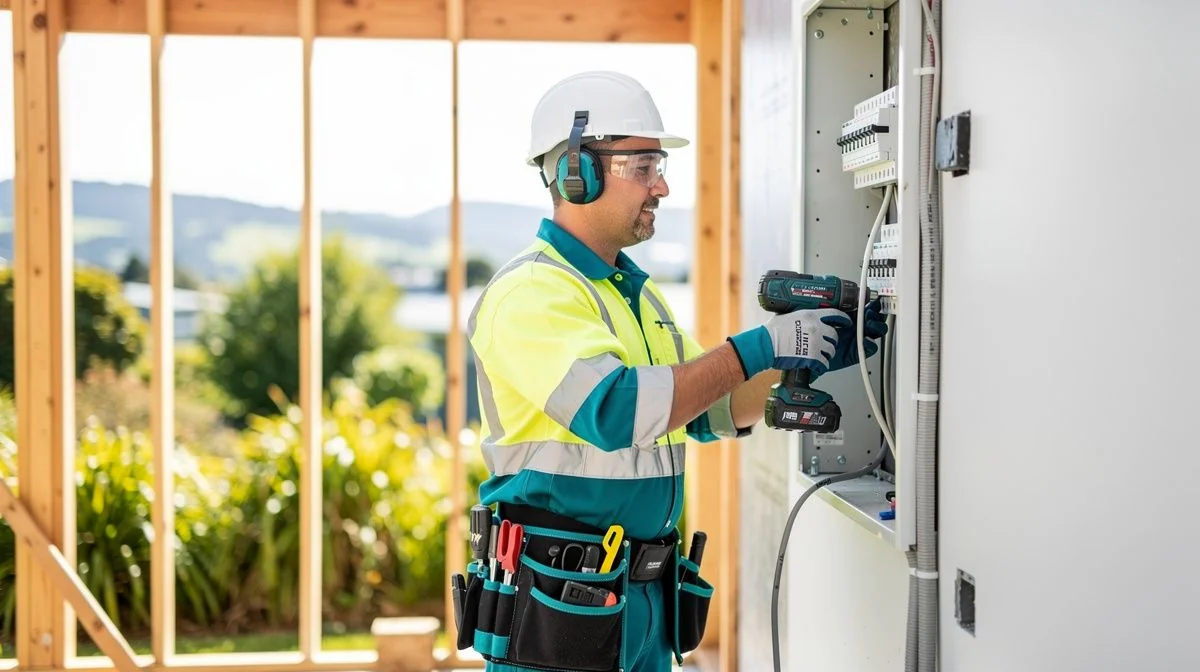
Best Electricians in Whakatane
Finding a reliable electrician in Whakatane doesn't have to be a headache. Whether you need a quick switch replacement, a full rewiring of an older home, or help with a new build in the Bay of Plenty, the right tradesperson makes all the difference. Whakatane has a mix of residential and commercial properties, and local electricians understand the specific conditions here – from coastal corrosion risks to the requirements of the region's growing suburbs.
This guide will help you sort through your options and choose an electrician you can trust. We keep it practical and local, so you get a fair go at finding quality work for a fair price.
What to look for when hiring an electrician in Whakatane
In New Zealand, electrical work is tightly regulated for good reason. Faulty wiring can cause fires or shocks, so you want someone who knows the rules inside out. Here are the key things to check before you say yes to any quote.
- Licensing and registration – Every electrician in New Zealand must be registered with the Electrical Workers Registration Board (EWRB) and hold a current practising licence. Ask to see their licence number. You can verify it on the EWRB website. Never take their word for it – check it yourself.
- Insurance – A proper electrician will carry public liability insurance. This covers you if something goes wrong, like accidental damage to your property. Ask for proof of insurance before work starts.
- Local knowledge – Whakatane has its own building code nuances, especially near the coast. An electrician who works regularly in the Eastern Bay of Plenty will know about marine-grade fittings, earth leakage requirements, and what council inspectors look for.
- Experience with your type of job – Not all sparkies are the same. Some specialise in new builds, others in renovations, solar panel installations, or industrial work. Make sure they have recent experience with the exact job you need done.
- References and reviews – Word of mouth is still king in a town like Whakatane. Ask for recent references from local clients. Online reviews on Google or the local community pages can also give you a sense of their reputation.
Our Trusted Electricians
We feature businesses that demonstrate strong performance, proven experience, and consistently positive customer feedback. Some of the providers listed may have commercial relationships with us, but all are selected based on quality and reliability.
To begin, reach out to them and speak with them directly — this helps you explain your job, ask questions, and confirm whether they're the right fit.
Industrial, Commercial, Domestic and Rural Electrical Services Heat Pump Installations & Servicing Instrumentation EWOF & Inspections EV Charge Points Installation & Inspections Testing & Tagging On Call 24/7. “Welcome to Whakatane Electrical Contractors, locally owned and operated in the Whakatane and Bay of Plenty ar
Key questions to ask before hiring
You don't need to be an electrical expert to ask the right questions. Here are a few that will help you separate the pros from the cowboys.
- Are you registered with the EWRB? – This should be their immediate answer. If they hesitate, that's a red flag.
- Can you provide a written estimate before you start? – A good electrician will give you a detailed quote, not just a rough number. This should include labour, materials, travel, and GST.
- What warranty do you offer on your work? – Most reputable tradespeople stand behind their work for at least 12 months. Some offer longer guarantees on certain jobs.
- How long will the job take? – They should give you a realistic timeframe, factoring in potential delays like supply issues or weather (especially in the Whakatane area with its variable weather).
- Will you handle any required council inspections or certifications? – For major work like switchboard upgrades or new circuits, a building consent or electrical certificate of compliance may be needed. Ask who organises that.
- Do you sub-contract work? – If the job is large, they might bring in another electrician. Make sure you know who will actually be on site and that they are also licensed.
Tips for getting the best results
Hiring a good electrician is only half the story. Getting the best outcome means being clear about what you want and working with them professionally.
- Give a clear brief – Before you ring around, write down exactly what you need done. Include details like the size of the room, number of switches or outlets, and any specific brand preferences. A vague request leads to vague quotes.
- Get at least three quotes – This is standard advice, but it really helps in a regional market like Whakatane. Prices can vary a lot, and the cheapest isn't always the best value. Compare not just the dollar figure but the scope of work each quote covers.
- Check for hidden extras – Some electricians charge call-out fees, travel costs for remote areas (like out towards Ohope or Coastlands), or extra for after-hours work. Ask upfront what's included and what might cost more.
- Plan around your own schedule – If you can be flexible, you might save money. Jobs that can be done during normal business hours, without too much pressure for a quick turnaround, often come in cheaper.
- Communicate clearly – Once work starts, keep the lines open. If you have questions about something they're doing, ask straight away. A good electrician will explain what they're doing and why.
- Check the work before you pay the final bill – Walk through the job with them once it's finished. Test switches, plugs, and any new appliances or systems they installed. Make sure everything works as expected.
A note about costs and getting quotes
Electrical work costs vary based on the job, the materials needed, and the electrician's experience. In Whakatane and the wider Bay of Plenty, you can expect to pay for a mix of labour, travel, and materials. Typical hourly rates for a qualified electrician range from around $70 to $110 per hour including GST, though this can be higher for specialist work or emergency call-outs. Fixed-price jobs (like installing a new switchboard) are common for bigger projects.
When you get quotes, make sure they are itemised. A written quote should list labour, materials, any travel fees, and GST separately. This makes it easy to compare apples with apples. Also ask about the payment schedule – most electricians expect payment on completion for small jobs, but larger projects may ask for a deposit or progress payments.
Remember, the cheapest quote isn't always the best deal. A slightly higher upfront cost can save you headaches down the track if it means better quality materials or a more experienced tradesperson. And if a quote seems too cheap, ask yourself why – could they be cutting corners on safety or skipping necessary paperwork?
Finally, always get the

The ValueHub Team built this site because finding clear, unbiased financial information in New Zealand was harder than it should be. Every guide is based on real research — we compare the actual fees, terms, and fine print so you don't have to. Our tip: shop around every year, read the policy docs, and never assume loyalty gets you the best deal.— The ValueHub Team
Try our Calculators
Use these free tools to crunch the numbers:
KiwiSaver Fund Comparison
Compare fees, returns, and risk levels across every KiwiSaver fund from all 31 NZ providers.
Currency Converter — USD to NZD
Convert US Dollars to New Zealand Dollars instantly. See the latest exchange rate and 30-day trend.
Mortgage Repayment Calculator
Calculate your weekly, fortnightly, or monthly mortgage repayments. Free NZ mortgage calculator — try different rates, terms, and repayment frequencies.
Compound Interest Calculator
See how your savings grow with compound interest over time. Free NZ compound interest calculator with yearly, monthly, and weekly compounding options.
Term Deposit Calculator
Calculate your term deposit returns before you lock in. Compare interest earned across different terms and rates with ValueHub's free calculator.
Savings Goal Calculator
Calculate how long it will take to reach your savings goal — and what monthly deposit you need to get there. Free NZ savings planner.
Electricians in Other Cities
Best Electricians in Auckland
Best Electricians in Wellington: How to Choose, What to Pay, and What Matters
Latest Guides & Reviews
New Zealand Financial Markets Authority Guide: Investor Protection in NZ
Protect your investments with this practical guide to the FMA — how to check licences, spot scams, and what to do if a provider fails. Verified against...
comparisonEV Home Charger NZ: Costs & Buying Guide
Compare EV home charger costs in NZ — verified prices from $1,299, installation fees, smart features, and what actually matters for your home's power supply.
guideThe Most Popular EVs in New Zealand
The best-selling electric cars in New Zealand, ranked by official registration data. Top BEV and PHEV models and brands, updated monthly.
guideEV Market Stats
New Zealand's EV market in numbers — market share, fleet size, top-selling models and used imports, updated with the latest NZTA and MIA data.