Best Gas Fitters in Wanaka
Published 14 February 2025 · Updated 18 August 2026
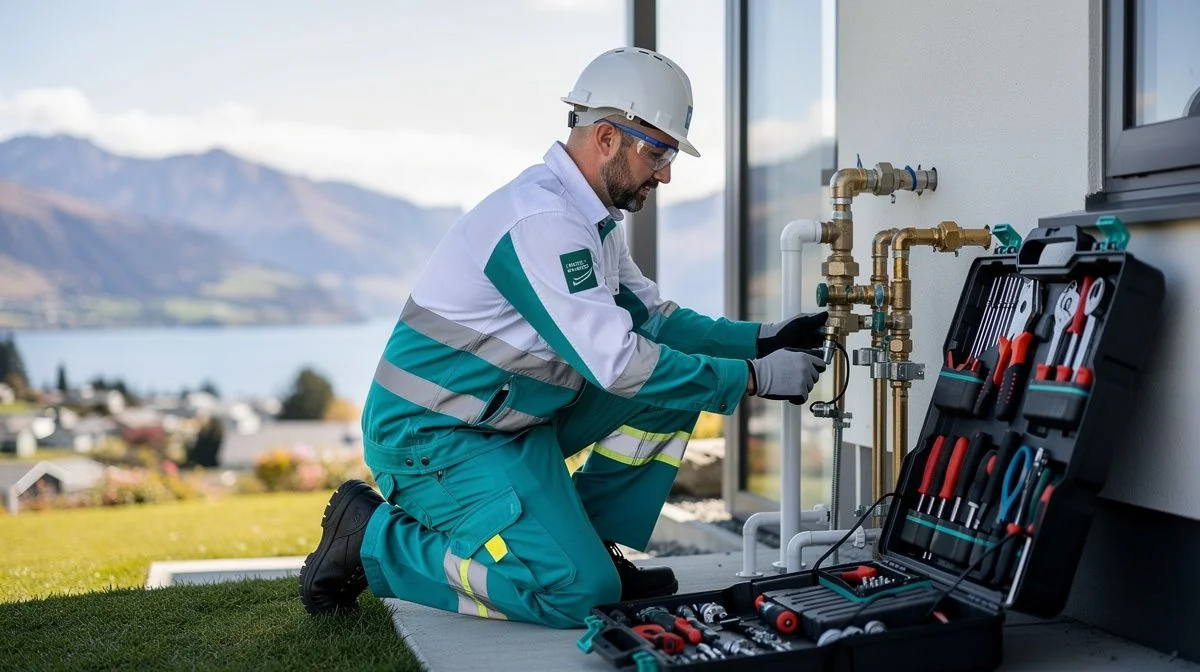
Finding a Reliable Gas Fitter in Wanaka
If you live in Wanaka, you know how important a reliable supply of gas is. Whether it's for heating your home, running a hot water cylinder, or powering appliances in a new build, having a skilled gas fitter you can trust makes all the difference. Wanaka's growing population means more homes and businesses are relying on LPG and natural gas, which makes finding the right tradesperson essential.
But gas work isn't something to take lightly. Faulty installations can lead to leaks, fires, or carbon monoxide risks. That's why the best gas fitters in Wanaka are fully qualified, experienced, and local. They understand the specific challenges of Central Otago conditions, from frosty winters to alpine building codes.
This guide will walk you through exactly what to look for, what questions to ask, and how to get the best results when hiring a gas fitter in Wanaka.
What to Look for When Hiring a Gas Fitter in Wanaka
Proper Licensing and Registration
In New Zealand, any person carrying out gasfitting work must be registered with the Plumbers, Gasfitters and Drainlayers Board (PGDB). They need to hold a current practising licence. This isn't optional. Check for this before you even consider hiring someone.
A licensed gas fitter will have completed an apprenticeship, passed exams, and maintains ongoing training. They can issue a Gas Safety Certificate (COC) for their work. Without this, your insurance may be invalid, and you risk safety issues.
How to verify: Ask for their licence number and look it up on the PGDB public register online. Many Wanaka gas fitters will happily show their credentials.
Local Experience and Reputation
Wanaka has its own quirks. The climate, building styles, and local council requirements differ from, say, Christchurch or Auckland. A gas fitter who has worked in the area for years will know the common issues — like gas bottle placement for frosty mornings or dealing with difficult access in lakeside properties.
Ask around. Neighbours, local builders, or real estate agents often have recommendations. Online reviews on Google, Facebook, or TradeMe Services can also give you a feel for reliability and customer service.
Insurance Cover
Every gas fitter you hire should have public liability insurance. This protects you if something goes wrong, like accidental damage to your property. They should also have workers' compensation cover. Don't be shy — ask for proof of insurance before work starts.
Clear Communication and Professionalism
A good gas fitter will explain the job, the process, and expected outcomes clearly. They'll turn up on time, keep the work site tidy, and provide an itemised quote. If someone is vague or rushing you, that's a red flag.
Key Questions to Ask Before Hiring
Before you commit to a gas fitter, arm yourself with these questions. Write down the answers so you can compare them between tradespeople.
- Are you registered and licensed with the PGDB? Ask for their licence number and check it.
- Do you have public liability insurance? Request a certificate.
- Can you provide recent references from Wanaka clients? Ideally, speak to someone who had similar work done.
- What experience do you have with (your specific job)? For example, LPG bottle bank installation, gas cooker hookup, or central heating systems.
- Will you issue a Certificate of Compliance (COC) for all gasfitting work? This is mandatory for most jobs — if they say no, look elsewhere.
- How do you charge? Some charge a fixed price for the job, others by the hour. Ask for an estimated total, including travel and materials.
- What's your availability and timeline? Wanaka is busy in peak seasons — book well ahead if possible.
- Do you handle the council consent process if required? Some gasfitting work (like major renovations or new builds) may need building consent. A good fitter will guide you.
Tips for Getting the Best Results
Plan Ahead and Be Clear
Think about what you need before you call. Write down the appliance models, the location of gas outlets, and any special requests. The more information you give, the more accurate the quote will be.
If you're building or renovating, involve the gas fitter early. They can advise on pipe runs, meter locations, and ventilation — saving you time and money later.
Get at Least Three Quotes
While price isn't everything, comparing quotes helps you see what's typical for your job. Be wary of quotes that are much lower than others — they may cut corners or lack insurance. A quote that's too high might not reflect better quality, either.
For simple jobs like connecting a gas hob, quotes should be fairly similar. For complex work like reticulating LPG around a large home, there will be more variation. Ask each fitter to break down their quote into labour, materials, and travel.
Check for Compliance Certificates
After the job is done, the gas fitter must provide you with a Certificate of Compliance (COC) for any gasfitting work (except very minor tasks). Keep this document safe. You'll need it for insurance claims, home sales, and future maintenance. If you don't receive one, follow up.
Maintain Your Gas Systems
Once your gas fitting is complete, regular maintenance extends the life of appliances and keeps you safe. Ask your gas fitter about recommended service intervals. Many offer annual safety checks. Wanaka's cold winters mean gas heaters get a workout — so schedule a service before the peak season.
Communicate Clearly During the Job
If you have questions or notice something unusual, speak up. A professional gas fitter will be happy to explain what they're doing. Good communication prevents misunderstandings and

The ValueHub Team built this site because finding clear, unbiased financial information in New Zealand was harder than it should be. Every guide is based on real research — we compare the actual fees, terms, and fine print so you don't have to. Our tip: shop around every year, read the policy docs, and never assume loyalty gets you the best deal.— The ValueHub Team
Try our Calculators
Use these free tools to crunch the numbers:
KiwiSaver Fund Comparison
Compare fees, returns, and risk levels across every KiwiSaver fund from all 31 NZ providers.
Currency Converter — USD to NZD
Convert US Dollars to New Zealand Dollars instantly. See the latest exchange rate and 30-day trend.
Mortgage Repayment Calculator
Calculate your weekly, fortnightly, or monthly mortgage repayments. Free NZ mortgage calculator — try different rates, terms, and repayment frequencies.
Compound Interest Calculator
See how your savings grow with compound interest over time. Free NZ compound interest calculator with yearly, monthly, and weekly compounding options.
Term Deposit Calculator
Calculate your term deposit returns before you lock in. Compare interest earned across different terms and rates with ValueHub's free calculator.
Savings Goal Calculator
Calculate how long it will take to reach your savings goal — and what monthly deposit you need to get there. Free NZ savings planner.
Gas Fitters in Other Cities
Latest Guides & Reviews
New Zealand Financial Markets Authority Guide: Investor Protection in NZ
Protect your investments with this practical guide to the FMA — how to check licences, spot scams, and what to do if a provider fails. Verified against...
comparisonEV Home Charger NZ: Costs & Buying Guide
Compare EV home charger costs in NZ — verified prices from $1,299, installation fees, smart features, and what actually matters for your home's power supply.
guideThe Most Popular EVs in New Zealand
The best-selling electric cars in New Zealand, ranked by official registration data. Top BEV and PHEV models and brands, updated monthly.
guideEV Market Stats
New Zealand's EV market in numbers — market share, fleet size, top-selling models and used imports, updated with the latest NZTA and MIA data.