Best Gas Fitters in West Coast
Published 14 February 2025 · Updated 18 August 2026
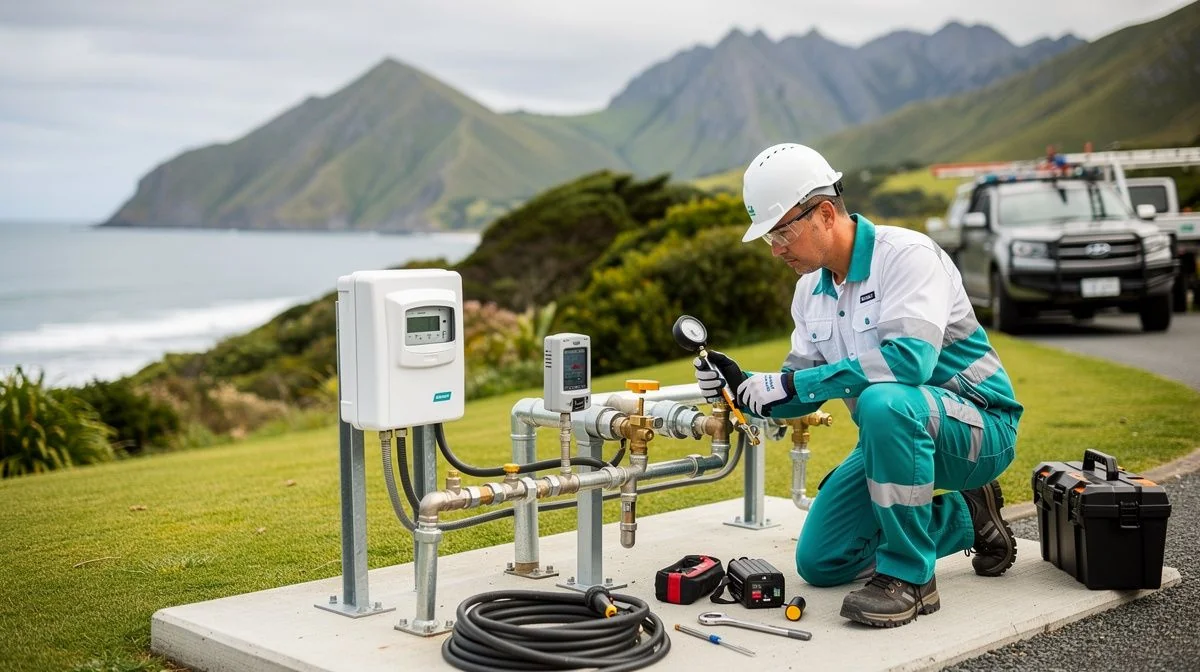
Finding Gas Fitters on the West Coast
Living on the West Coast comes with its own charm – wild rivers, lush bush, and a tight-knit community. But when you need a gas fitter for your home or business, the search can feel a bit more limited than in the big cities. Whether you're in Greymouth, Hokitika, Westport, or somewhere in between, finding a reliable, licensed gas fitter is essential for safety and peace of mind.
Gas work isn't a DIY job. New Zealand's regulations are strict for good reason – poorly fitted gas systems can lead to leaks, fires, or carbon monoxide risks. That's why choosing the right gas fitter on the West Coast matters, and we're here to help you understand what to look for.
In this guide, we'll cover the key things to consider when hiring a gas fitter, questions you should ask, tips for getting a smooth result, and how to handle costs and quotes – all tailored to your West Coast situation.
What to Look for When Hiring a Gas Fitter in West Coast
Not everyone with a toolbox can legally work on gas. Here's what you need to check before you let anyone near your gas system.
Licensing and Certification
In New Zealand, gas fitters must be licensed under the Plumbers, Gasfitters, and Drainlayers Act 2006. Look for a current practising licence issued by the Plumbers, Gasfitters, and Drainlayers Board (PGDB). You can even verify a licence number on the PGDB website. On the West Coast, some tradespeople might hold a licence but live elsewhere – that's fine as long as they're authorised to work in your area.
Make sure the gas fitter's licence covers the type of work you need. For example, some licences are for natural gas only, others for LPG. Most West Coast homes use LPG, but check if your property is connected to reticulated natural gas (rare outside major centres).
Local Experience
A gas fitter who knows the West Coast understands the quirks of our climate and geography. Coastal properties have different corrosion risks, and rural properties might have specific ventilation requirements for gas cylinders. Someone who's worked locally will also know how to coordinate with your local council for any consent or inspection requirements.
Insurance
Reputable gas fitters carry public liability insurance and, ideally, personal indemnity cover. Ask to see their certificate of insurance. This protects you if something goes wrong – like a leak that damages your house or an injury during the job. On the West Coast, where trades might travel long distances, insurance also covers travel incidents.
References and Reviews
Word of mouth is powerful in small communities. Ask your neighbours or local Facebook groups for recommendations. A gas fitter with a solid reputation on the Coast will have no problem providing references from previous jobs. Online reviews are helpful too, but take them with a grain of salt – one bad review doesn't mean bad work, but several might.
Clear Communication and Professionalism
A good gas fitter will explain the work in plain English, give you a clear timeline, and leave the worksite tidy. If they're vague about their process or dismiss your questions, consider it a red flag.
Key Questions to Ask Before Hiring
Before you commit to any gas fitter, ask these questions. Write down the answers – they'll help you compare quotes and avoid surprises.
- Are you licensed for this type of gas work? Ask for their licence number and the issuing body. Verify it if you can.
- Do you have current public liability insurance? Get the policy details and check the coverage limit. At least $1 million is standard.
- Can you provide a detailed written quote? A quote should include labour, materials, travel (if any), and any consent costs. Verbal quotes can lead to confusion.
- How long will the job take? Get an estimated start date and completion date. Weather or parts availability can cause delays on the Coast, so ask about contingencies.
- What guarantees do you offer? Most reputable gas fitters guarantee their workmanship for at least 12 months. Ask about warranties on parts too.
- Do you handle council consents or inspections? For certain gas installations (like new gas lines or major alterations), council consent may be needed. Your gas fitter should know what's required and handle the paperwork.
- Will you need access to my property after the job? Some gas fitters offer maintenance checks or emergency call-outs. Ask if they provide after-hours service – especially valuable on the Coast where alternatives might be far away.
- Can I see examples of similar work? If you're installing a gas heater or upgrading a gas system, ask for photos or addresses of previous jobs (with permission).
Tips for Getting the Best Results
A little preparation goes a long way when hiring a gas fitter on the West Coast. Follow these tips to ensure a smooth experience.
Check Your Gas System First
Before you call a gas fitter, take a look at your current setup. Know what type of gas you use (LPG bottle or reticulated), the age of your appliances, and any issues you've noticed (pilot lights going out, strange smells). This helps the gas fitter diagnose problems faster and give a more accurate quote.
Get Multiple Quotes
Because the West Coast has fewer gas fitters, it's tempting to hire the first person available. But getting two or three quotes is still wise – it shows you the range

The ValueHub Team built this site because finding clear, unbiased financial information in New Zealand was harder than it should be. Every guide is based on real research — we compare the actual fees, terms, and fine print so you don't have to. Our tip: shop around every year, read the policy docs, and never assume loyalty gets you the best deal.— The ValueHub Team
Try our Calculators
Use these free tools to crunch the numbers:
KiwiSaver Fund Comparison
Compare fees, returns, and risk levels across every KiwiSaver fund from all 31 NZ providers.
Currency Converter — USD to NZD
Convert US Dollars to New Zealand Dollars instantly. See the latest exchange rate and 30-day trend.
Mortgage Repayment Calculator
Calculate your weekly, fortnightly, or monthly mortgage repayments. Free NZ mortgage calculator — try different rates, terms, and repayment frequencies.
Compound Interest Calculator
See how your savings grow with compound interest over time. Free NZ compound interest calculator with yearly, monthly, and weekly compounding options.
Term Deposit Calculator
Calculate your term deposit returns before you lock in. Compare interest earned across different terms and rates with ValueHub's free calculator.
Savings Goal Calculator
Calculate how long it will take to reach your savings goal — and what monthly deposit you need to get there. Free NZ savings planner.
Gas Fitters in Other Cities
Latest Guides & Reviews
New Zealand Financial Markets Authority Guide: Investor Protection in NZ
Protect your investments with this practical guide to the FMA — how to check licences, spot scams, and what to do if a provider fails. Verified against...
comparisonEV Home Charger NZ: Costs & Buying Guide
Compare EV home charger costs in NZ — verified prices from $1,299, installation fees, smart features, and what actually matters for your home's power supply.
guideThe Most Popular EVs in New Zealand
The best-selling electric cars in New Zealand, ranked by official registration data. Top BEV and PHEV models and brands, updated monthly.
guideEV Market Stats
New Zealand's EV market in numbers — market share, fleet size, top-selling models and used imports, updated with the latest NZTA and MIA data.