Best Gas Fitters in Whanganui
Published 14 February 2025 · Updated 30 June 2026
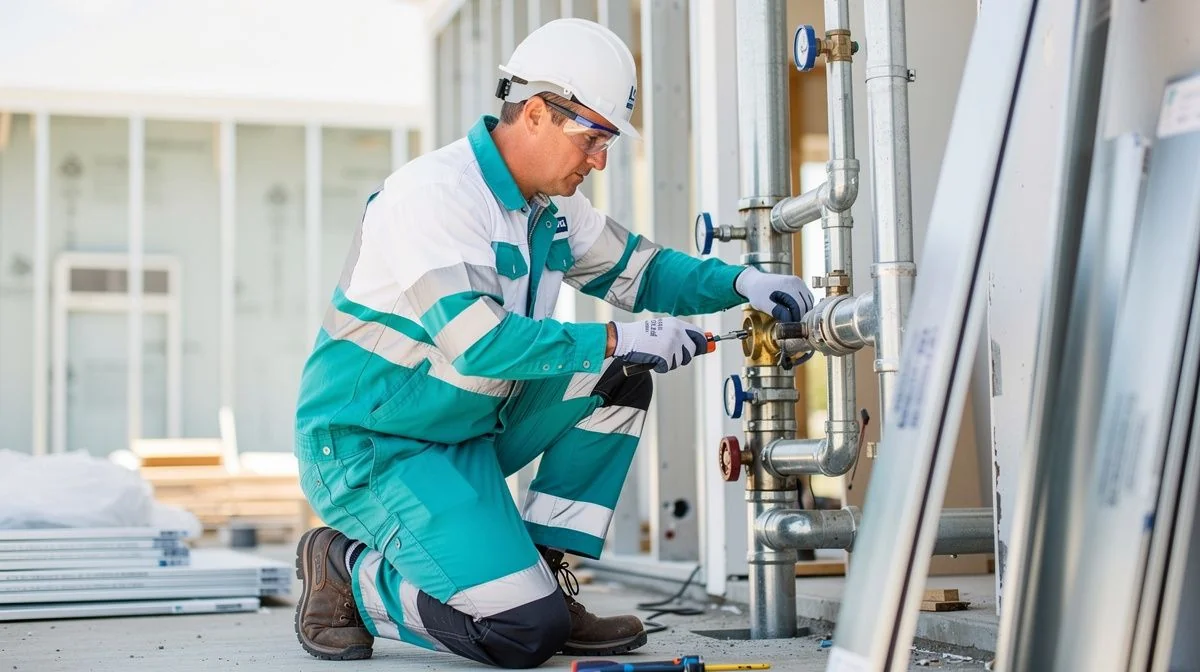
Finding a Reliable Gas Fitter in Whanganui
Whether you’re installing a new gas cooktop, servicing a gas heater, or converting an appliance from bottled LPG to reticulated natural gas, finding a qualified gas fitter in Whanganui is essential. Gas work is tightly regulated in New Zealand for good reason — faulty installations can lead to leaks, fires, or carbon monoxide poisoning.
Whanganui has a solid network of certified gas fitters who work across residential, commercial, and rural properties. Some operate as sole traders while others are part of larger plumbing or drainlaying businesses. Because gas fitting often overlaps with plumbing and drainlaying, many local tradespeople offer combined services, which can be convenient if you need multiple jobs done at once.
The key is to hire someone who is properly licensed, experienced with the specific type of gas you use, and familiar with Whanganui’s local conditions — including older homes that might have outdated pipework or newer subdivisions with modern gas connections.
What to Look for When Hiring a Gas Fitter in Whanganui
Gas fitting is a restricted trade in New Zealand. That means only someone holding a current Authorisation from the Plumbers, Gasfitters, and Drainlayers Board (PGDB) can legally carry out gas work on your property. Here’s what to check before you hire.
Current PGDB Authorisation
Every gas fitter must hold an Authorisation issued by the PGDB. There are different classes — Gasfitting Authorisation, Advanced Gasfitting Authorisation, and others depending on the type of work. Ask to see their card or look them up on the PGDB public register. If someone can’t produce current authorisation, don’t hire them.
Local Experience
Whanganui has a mix of building types, from historic villas to modern builds. A fitter who knows the area will be familiar with common issues like older galvanised pipework, the transition between LPG and natural gas, and the specific requirements of local council when it comes to consents. Ask whether they’ve worked on properties similar to yours.
Insurance Cover
Make sure the gas fitter carries public liability insurance and, if they employ others, work cover through ACC’s workplace scheme. This protects you if something goes wrong during the job. Ask for a copy of their certificate of insurance if you’re unsure.
References and Reviews
Because word of mouth is strong in a city like Whanganui, ask the fitter for a couple of recent references from local customers. Check online reviews on Google, Neighbourly, or local Facebook community groups. Look for consistent feedback about punctuality, workmanship, and how they handled any issues.
Clear Communication
A good gas fitter will explain the work in plain English — what they’ll do, why it’s needed, and how long it will take. They should also be upfront about whether a building consent or other approvals are required from Whanganui District Council.
Key Questions to Ask Before Hiring
Before you commit to a gas fitter, ask these questions to help you compare and choose with confidence.
- Are you currently authorised by the PGDB for gasfitting? — This is non-negotiable. Check their card and verify on the PGDB website.
- What type of gas do you normally work with — LPG or natural gas? — Some fitters specialise in one or the other, especially if they work mostly in rural areas where natural gas isn’t available.
- Will you handle the consent process with council if required? — For certain gasfitting jobs like relocating a gas meter or adding a new outlet, a building consent may be needed. The fitter should know the rules and be willing to manage the paperwork.
- Do you provide a written quote before starting? — A detailed quote protects both sides and helps avoid surprises.
- How do you handle any extra work discovered during the job? — Ask whether they’ll contact you before doing any unforeseen work and how they price variations.
- What warranty do you offer on your work? — Most reputable fitters stand behind their labour for at least 12 months. Some may offer longer on parts.
- Can you provide a Certificate of Compliance (CoC) once the work is done? — For most gasfitting work, a CoC is legally required. It’s your proof that the job meets the New Zealand Gasfitting Standards.
Tips for Getting the Best Results
Once you’ve chosen a gas fitter, a few simple steps can help the job go smoothly and keep you safe.
Know Your Gas Type
Whanganui properties can be connected to either reticulated natural gas (piped from the mains) or bottled LPG. Make sure your fitter knows which one you’re using, as the appliances and pipework differ. If you’re switching from one to the other, the conversion may require new regulators and appliance adjustments.
Get Multiple Quotes
It’s a good idea to get quotes from at least two or three gas fitters. This gives you a sense of typical pricing for your job and helps you avoid quotes that seem unusually low (which can mean corners are being cut) or very high (which might not reflect better value).
Check the Quote Details
When you receive a written quote, look for the scope of work: exactly what will be done, what materials are included, and whether the price covers labour, travel, disposal of old parts, and any consent fees. If anything is unclear, ask before you agree.
Ask About Timing
Gas fitters in Whanganui can be busy, especially during winter when heating issues crop up. Ask about lead times — some may be able to start within a few days, while others could be booked out for weeks. A clear timeline helps you plan, especially if you’re renovating or moving in.
Keep Records
Hold onto your quote, any invoices, and the Certificate of Compliance. These documents are important for insurance purposes and if you ever sell the property. The CoC also helps future tradespeople understand what was installed.
Don’t Be Shy About Safety
If you smell gas or suspect a leak, turn off the gas supply at the meter or bottle, open windows and doors, and call a licensed gas fitter immediately. Never try to fix a gas fault yourself — it’s dangerous and illegal without authorisation.
A Note About Costs and Getting Quotes
Gas fitting costs in Whanganui can vary depending on the complexity of the job, the materials needed, and whether the work requires council consent. Typical pricing patterns include an hourly rate (often between $80 and $150 plus GST) or a fixed price for standard jobs like installing a gas hob or servicing a heater.
For larger projects — such as running gas pipework through a new build or adding multiple outlets — expect a detailed quote that breaks down materials, labour, and any preliminary fees. Travel charges may also apply if the property is outside the Whanganui urban area.
Because every job is different, the most reliable way to get a realistic cost is to arrange for a gas fitter to visit your property and assess the work in person. Phone estimates are rarely accurate, as the fitter can’t see the condition of existing pipework, clearance issues, or access challenges.
When comparing quotes, focus on the total cost and what’s included rather than just the hourly rate. A fitter with a slightly higher hourly rate might complete the work faster or include travel in the quote, making them better value overall.
Finally, remember that gas work is not an area to cheap out on. A proper installation by a qualified Whanganui gas fitter might cost a bit more upfront, but it will keep your family safe and your appliances running efficiently for years to come.

The ValueHub Team built this site because finding clear, unbiased financial information in New Zealand was harder than it should be. Every guide is based on real research — we compare the actual fees, terms, and fine print so you don't have to. Our tip: shop around every year, read the policy docs, and never assume loyalty gets you the best deal.— The ValueHub Team
Try our Calculators
Use these free tools to crunch the numbers:
PAYE Calculator
Calculate your take-home pay after PAYE tax, ACC, KiwiSaver, and student loan deductions.
Compound Interest Calculator
See how your savings grow with compound interest over time. Free NZ compound interest calculator with yearly, monthly, and weekly compounding options.
Mortgage Repayment Calculator
Calculate your weekly, fortnightly, or monthly mortgage repayments. Free NZ mortgage calculator — try different rates, terms, and repayment frequencies.
Term Deposit Calculator
Calculate your term deposit returns before you lock in. Compare interest earned across different terms and rates with ValueHub's free calculator.
Savings Goal Calculator
Calculate how long it will take to reach your savings goal — and what monthly deposit you need to get there. Free NZ savings planner.
Credit Card Repayment Calculator
See how long it really takes to pay off your credit card — and how much interest you could save by paying more each month. Free NZ calculator.
Gas Fitters in Other Cities
Best Gas Fitters in Auckland
Best Gas Fitters in Wellington
Best Gas Fitters in Christchurch
Best Gas Fitters in Hamilton
Best Gas Fitters in Tauranga
Best Gas Fitters in Dunedin
Latest Guides & Reviews
US Dollar to NZD: A Practical Guide for Kiwis
Compare the true cost of buying USD in NZ. We reveal the fees, margins, and hidden charges banks, Wise, and airport desks add to every US dollar transfer.
reviewUnderstanding NZ Council Rates
Follow a single rates dollar from your bank account to see where it really goes and how councils set your bill.
comparisonBest Gold and Platinum Credit Cards in New Zealand
Best gold and platinum credit cards in NZ compared: when a $150 annual fee pays for itself through travel insurance and perks.
guideBest Investment Managers in New Zealand
Compare Fisher Funds, Milford, and Pie Funds in this practical guide to vetting NZ investment managers before you trust them with your money.