Best Home Security Specialists in Dunedin
Published 19 March 2025 · Updated 30 June 2026
Best Home Security Specialists in Dunedin
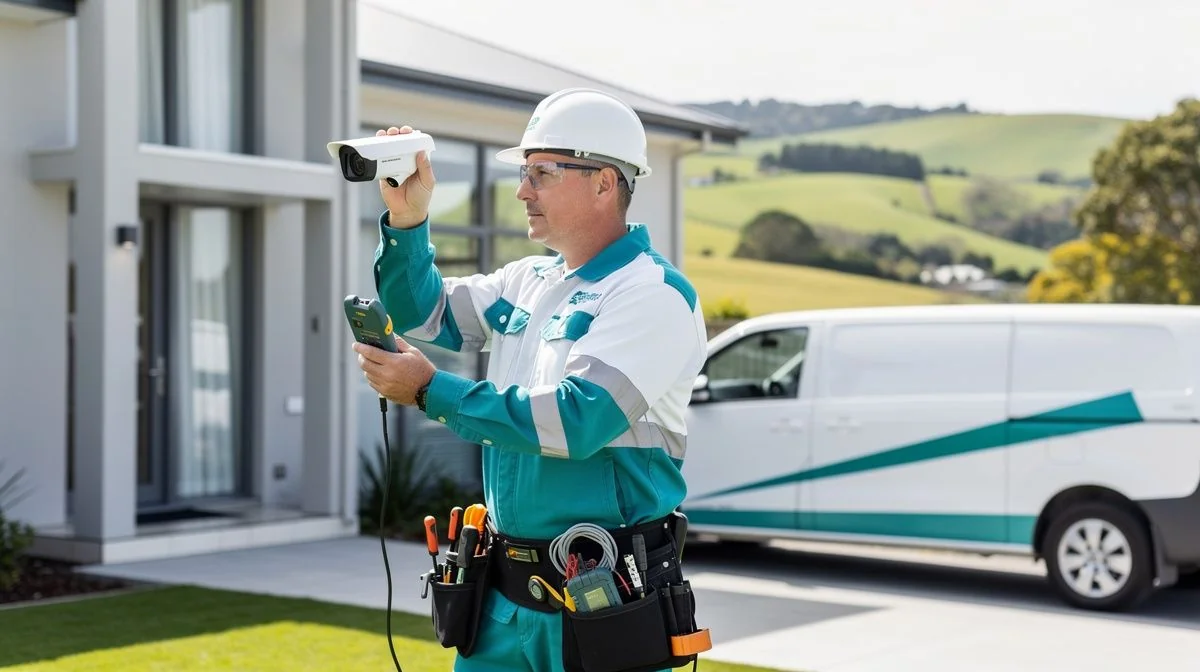
Keeping your home safe in Dunedin means finding a security specialist who understands local conditions. From the historic villas of Roslyn to newer builds in Waverley, every property has unique security needs. The good news is that Dunedin has plenty of experienced professionals who can help protect what matters most.
Whether you need alarm systems, CCTV cameras, or smart locks, the right specialist makes all the difference. Here's what you need to know to choose wisely.
What to Look for When Hiring a Home Security Specialist in Dunedin
Not all security companies are created equal. When searching for the best home security specialists in Dunedin, keep these factors in mind:
- Local knowledge — Choose someone familiar with Dunedin's suburbs and common property types, from character homes to modern townhouses
- NZ-based support — Look for companies with local monitoring centres and after-hours service in Otago
- Product range — A good specialist offers options from basic alarms to integrated smart home systems
- Licensing and insurance — Check they hold the appropriate security licences required in New Zealand
- Warranty and service — Ask about installation warranties and ongoing maintenance plans
Key Questions to Ask Before Hiring
Asking the right questions helps you compare specialists fairly. Here's what to put to any prospective security provider:
- What security systems do you recommend for homes in Dunedin's climate (think damp, coastal conditions)?
- Do you offer wireless or hardwired options, and what's best for my property?
- Can your system be monitored from a smartphone while I'm away?
- What happens if the power goes out or the internet drops?
- Do you provide a written quote with no hidden fees?
- How long have you been operating in the Dunedin area?
Tips for Getting the Best Results
Making your home security system work hard for you takes a bit of planning. Follow these tips to get the most from your investment:
- Start with a site assessment — A professional should walk through your home and identify weak points before recommending anything
- Think about your daily habits — Do you need keyless entry for tradies or remote access for holiday rentals?
- Don't overlook outdoor security — Good lighting and visible cameras often deter trouble before it starts
- Ask about integration — Many modern systems work with smart lights, doorbells, and sensors for a complete setup
- Test everything before the installer leaves — Make sure you understand how to arm, disarm, and troubleshoot your system
A Note About Costs and Getting Quotes
Home security costs in Dunedin vary depending on your property size and the system complexity. A basic alarm installation might start around a few hundred dollars, while full CCTV and smart home setups run into the thousands. Monthly monitoring fees also add up over time.
The best approach is to get at least three quotes from different specialists. This lets you compare equipment quality, installation methods, and ongoing costs. Be wary of anyone who pressures you into a decision on the spot — a reputable specialist will give you time to think it over.
Check with your local council for current requirements around alarm permits or noise bylaws. Some Dunedin properties may also need consent for certain installations, particularly in heritage areas.
Remember, the cheapest option isn't always the best value. Focus on finding a security specialist who offers reliable equipment, solid support, and a system that genuinely suits your Dunedin home.

The ValueHub Team built this site because finding clear, unbiased financial information in New Zealand was harder than it should be. Every guide is based on real research — we compare the actual fees, terms, and fine print so you don't have to. Our tip: shop around every year, read the policy docs, and never assume loyalty gets you the best deal.— The ValueHub Team
Try our Calculators
Use these free tools to crunch the numbers:
PAYE Calculator
Calculate your take-home pay after PAYE tax, ACC, KiwiSaver, and student loan deductions.
Compound Interest Calculator
See how your savings grow with compound interest over time. Free NZ compound interest calculator with yearly, monthly, and weekly compounding options.
Mortgage Repayment Calculator
Calculate your weekly, fortnightly, or monthly mortgage repayments. Free NZ mortgage calculator — try different rates, terms, and repayment frequencies.
Term Deposit Calculator
Calculate your term deposit returns before you lock in. Compare interest earned across different terms and rates with ValueHub's free calculator.
Savings Goal Calculator
Calculate how long it will take to reach your savings goal — and what monthly deposit you need to get there. Free NZ savings planner.
Credit Card Repayment Calculator
See how long it really takes to pay off your credit card — and how much interest you could save by paying more each month. Free NZ calculator.
Home Security Specialists in Other Cities
Best Home Security Specialists in Auckland
Best Home Security Specialists in Wellington
Best Home Security Specialists in Christchurch
Best Home Security Specialists in Hamilton
Best Home Security Specialists in Tauranga
Best Home Security Specialists in Lower Hutt
Latest Guides & Reviews
US Dollar to NZD: A Practical Guide for Kiwis
Compare the true cost of buying USD in NZ. We reveal the fees, margins, and hidden charges banks, Wise, and airport desks add to every US dollar transfer.
reviewUnderstanding NZ Council Rates
Follow a single rates dollar from your bank account to see where it really goes and how councils set your bill.
comparisonBest Gold and Platinum Credit Cards in New Zealand
Best gold and platinum credit cards in NZ compared: when a $150 annual fee pays for itself through travel insurance and perks.
guideBest Investment Managers in New Zealand
Compare Fisher Funds, Milford, and Pie Funds in this practical guide to vetting NZ investment managers before you trust them with your money.