Best Painters in Gisborne
Published 24 March 2025 · Updated 18 August 2026
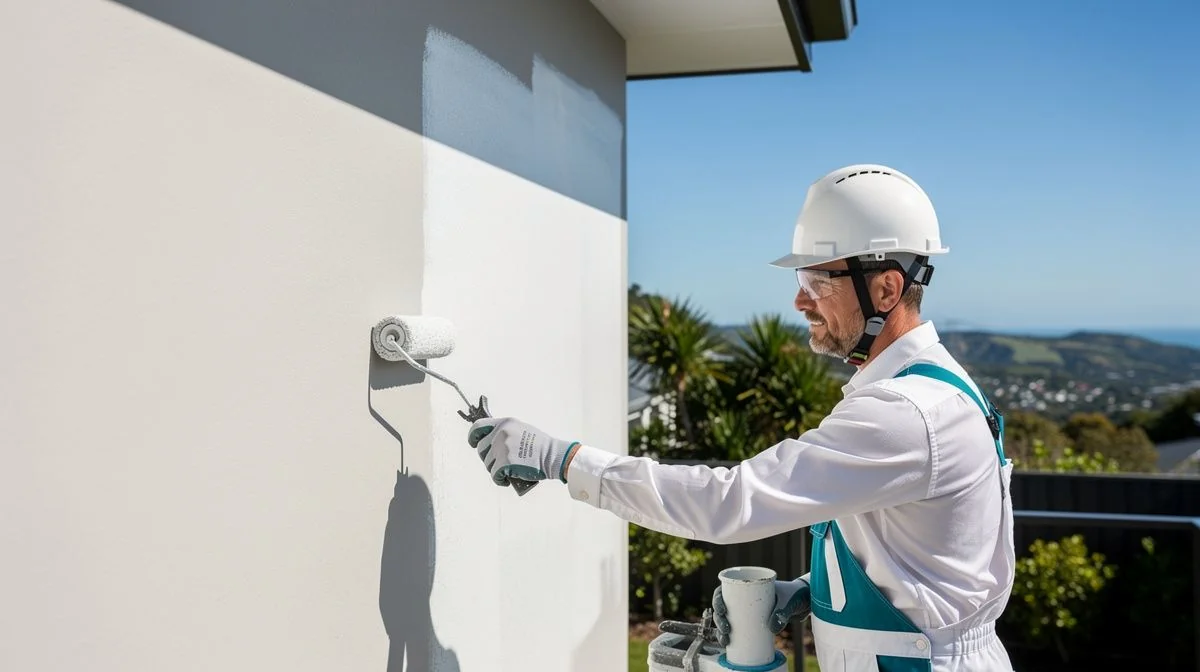
Best Painters in Gisborne
Finding a reliable painter in Gisborne doesn't have to be a headache. Whether you're freshening up a single room, repainting your beachside bach, or giving your whole house a new look, the right painter can make all the difference. Gisborne's climate — with plenty of sunshine, humidity from the coast, and occasional cyclones — means your paintwork needs to handle a bit of everything. That's why choosing someone who knows local conditions matters.
This guide walks you through what to look for, what to ask, and how to get a result that lasts. We're not here to name names or list specific businesses; instead, we'll help you know exactly what to check when you're comparing options.
What to look for when hiring a Painter in Gisborne
Every painter can say they do a good job, but not all of them will suit your specific project. Here's what to keep an eye on when you're shortlisting.
Local experience
A painter who's worked on homes around Gisborne will know how to deal with coastal humidity, high UV levels, and the occasional heavy rain. They'll also understand which paint brands and finishes hold up best in this part of the country. Ask how many years they've been operating locally — it's a solid sign of reliability.
Insurance and licensing
Professional painters in New Zealand should hold current public liability insurance, and ideally, have a Contractor's Licence from the Building Practitioners Board if they're doing work worth over $30,000 (including GST). Even for smaller jobs, insurance protects you if something gets damaged. Ask for proof before any work starts.
Written quotes and contracts
Never rely on a handshake or a text message estimate. A proper quote breaks down the scope of work, materials, paint brand and colour, number of coats, and the timeline. Contracts should outline payment terms and what happens if extra work is needed.
References and reviews
Ask for recent references — ideally from homes in your area or with similar surface types (weatherboard, plaster, brick, etc.). Online reviews can help, but take them with a pinch of salt. A painter with a consistent pattern of good feedback over several years is usually a safe bet.
Preparation work
Good painting is all about preparation. A responsible painter will explain how they'll clean, sand, fill cracks, and prime surfaces before they even open a paint tin. If they skip straight to talking about colour, that's a red flag.
Key questions to ask before hiring
Once you've got a few names, it's time to ask the right questions. Here's a list you can take straight to your phone call or in-person meeting.
- How long have you been painting in Gisborne? — Local knowledge counts as much as technical skill.
- Can you provide a list of recent clients I can contact? — A reputable painter will happily share references.
- What paint brands do you recommend and why? — Listen for brands known for durability in coastal climates, like Resene, Dulux, or Taubmans.
- How many coats will you apply? — Two coats of topcoat is standard, but sometimes more is needed for darker colours or porous surfaces.
- Will you move furniture or protect my gardens? — Clear expectations on who does what can avoid arguments later.
- What's your payment schedule? — Avoid paying the full amount upfront. Deposits of 10–20% are common, with progress payments tied to milestones.
- Do you guarantee your work? — Many painters offer a 1–3 year warranty on workmanship. Get it in writing.
Tips for getting the best results
You've chosen your painter — now it's time to set yourself up for a smooth job. A little preparation on your side goes a long way.
Choose the right season
Gisborne's weather is mostly fine, but try to schedule painting during the drier months — typically September through April. Rain can delay exterior work, and even interior painting can be affected if humidity is high. Talk to your painter about the best timing for your specific house.
Prepare the space yourself
Clear rooms of furniture, take down curtains and blinds, and remove picture hooks. If you're doing exterior work, trim back plants and move outdoor furniture. The less mess the painter has to work around, the faster and cheaper the job will be.
Communicate clearly about colour and finish
Don't just rely on a paint chip. Buy a small sample pot and test it on a wall in different light conditions — morning, midday, and afternoon. Gisborne gets strong sunlight, so colours can look very different than they do in the shop. Also decide on sheen: flat or matt for low-traffic areas, satin or semi-gloss for kitchens and bathrooms where you'll need to wipe down surfaces.
Ask for a detailed timeline
A professional should give you a realistic schedule, including drying time between coats. Exterior painting might take longer if the weather forecast looks iffy. Knowing the timeline helps you plan around it.
Inspect before you pay the final instalment
Before handing over the last payment, walk through the finished job with the painter. Check edges, corners, and cut-in work around windows and doors. Look for drips, missed spots, or uneven coverage. A good painter expects this and will happily touch up anything you're not happy with.
A note about costs and getting quotes
Painting costs in Gisborne vary widely depending on the size of the job, the condition of the surfaces, and the paint quality you choose. It's impossible to give a single price without seeing the property — but here's what to expect from the quoting process.
- Get at least three quotes from different painters. This gives you a sense of the market rate and helps you spot anyone who's unusually cheap (which usually means corners will be cut) or very expensive (which doesn't guarantee better work).
- Make sure all quotes are for the same scope. If one painter says they'll prime every room and another says they'll only spot-prime, the prices aren't comparable. Ask for a written breakdown of what's included.
- Be wary of "too good to be true" quotes. Low prices often mean no insurance, poor-quality paint, or rushed preparation. In Gisborne's climate, that's a recipe for peeling paint within a year.
- Ask about GST — quotes should show whether GST is included or excluded. The final price you pay should be clear upfront.
- Remember that good paint costs more for a reason. A premium paint system can last 10–15 years on a well-prepared surface. Cheaper paint might need repainting in 3–5 years, which works out more expensive in the long run.
Most painters in Gisborne will come out to give a free, no-obligation quote. Use that visit to get a feel for their professionalism. Do they turn up on time? Do they listen to your ideas? Do they point out potential issues you hadn't noticed? That first meeting often tells you everything you need to know.
Once you've compared a few quotes and asked the questions above, you'll be well placed to choose a painter who can handle Gisborne's unique conditions and deliver a finish that lasts. A bit of time spent vetting upfront is worth every minute when your new paint still looks fresh years down the track.

The ValueHub Team built this site because finding clear, unbiased financial information in New Zealand was harder than it should be. Every guide is based on real research — we compare the actual fees, terms, and fine print so you don't have to. Our tip: shop around every year, read the policy docs, and never assume loyalty gets you the best deal.— The ValueHub Team
Try our Calculators
Use these free tools to crunch the numbers:
KiwiSaver Fund Comparison
Compare fees, returns, and risk levels across every KiwiSaver fund from all 31 NZ providers.
Currency Converter — USD to NZD
Convert US Dollars to New Zealand Dollars instantly. See the latest exchange rate and 30-day trend.
Mortgage Repayment Calculator
Calculate your weekly, fortnightly, or monthly mortgage repayments. Free NZ mortgage calculator — try different rates, terms, and repayment frequencies.
Compound Interest Calculator
See how your savings grow with compound interest over time. Free NZ compound interest calculator with yearly, monthly, and weekly compounding options.
Term Deposit Calculator
Calculate your term deposit returns before you lock in. Compare interest earned across different terms and rates with ValueHub's free calculator.
Savings Goal Calculator
Calculate how long it will take to reach your savings goal — and what monthly deposit you need to get there. Free NZ savings planner.
Painters in Other Cities
Latest Guides & Reviews
New Zealand Financial Markets Authority Guide: Investor Protection in NZ
Protect your investments with this practical guide to the FMA — how to check licences, spot scams, and what to do if a provider fails. Verified against...
comparisonEV Home Charger NZ: Costs & Buying Guide
Compare EV home charger costs in NZ — verified prices from $1,299, installation fees, smart features, and what actually matters for your home's power supply.
guideThe Most Popular EVs in New Zealand
The best-selling electric cars in New Zealand, ranked by official registration data. Top BEV and PHEV models and brands, updated monthly.
guideEV Market Stats
New Zealand's EV market in numbers — market share, fleet size, top-selling models and used imports, updated with the latest NZTA and MIA data.