Best Painters in Kapiti
Published 24 March 2025 · Updated 18 August 2026
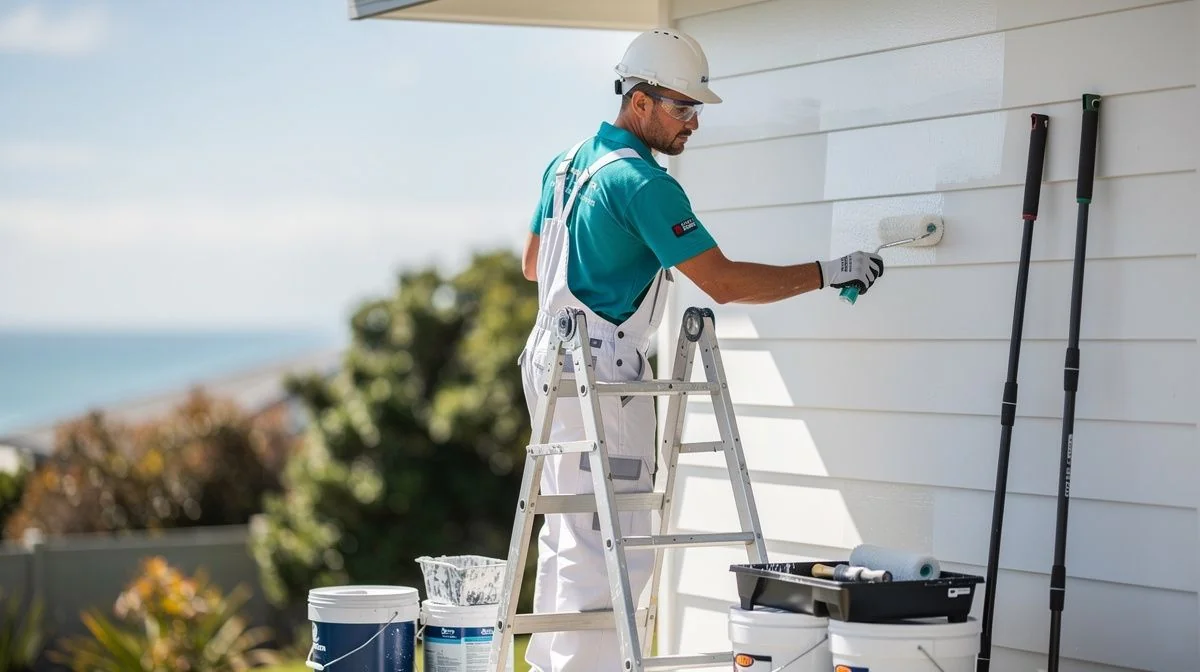
Finding a reliable painter in Kapiti can feel like a bit of a gamble if you don't know what to look for. Whether your beachside bach in Raumati needs a fresh coat, or your family home in Paraparaumu is due for an exterior spruce-up, the right painter makes all the difference. The Kapiti Coast has its own set of quirks – strong coastal winds, salt-laden air, and a mix of older villas and modern builds – so you need someone who understands local conditions.
This guide walks you through what to check when hiring, the questions you should ask, and practical tips to ensure your paint job lasts. No fluff, just helpful advice for Kapiti homeowners.
What to look for when hiring a Painter in Kapiti
Not every painter is the same. On the Kapiti Coast, the environment puts extra stress on paintwork, so experience with coastal homes is a real bonus. Here’s what to keep an eye out for:
- Local experience – Ask how many jobs they’ve done in Kapiti. Painters who know the area will be familiar with common issues like salt-blast on weatherboards or peeling paint on north-facing walls.
- References and testimonials – A good painter is happy to share recent customer contacts, especially for similar work (exterior, interior, or both). Check online reviews on local Facebook groups too – Kapiti communities are pretty vocal about good tradespeople.
- Insurance and health and safety – Public liability insurance is a must. For exterior work on two-storey homes, make sure they have a health and safety plan for working at height. You don’t want to be liable if an accident happens on your property.
- Written quotes and contracts – Avoid handshake-only deals. A detailed written quote protects both of you. It should list surface preparation, number of coats, paint brands and colours, timelines, and payment schedule.
- Membership in professional associations – While not compulsory, membership in Master Painters New Zealand or the New Zealand Painting Contractors Association can be a sign of professionalism and access to dispute resolution if needed.
- Guarantee or warranty on workmanship – Many reputable painters offer a one- to two-year warranty on their work. Ask what’s covered – for example, peeling or blistering due to poor preparation.
Take your time checking these points. A rushed hire often leads to disappointment – and repainting costs more than doing it right the first time.
Key questions to ask before hiring
Asking the right questions helps you separate serious painters from those who might cut corners. Put these on your list before you pick up the phone:
- How long have you been painting in the Kapiti area? – Local knowledge matters. A painter who’s worked in Paraparaumu, Waikanae, and Otaki will know which primers hold up against the nor’wester and what paint systems suit older rimu window frames.
- What preparation work do you include? – Prep is the key to a lasting finish. Expect sanding, filling cracks, washing mould off eaves, and priming bare timber. If the quote is vague on prep, ask for more detail.
- Will you use scaffolding, ladders, or a cherry picker? – For exterior work, proper scaffolding is safer and often leads to a better finish than over-reaching from a ladder. Ask who covers the cost of hire and set-up.
- What paint brands and products do you recommend? – Resene, Dulux, and Wattyl are all common quality brands. But the right product depends on the surface – a matt finish for interior walls versus a high-UV-resistant gloss for weatherboards. A good painter explains their choices.
- Can you provide a timeline and a schedule of when you’ll be on site? – Painting can take a week or more. Ask about weather delays (common on the coast) and how they communicate changes. A reliable painter keeps you updated.
- What’s your payment schedule? – Avoid paying the full amount upfront. A typical arrangement is a deposit (20-30%) at the start, progress payments, and the balance on completion when you’re satisfied.
- Do you have a workmanship guarantee? – This covers defects like peeling or poor coverage within a set period. Ask for it in writing.
Don’t feel shy about asking these. A professional painter expects them and will answer clearly. If they’re vague or dismissive, consider it a red flag.
Tips for getting the best results
Once you’ve hired someone, a few simple steps can help you get the finish you want – and make the process smoother for everyone.
- Prepare the site yourself if you can – Move furniture away from walls, take down curtains, and clear outdoor areas near the house. This saves the painter time and reduces your bill. Just don’t start scraping or sanding yourself unless you’ve agreed on a DIY prep discount.
- Choose your colours before they start – Nothing slows a job like colour indecision. Pop into a Resene or Dulux colour shop in Paraparaumu or Waikanae and get test pots. Paint large swatches on your walls and look at them at different times of day. Natural light in Kapiti can be quite bright, so what looks soft in a shop can look stark on a big wall.
- Talk about the finish you want – Low-sheen, eggshell, semi-gloss? Each has different durability and washability. For rental properties, a low-sheen or satin finish is easier to clean

The ValueHub Team built this site because finding clear, unbiased financial information in New Zealand was harder than it should be. Every guide is based on real research — we compare the actual fees, terms, and fine print so you don't have to. Our tip: shop around every year, read the policy docs, and never assume loyalty gets you the best deal.— The ValueHub Team
Try our Calculators
Use these free tools to crunch the numbers:
KiwiSaver Fund Comparison
Compare fees, returns, and risk levels across every KiwiSaver fund from all 31 NZ providers.
Currency Converter — USD to NZD
Convert US Dollars to New Zealand Dollars instantly. See the latest exchange rate and 30-day trend.
Mortgage Repayment Calculator
Calculate your weekly, fortnightly, or monthly mortgage repayments. Free NZ mortgage calculator — try different rates, terms, and repayment frequencies.
Compound Interest Calculator
See how your savings grow with compound interest over time. Free NZ compound interest calculator with yearly, monthly, and weekly compounding options.
Term Deposit Calculator
Calculate your term deposit returns before you lock in. Compare interest earned across different terms and rates with ValueHub's free calculator.
Savings Goal Calculator
Calculate how long it will take to reach your savings goal — and what monthly deposit you need to get there. Free NZ savings planner.
Painters in Other Cities
Latest Guides & Reviews
New Zealand Financial Markets Authority Guide: Investor Protection in NZ
Protect your investments with this practical guide to the FMA — how to check licences, spot scams, and what to do if a provider fails. Verified against...
comparisonEV Home Charger NZ: Costs & Buying Guide
Compare EV home charger costs in NZ — verified prices from $1,299, installation fees, smart features, and what actually matters for your home's power supply.
guideThe Most Popular EVs in New Zealand
The best-selling electric cars in New Zealand, ranked by official registration data. Top BEV and PHEV models and brands, updated monthly.
guideEV Market Stats
New Zealand's EV market in numbers — market share, fleet size, top-selling models and used imports, updated with the latest NZTA and MIA data.