Best Roofers in West Coast
Published 03 April 2025 · Updated 18 August 2026
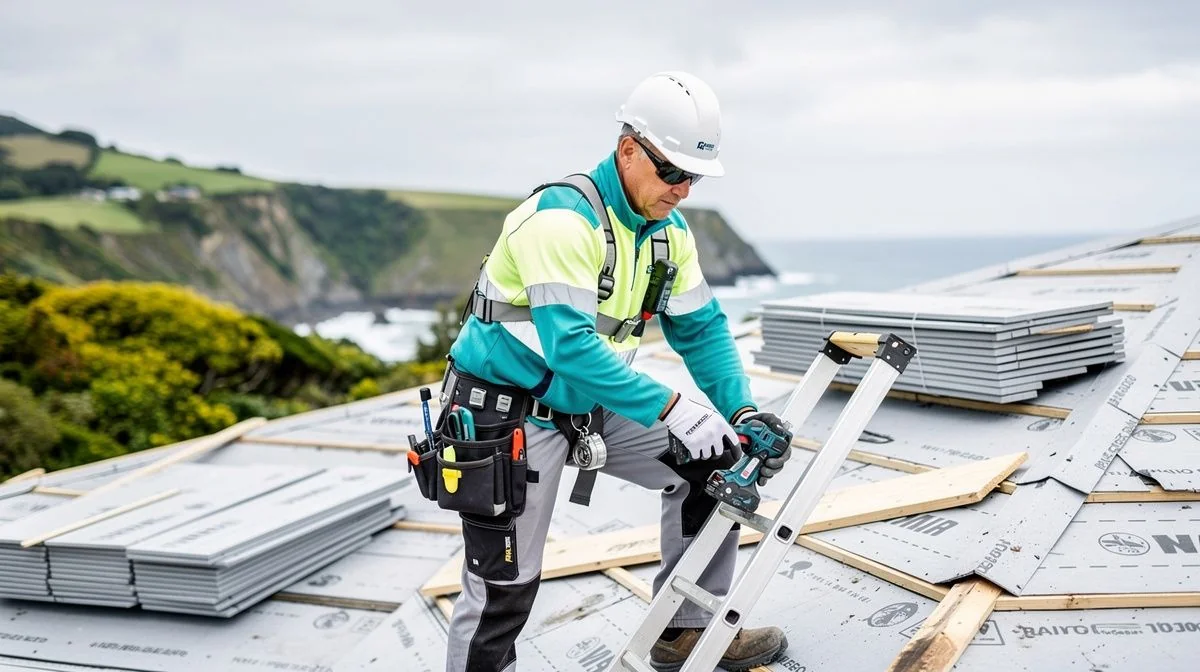
Finding Roofers in West Coast
If you live on the West Coast of the South Island, you’ll know the weather doesn’t mess around. Heavy rain, strong winds, and salt-laden air can take a real toll on a roof. Whether you need a repair, a full replacement, or a new roof for a build, finding a reliable roofer who understands local conditions is half the battle.
The West Coast has a mix of older homes, new builds, and baches, each with its own roofing needs. Metal roofs are common here because they stand up to the weather, but tiles and more modern materials also have their place. The key is to choose a roofer who has experience working in this specific environment — not just someone who does a generic job.
This guide will help you find a trustworthy roofer on the Coast, ask the right questions, and avoid common headaches. Because when the next storm rolls in, you want your roof to be solid.
What to Look for When Hiring a Roofer in West Coast
Choosing a roofer isn’t something you do every day, so it pays to know what separates the good from the great. Here’s what to keep an eye on:
Local experience and knowledge
A roofer who has worked extensively on the West Coast will know how to handle the regional weather patterns. They’ll be familiar with the wind loads, rainfall intensity, and the effect of coastal salt on different materials. Ask how long they’ve been operating in your area — a few years of local work is a good sign.
Licensing and qualifications
Roofing work often requires a Licensed Building Practitioner (LBP) if it involves structural changes or critical construction. For repairs and minor maintenance, a qualified tradesperson with relevant trade certification (such as a certificate in roofing or a related trade) should be fine. Always ask about their qualifications and check with your local council about what’s needed for your specific job.
Most reputable roofers will be members of industry bodies like the New Zealand Roofing Industry Association or the Master Roofers Association. Membership shows they’re serious about standards and ongoing training.
Insurance and health & safety
Roofing is a high-risk trade. Make sure your roofer has current public liability insurance and, ideally, ACC cover for their workers. Ask to see their health and safety plan — a professional roofer will have one and will be happy to talk you through it. This matters because if something goes wrong on your property, you don’t want to be left holding the bill.
References and previous work
A good roofer will happily provide references from recent West Coast jobs. Ask for at least two or three contacts. Better still, ask if you can see a completed roof nearby. Look for clean lines, consistent flashings, and proper sealing around chimneys, vents, and skylights. If a roofer hesitates or makes excuses, take it as a red flag.
Written quotes and contracts
A reputable roofer will give you a detailed written quote that breaks down materials, labour, and any extras. The contract should include start and finish dates, payment terms, and a description of what’s included. Beware of anyone who asks for a large deposit upfront — 10% to 20% is standard, and never pay the full amount before the job is complete.
Key Questions to Ask Before Hiring
Asking the right questions can save you a lot of trouble later. Here’s a list to run through when you’re talking to potential roofers:
- How long have you been roofing in the West Coast region? – Local experience matters more than you think.
- Can you provide references from recent jobs nearby? – Follow up and actually call them.
- What qualifications or certifications do you hold? – Look for an LBP (if applicable) or relevant trade certificate.
- Are you insured? Can I see your public liability certificate? – Don’t skip this.
- Do you use subcontractors? – If yes, who will supervise them? What insurance do they have?
- What’s the estimated timeline, and what happens if it runs over? – Weather delays are common on the Coast, but you still want a clear plan.
- Will you handle council consent if it’s needed? – Some jobs require a building consent; find out who takes care of it.
- What’s your payment schedule? – Avoid paying more than a small deposit upfront. Milestone payments are normal.
- What warranty do you offer on materials and workmanship? – A typical warranty is 5–10 years on workmanship, plus manufacturer warranties on materials.
- How do you handle messy bits — like gutters, rubbish, and nails on site? – A professional roofer will clean up properly.
Take notes during the conversation. If a roofer is vague or avoids answering, that’s a sign to move on.
Tips for Getting the Best Results
Once you’ve chosen a roofer, here’s how to make sure the job goes smoothly and you get a roof that lasts:
Plan around the weather
The West Coast can have long rainy spells. Ideally, schedule roofing work during the drier months (spring through early autumn). If you do need work in winter, discuss contingency plans — your roofer should have tarpaulins and waterproofing ready for sudden downpours.
Communicate clearly
Before work starts, talk through exactly what you expect. Discuss access to the roof, where materials will be stored, and how rubbish will be managed. Also agree on how you’ll communicate — some roofers prefer text updates, others a quick call. A clear line from the start prevents misunderstandings.
Check progress regularly
While you don’t need to hover, it pays to take a look at the end of each day. Check that the team is following the agreed method, especially around flashings, valleys, and penetrations. If something doesn’t look right, ask about it straight away. Most issues are easy to fix on the spot.
Keep your property safe
Roof work can be noisy and messy. Move any vehicles or fragile items away from the work area. Let your neighbours know there will be activity — a heads-up can avoid friction. Also, ask the roofer to set up safety barriers or warning signs if there’s risk of falling debris.
Don’t rush the finishing touches
A good roofer will finish with clean gutters, proper flashing, and a tidy site. Don’t sign off until you’re satisfied with the final look. Check inside the roof cavity (if accessible) for any signs of leakage or debris. Take photos of the completed work for your records.
A Note

The ValueHub Team built this site because finding clear, unbiased financial information in New Zealand was harder than it should be. Every guide is based on real research — we compare the actual fees, terms, and fine print so you don't have to. Our tip: shop around every year, read the policy docs, and never assume loyalty gets you the best deal.— The ValueHub Team
Try our Calculators
Use these free tools to crunch the numbers:
KiwiSaver Fund Comparison
Compare fees, returns, and risk levels across every KiwiSaver fund from all 31 NZ providers.
Currency Converter — USD to NZD
Convert US Dollars to New Zealand Dollars instantly. See the latest exchange rate and 30-day trend.
Mortgage Repayment Calculator
Calculate your weekly, fortnightly, or monthly mortgage repayments. Free NZ mortgage calculator — try different rates, terms, and repayment frequencies.
Compound Interest Calculator
See how your savings grow with compound interest over time. Free NZ compound interest calculator with yearly, monthly, and weekly compounding options.
Term Deposit Calculator
Calculate your term deposit returns before you lock in. Compare interest earned across different terms and rates with ValueHub's free calculator.
Savings Goal Calculator
Calculate how long it will take to reach your savings goal — and what monthly deposit you need to get there. Free NZ savings planner.
Roofers in Other Cities
Latest Guides & Reviews
New Zealand Financial Markets Authority Guide: Investor Protection in NZ
Protect your investments with this practical guide to the FMA — how to check licences, spot scams, and what to do if a provider fails. Verified against...
comparisonEV Home Charger NZ: Costs & Buying Guide
Compare EV home charger costs in NZ — verified prices from $1,299, installation fees, smart features, and what actually matters for your home's power supply.
guideThe Most Popular EVs in New Zealand
The best-selling electric cars in New Zealand, ranked by official registration data. Top BEV and PHEV models and brands, updated monthly.
guideEV Market Stats
New Zealand's EV market in numbers — market share, fleet size, top-selling models and used imports, updated with the latest NZTA and MIA data.