Best Solar Panel Installers in West Coast
Published 10 April 2025 · Updated 18 August 2026
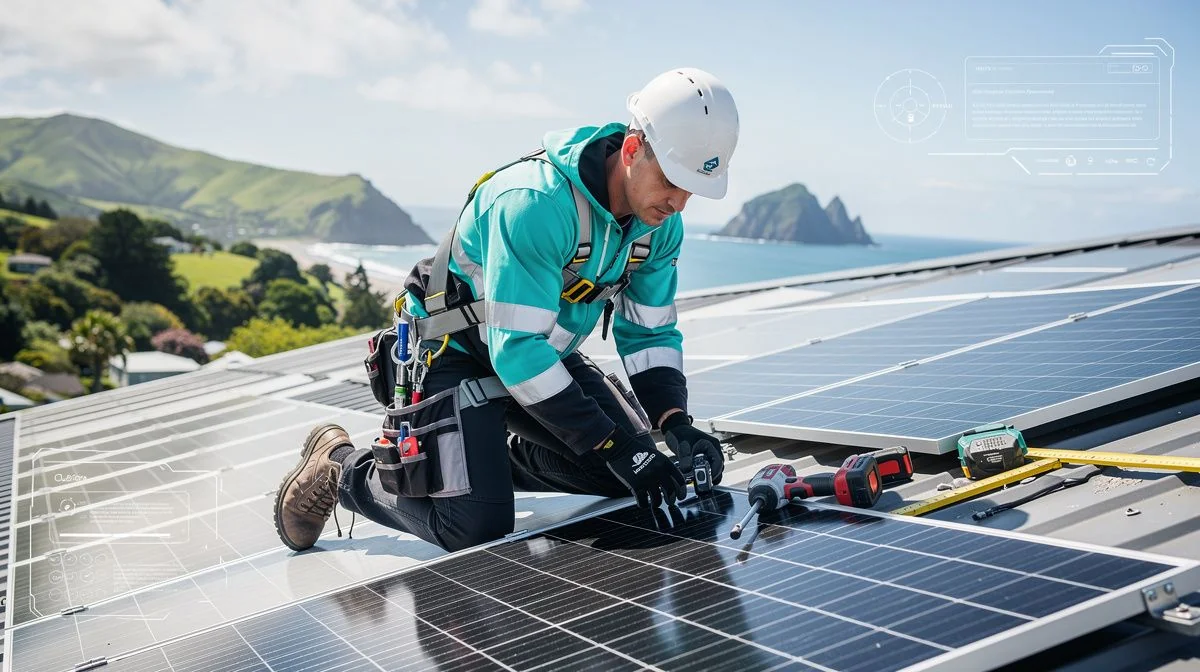
If you're on the West Coast, you know the sun can be a bit of a rare visitor. But don't let the cloud cover fool you – modern solar panels are surprisingly effective even in less-than-perfect conditions. More homes and businesses across the region are making the switch, driven by rising power prices and a desire for energy independence.
Finding the right installer, however, can feel like a challenge when you're living in a more remote part of New Zealand. You need someone local who understands West Coast weather, knows your council's rules, and can handle the logistics of getting gear to your place. We've put together this guide to help you choose wisely.
What to look for when hiring a Solar Panel Installer in West Coast
Not every solar company is set up for the West Coast. Here's what you should be checking before you sign anything.
Proper licensing and accreditation
Any installer doing electrical work must hold a current New Zealand electrical license (practising license). For solar specifically, look for members of the Solar Energy Society of Aotearoa New Zealand (SESA) or installers certified under the NZSEP (New Zealand Solar Electrical Programme). Accreditation shows they've had proper training and follow industry best practices.
Local experience
An installer who's worked on the West Coast will know the challenges: high rainfall, strong winds, and tricky roof angles. They'll also be familiar with your local council's building consent requirements – some areas may have specific rules for roof-mounted systems. Ask how many installations they've done in your region.
Warranty coverage
Solar panels should come with a manufacturer's warranty (typically 25 years performance, 10–12 years product). The installer should also offer a workmanship warranty – usually around 5 to 10 years. Make sure you understand what's covered if a panel fails or an inverter packs up after a few years.
After-sales support
When you're on the West Coast, having an installer who's only a phone call away matters. Ask what happens if your system stops working. Will they come out to your place for repairs? How quickly? A good installer should offer ongoing monitoring support and be willing to help if issues arise.
Key questions to ask before hiring
Go into conversations with a shortlist of questions. This helps you compare apples with apples and spot the pros quickly.
- What brands of panels and inverters do you typically use? – Some brands perform better in low-light conditions. Ask why they recommend what they do.
- How long will the installation take, and will you handle all council consents? – Delays happen, but a professional will manage the paperwork for you.
- Do you provide a system performance guarantee? – Some installers guarantee a minimum annual energy output. That's a good sign.
- What happens if there's a fault in the first year – are call-out fees included? – Clarify this upfront. Unexpected charges can sting.
- Can you provide references from recent West Coast installations? – Talk to past customers if possible. They'll tell you the real story.
- How do you handle roof penetrations and weather sealing? – Leaks are a common worry. A good installer will have a solid flashing and sealant process.
Tips for getting the best results
Even the best installer can only work with what's on your property. Here's how to set yourself – and your system – up for success.
Check your roof condition first
Solar panels last 25+ years. If your roof is due for replacement soon, it's smarter to do that first. Otherwise you'll end up paying extra to remove and refit the panels later. Get a roofer to assess the roof structure and material, especially if you're on a corrugated iron or tile roof.
Think about orientation and shading
North-facing roofs are ideal, but east and west can also work well, especially in the West Coast's diffuse light. A good installer will run a shading analysis for you. Trim back any trees that are likely to cast shadows during the day – it makes a real difference to output.
Consider battery storage now or later
Many West Coast homes experience power cuts, especially in rugged areas. Adding a battery can give you backup power and let you store cheap daytime generation for evening use. Some installers offer systems that are "battery ready" so you can add one down the track without ripping everything out.
Get at least three written quotes
This is the golden rule for any home improvement job, and solar is no exception. Quotes let you compare equipment, prices, and warranties side by side. Don't just look at the total number – look at what's included. A slightly cheaper quote might skimp on quality components or shorter warranties.
Ask about monitoring
Most modern systems come with an app that shows your generation and consumption in real time. This helps you spot problems early and understand your savings. Make sure your installer sets this up and shows you how to use it.
A note about costs and getting quotes
Solar panel costs have come down in recent years, but the upfront investment is still significant. For a typical 3–5 kW residential system in New Zealand, you're looking at anything from around $8,000 to $15,000 before any subsidies or grants. On the West Coast, remote location and transport can add a little extra, though many installers factor that into their standard pricing.
Don't rely on a single quote. Each installer may propose different equipment or system sizes, making direct price comparisons tricky. That's where asking the right questions (above) helps. Also check if you're eligible for any local or government initiatives – occasionally there are low-interest loans or grants for solar installations, but these change

The ValueHub Team built this site because finding clear, unbiased financial information in New Zealand was harder than it should be. Every guide is based on real research — we compare the actual fees, terms, and fine print so you don't have to. Our tip: shop around every year, read the policy docs, and never assume loyalty gets you the best deal.— The ValueHub Team
Try our Calculators
Use these free tools to crunch the numbers:
KiwiSaver Fund Comparison
Compare fees, returns, and risk levels across every KiwiSaver fund from all 31 NZ providers.
Currency Converter — USD to NZD
Convert US Dollars to New Zealand Dollars instantly. See the latest exchange rate and 30-day trend.
Mortgage Repayment Calculator
Calculate your weekly, fortnightly, or monthly mortgage repayments. Free NZ mortgage calculator — try different rates, terms, and repayment frequencies.
Compound Interest Calculator
See how your savings grow with compound interest over time. Free NZ compound interest calculator with yearly, monthly, and weekly compounding options.
Term Deposit Calculator
Calculate your term deposit returns before you lock in. Compare interest earned across different terms and rates with ValueHub's free calculator.
Savings Goal Calculator
Calculate how long it will take to reach your savings goal — and what monthly deposit you need to get there. Free NZ savings planner.
Solar Panel Installers in Other Cities
Latest Guides & Reviews
New Zealand Financial Markets Authority Guide: Investor Protection in NZ
Protect your investments with this practical guide to the FMA — how to check licences, spot scams, and what to do if a provider fails. Verified against...
comparisonEV Home Charger NZ: Costs & Buying Guide
Compare EV home charger costs in NZ — verified prices from $1,299, installation fees, smart features, and what actually matters for your home's power supply.
guideThe Most Popular EVs in New Zealand
The best-selling electric cars in New Zealand, ranked by official registration data. Top BEV and PHEV models and brands, updated monthly.
guideEV Market Stats
New Zealand's EV market in numbers — market share, fleet size, top-selling models and used imports, updated with the latest NZTA and MIA data.