Best Solar Panel Installers in Whakatane
Published 14 April 2025 · Updated 18 August 2026
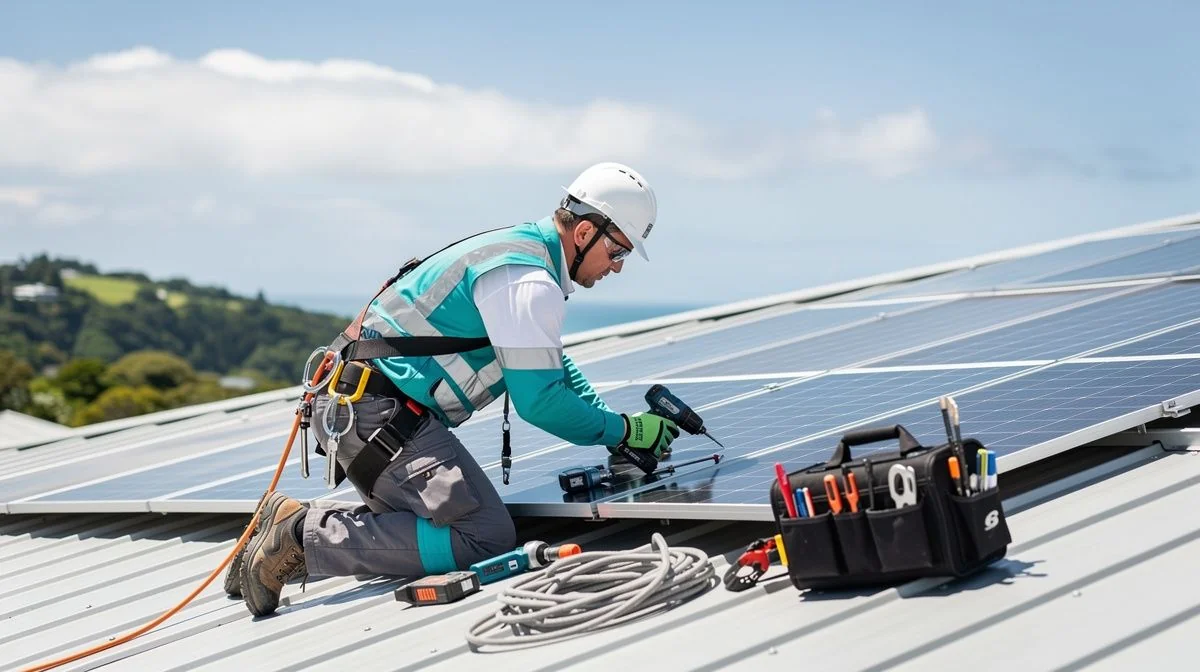
Finding Solar Panel Installers in Whakatane
Whakatane gets plenty of sunshine — around 2200 hours each year — so it’s no surprise more homeowners are looking into solar power. Whether you want to cut your power bills, reduce your carbon footprint, or add value to your property, choosing the right installer makes all the difference.
There are a handful of solar companies working in the Whakatane area, and a few others from Tauranga or Rotorua who travel here for jobs. The trick is finding someone who knows local conditions — like our coastal weather and council rules — and who will stand by their workmanship long after the panels are up.
This guide will walk you through what matters most when hiring a solar panel installer in Whakatane. We’ll cover the things to check, questions to ask, and practical tips to get the best results from your system.
What to Look for When Hiring a Solar Panel Installer in Whakatane
Not every installer is the same. Some specialise in residential systems, others do large commercial jobs. Some offer premium panels, others focus on budget-friendly options. Here’s what to focus on:
Proper Licensing and Certification
In New Zealand, any electrical work must be done by a licensed electrician. Solar installers should hold a current electrical worker registration with the Electrical Workers Registration Board (EWRB). Many reputable installers also carry Master Electrician certification or belong to the Sustainable Energy Association of New Zealand (SEANZ). Ask for their license number and verify it online before committing.
Local Experience and Reputation
Whakatane’s coastal environment means salt spray and strong winds can affect panel mounts and wiring. An installer who has done multiple jobs locally will understand these factors. Check Google reviews, ask on local Facebook community pages, or speak to neighbours who recently had solar installed. Word of mouth is powerful in a town like Whakatane.
Product Quality and Warranties
Solar panels typically have a 25-year performance warranty, while inverters often cover 5 to 10 years. Good installers offer a workmanship warranty of at least 5 years. Ask about the brands they use — Tier 1 manufacturers (like LG, Q Cells, or Trina) tend to be more reliable. If the price seems too good, check the warranty fine print.
After-Sales Support
What happens if your system stops working after a year? A good installer will respond promptly. Ask about their service agreements or call-out fees. Some offer remote monitoring and will alert you to issues before you even notice them. In Whakatane, the nearest approved service agents for some brands might be in Tauranga, so factor that in.
Tailored Design, Not One-Size-Fits-All
Your roof orientation, shading from trees or nearby buildings, and your household’s energy usage all matter. A proper installer should measure your roof, check for obstructions, and design a system that matches your consumption patterns. Avoid anyone who quotes a standard 6.6 kW system without visiting your property.
Key Questions to Ask Before Hiring
Don’t be shy — ask these questions when you’re comparing installers. Their answers will quickly separate the pros from the cowboys.
- Are you a licensed electrician? Ask for their EWRB registration number. Verification is free online.
- What brands do you use, and why? A detailed answer shows they’ve chosen products deliberately, not just because they got a cheap deal.
- What warranties come with the equipment and your workmanship? Get this in writing. Workmanship warranties vary from 1 to 10 years.
- How long have you been installing solar in the Bay of Plenty? Local experience matters for weather, council compliance, and network connection rules.
- Can you provide references from recent jobs in Whakatane or nearby? A few phone calls to past customers can be very revealing.
- Will you handle the council consent and network connection paperwork? Most solar installations need building consent and notification to Orion NZ or your local lines company. A good installer manages both.
- What’s the expected payback period based on my current power bill? Be wary of overly short payback claims — anything under 5 years might need scrutiny.
- Do you include monitoring software so I can track generation? Many systems come with an app, but not all installers set it up automatically.
Tips for Getting the Best Results
A solar system is a big investment — typically $8,000 to $15,000 for a 6.6 kW residential setup. Here’s how to make sure you get the most out of it.
Optimise Your Roof
North-facing roofs are ideal, but east and west can work too. Trim any overhanging branches that could cast shade. If your roof is old, consider replacing it before installing panels — it’s much simpler and cheaper than pulling panels off later.
Check Your Electricity Usage First
Look at your last 12 months of power bills. Identify when you use the most electricity. If you’re home during the day, solar pays back faster. If you’re out all day, a battery might be worth considering, but it adds significant cost. An installer should help you analyse this.
Get Multiple Quotes
Don’t settle for the first quote you receive. Aim for three written quotes from different companies. Compare not just the total price, but the components, warranties, and the fine print. The cheapest option isn’t always the best value.
Think About Future Needs
Are you planning to add an electric vehicle (EV) charger, a heat pump, or a spa pool? Solar panels sized for today’s usage might not cover tomorrow’s. It’s often cheaper to install a slightly larger system now than to add more panels later.
Understand Net Metering and Buy-Back Rates
Most New Zealand electricity retailers offer a feed-in tariff for excess power you send to the grid. Rates vary — from 7c to 15c per kWh. Whakatane is on the Orion NZ network, so check what buy-back rates your retailer offers. The installer can’t control this, but they can explain how it works.
Ask About the App and Monitoring
A good monitoring app lets you see real-time generation, consumption, and export. This helps you shift usage to sunny hours. Make sure the installer sets it up before they leave and shows you how to use it.
A Note About Costs and Getting Quotes
Solar pricing in New Zealand has become more competitive over the last few years, but it still varies a lot. A typical 6.6 kW system (around 16–18 panels plus a 5 kW inverter) costs between $8,000 and $12,000 installed, depending on the brand, roof type, and complexity. Adding a battery (like a Tesla Powerwall or LG Chem) can push the total beyond $20,000.
Government rebates and subsidies aren’t generally available for residential solar in New Zealand, though some councils offer low-interest loans for green improvements — check with Whakatane District Council. The biggest financial incentive is simply avoiding high electricity bills over 20+ years.
When you request quotes, be specific. Provide your address, roof photos, and a copy of your latest power bill. The more information you give upfront, the more accurate the quote will be. Avoid installers who refuse to visit your property or quote over the phone without seeing the roof.
Also note that prices can vary for the same system depending on the time of year. Some installers offer winter discounts when demand is lower. It’s worth asking — you might save a few hundred dollars by booking in June or July.
Finally, check that the quote includes all costs: panels, inverter, mounting hardware, labour, electrical work, consent fees, and network connection charges. Some quotes look cheap because they exclude the final steps. A comprehensive quote leaves

The ValueHub Team built this site because finding clear, unbiased financial information in New Zealand was harder than it should be. Every guide is based on real research — we compare the actual fees, terms, and fine print so you don't have to. Our tip: shop around every year, read the policy docs, and never assume loyalty gets you the best deal.— The ValueHub Team
Try our Calculators
Use these free tools to crunch the numbers:
KiwiSaver Fund Comparison
Compare fees, returns, and risk levels across every KiwiSaver fund from all 31 NZ providers.
Currency Converter — USD to NZD
Convert US Dollars to New Zealand Dollars instantly. See the latest exchange rate and 30-day trend.
Mortgage Repayment Calculator
Calculate your weekly, fortnightly, or monthly mortgage repayments. Free NZ mortgage calculator — try different rates, terms, and repayment frequencies.
Compound Interest Calculator
See how your savings grow with compound interest over time. Free NZ compound interest calculator with yearly, monthly, and weekly compounding options.
Term Deposit Calculator
Calculate your term deposit returns before you lock in. Compare interest earned across different terms and rates with ValueHub's free calculator.
Savings Goal Calculator
Calculate how long it will take to reach your savings goal — and what monthly deposit you need to get there. Free NZ savings planner.
Solar Panel Installers in Other Cities
Latest Guides & Reviews
New Zealand Financial Markets Authority Guide: Investor Protection in NZ
Protect your investments with this practical guide to the FMA — how to check licences, spot scams, and what to do if a provider fails. Verified against...
comparisonEV Home Charger NZ: Costs & Buying Guide
Compare EV home charger costs in NZ — verified prices from $1,299, installation fees, smart features, and what actually matters for your home's power supply.
guideThe Most Popular EVs in New Zealand
The best-selling electric cars in New Zealand, ranked by official registration data. Top BEV and PHEV models and brands, updated monthly.
guideEV Market Stats
New Zealand's EV market in numbers — market share, fleet size, top-selling models and used imports, updated with the latest NZTA and MIA data.